What Should I Do If My HVAC Is Leaking Water or Refrigerant in Colliers, WV?
January 9th, 2026
3 min read
By Alex Largent
Quick Answer
If your HVAC is leaking water or refrigerant, turn the system off and call a licensed HVAC professional.
Water leaks usually point to drainage or airflow issues, while refrigerant leaks indicate a sealed-system failure that should not be run.
Do not keep running the system or add refrigerant—both can cause major system damage.
Why HVAC Leaks Are a Serious Problem in Colliers Homes
Colliers homes face a different mix of risks than nearby towns, largely due to lot layout, home age, and utility routing.
Many houses here were built between the 1950s and 1980s, often with:
- Ranch or raised-ranch layouts
- Crawlspaces or partial basements
- HVAC systems added years after original construction
- Drain lines routed long distances to reach proper discharge points
In Colliers, HVAC leaks often start small and spread quietly.
We frequently find leaks that begin at the system but show up far away—along foundation walls, under flooring, or near exterior exits—making them easy to misdiagnose.
Water Leak vs. Refrigerant Leak: What’s the Difference?
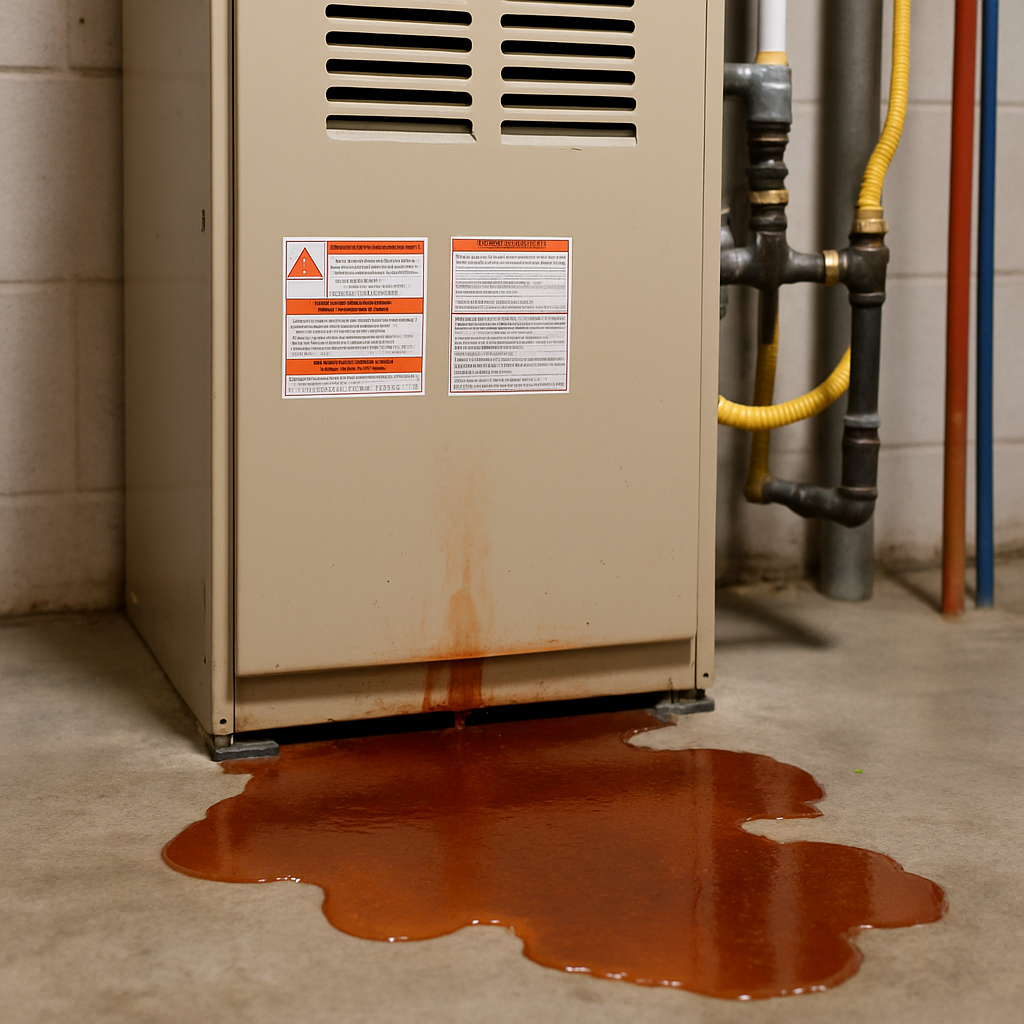
If Your HVAC Is Leaking Water
Water leaks commonly come from:
- A clogged or improperly sloped condensate drain
- A cracked or rusted drain pan
- A frozen evaporator coil that thawed
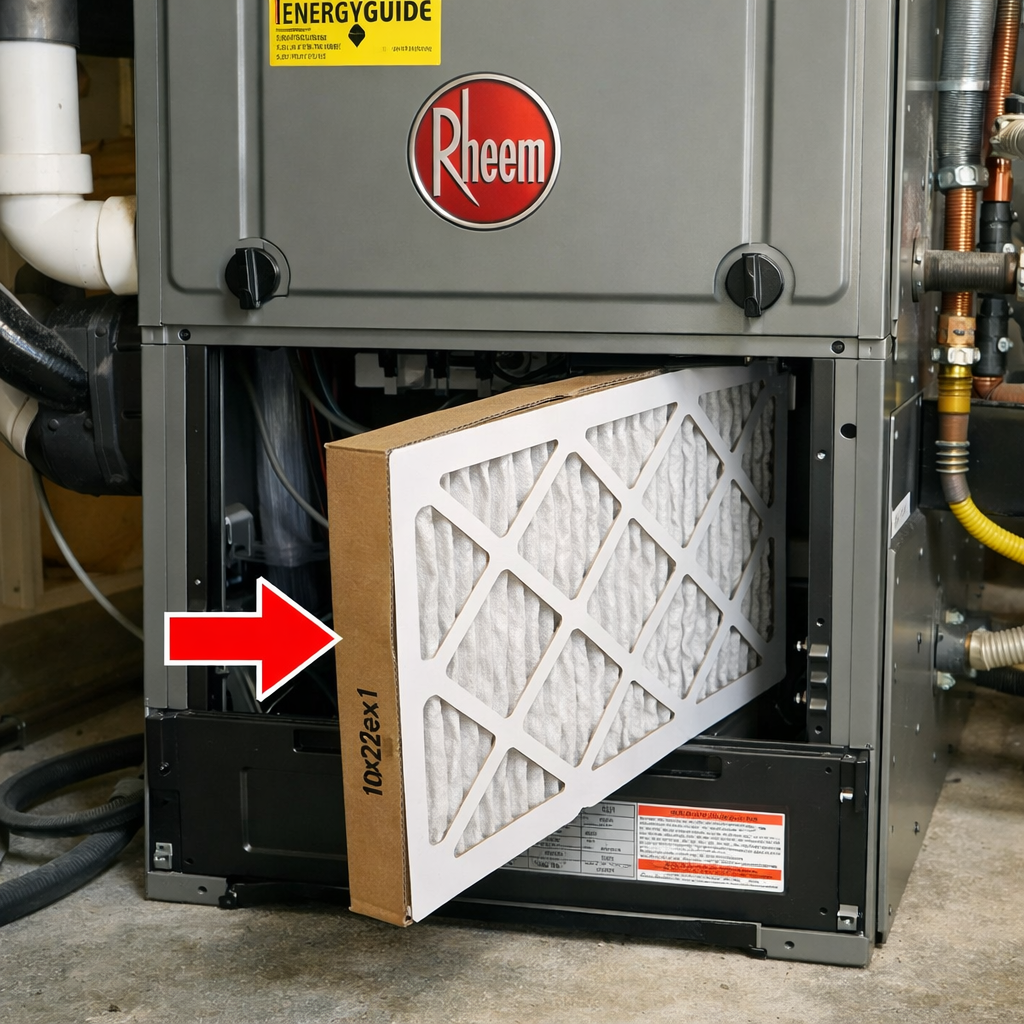
- Airflow restrictions caused by duct sizing or filter neglect
These problems are usually repairable when addressed early.
If ignored, water can damage crawlspace insulation, subflooring, and HVAC components.
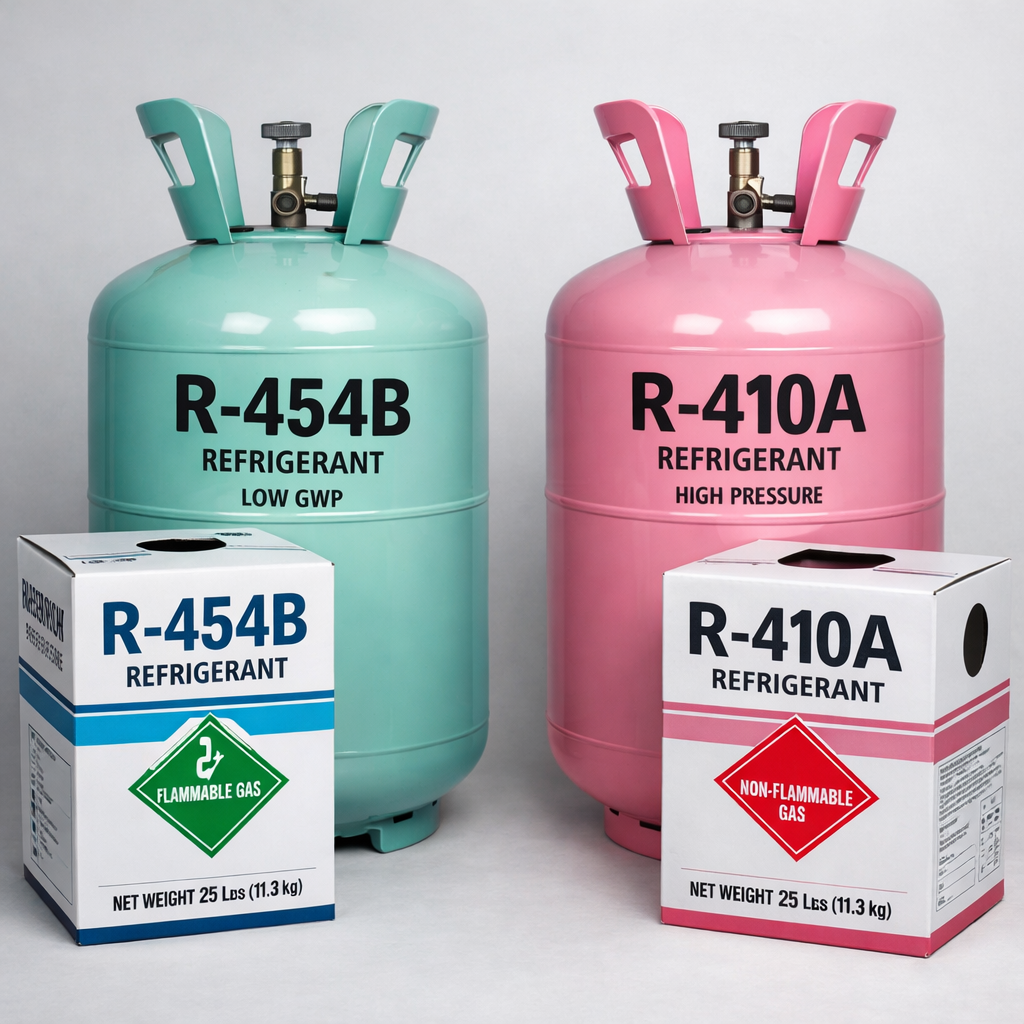
If Your HVAC Is Leaking Refrigerant
Refrigerant leaks are more serious.
- Refrigerant stays sealed inside the system
- It does not evaporate or burn off
- Any loss means there is a leak
Running the system with low refrigerant stresses the compressor and can quickly turn a repair into a replacement.
Refrigerant leaks must be handled by an EPA-certified HVAC technician.
Should I Turn Off My HVAC If It’s Leaking?
Yes—always turn the system off.
Continuing to operate a leaking system can:
- Saturate crawlspaces or lower framing
- Freeze evaporator coils
- Damage control boards and wiring
- Permanently harm the compressor
Shutting the system off limits damage and reduces repair costs.
What You Should Do Right Away
Step 1: Shut the System Off
Use the thermostat or service switch. Avoid letting it run “just to get through the day.”
Step 2: Check for Visible Water
Look around:
- The furnace or air handler
- Condensate drain connections
- Crawlspace access points or foundation walls
This helps confirm whether the issue is drainage-related or something more serious.
Step 3: Call a Licensed HVAC Company
Drainage routing and refrigerant repairs require training and proper tools. Temporary fixes usually fail.
A Real Colliers Example
We recently helped a homeowner off Eldersville Road in a 1960s ranch with a crawlspace and long condensate run.
They noticed damp insulation under the home but no visible water near the furnace. The issue turned out to be a condensate line with insufficient pitch, causing slow overflow that drained into the crawlspace instead of outside.
Unique Colliers cost driver: longer drain runs are common due to home layout, increasing the risk of slope problems and hidden leaks. Once the line was re-pitched and secured properly, the moisture issue stopped.
Cost: What Typically Affects Repair Pricing
HVAC leak repair costs vary based on cause, access, and system condition.
What Drives Cost Higher
- Refrigerant leaks in coils or line sets
- Compressor damage from extended low-charge operation
- Drain lines routed through crawlspaces or finished areas
- Older systems with limited refrigerant availability
What Keeps Cost Lower
- Early diagnosis
- Simple drain correction or clearing
- Minor pan or safety switch replacement
Some leaks are straightforward service repairs, while others signal replacement-level decisions.
Common Mistakes Colliers Homeowners Make
The most common mistake: assuming crawlspace moisture is unrelated to the HVAC system.
In Colliers, that assumption often leads to:
- Rotting subfloors
- Damaged insulation
- Corrosion on HVAC equipment
Another common mistake is adding refrigerant without repairing the leak, which increases long-term costs and shortens system life.
Neighborhood-Specific Issues That Cause HVAC Leaks
Local construction patterns matter:
- Crawlspaces: delayed leak detection
- Long drain runs: improper slope problems
- Older electrical systems: limit safety upgrades
- Retrofit ductwork: airflow restrictions freeze coils
Nearby Ohio Valley Cities With Similar HVAC Leak Issues
We also see similar problems in:
- New Cumberland, WV
- Wellsburg, WV
- Follansbee, WV
- Weirton, WV
- Steubenville, OH
- Wintersville, OH
- Toronto, OH
- Mingo Junction, OH
- Brilliant, OH
Each area has its own mix of home age, layout, and utility challenges.
Frequently Asked Questions About HVAC Leaks
Can I Clean the Drain Line Myself?
Minor surface clogs can sometimes be cleared, but many blockages sit deeper. Improper cleaning can crack fittings or cause hidden leaks.
Does a Refrigerant Leak Mean I Need a New System?
Not always. System age, refrigerant type, leak location, and overall condition determine whether repair or replacement makes sense.
What Guarantees Do You Offer?
HVAC leaks often return if not addressed correctly, which is why our guarantees focus on accountability.
For repairs and diagnostics, protections apply under our Service Trust Guardian, including:
- 5-year labor coverage on repairs
- No overtime charges
- Clean work area commitment
- On-time arrival accountability
- Clear, upfront pricing
For new installations, protections apply under our Lifetime Trust Shield, covering labor and performance commitments.
Final Thoughts
An HVAC leak is a warning—not a nuisance.
Ignoring it risks hidden damage, system failure, and higher long-term costs. Clear answers and proper diagnosis protect your home.
Call Honest Fix today for a free exact quote.
Optional next step: Learn about our guarantees before you decide.
Alex Largent is the Owner and Senior HVAC Efficiency Analyst at Honest Fix Heating, Cooling & Plumbing. With more than 20 years of field experience, NATE and EPA certifications, and a hands-on leadership style, Alex teaches his team to fix systems right the first time — with transparency, precision, and no upsells. He writes about HVAC diagnostics, home energy efficiency, and practical maintenance advice for homeowners across the Upper Ohio Valley. Read Alex Largent’s full bio to learn more about his expertise in the HVAC and Plumbing industry. Updated October 2025.