Why Is My HVAC Making Unusual Noises Like Banging and Rattling in New Cumberland, WV?
January 13th, 2026
3 min read
By Alex Largent
Quick Answer
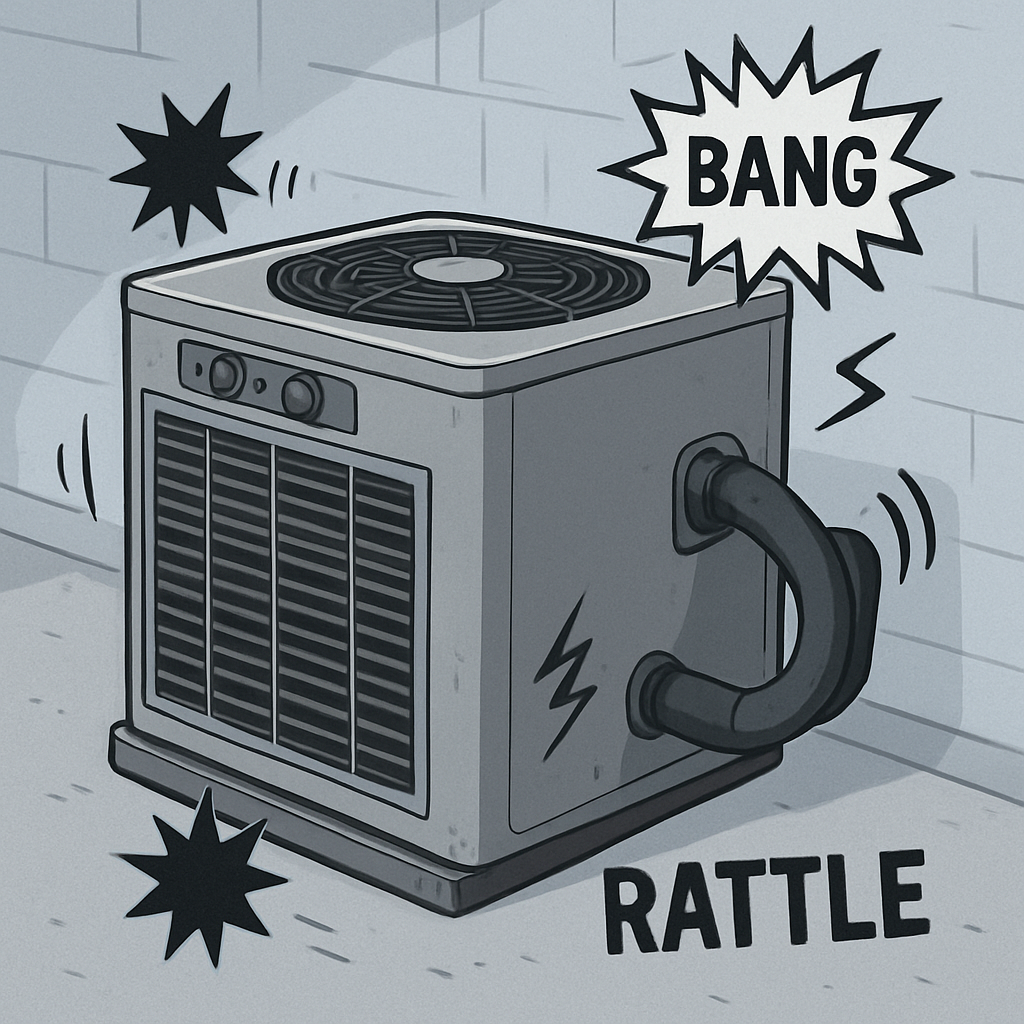
If your HVAC system is making banging, rattling, popping, or clanking noises in New Cumberland, the most common causes are expanding ductwork, loose internal components, airflow restrictions, worn blower parts, or abrupt safety shutdowns. These noises are not normal and are often amplified by compact home layouts and mixed foundation types common in New Cumberland.
What Unusual HVAC Noises Usually Mean
A properly operating HVAC system should not be loud or disruptive.
Steady airflow is normal. Sharp, metallic, or repeating noises are not.
In New Cumberland homes, concerning noises often:
- Happen at startup or shutdown
- Travel through floors and walls
- Become louder during temperature swings
These sounds typically come from metal movement, vibration, or pressure changes, not electronic controls.
Why This Problem Is So Common in New Cumberland Homes
New Cumberland’s housing layout creates specific HVAC noise challenges.
Many homes were built between the 1940s and 1980s and commonly include:
- Compact lots with limited duct-routing options
- Mixed foundations (basement, crawlspace, slab)
- Older sheet-metal ductwork added after construction
- Basements partially below grade
- Framing that transfers vibration easily
When modern HVAC systems operate in these conditions, expansion and vibration often travel directly into living areas.
In most cases, the system isn’t failing—it’s reacting to physical design limits.
What This Usually Isn’t
Unusual HVAC noises are rarely harmless or “just old house sounds.”
In New Cumberland homes, persistent banging or rattling almost always indicates loose parts, airflow imbalance, or mechanical wear that should be addressed early.
5 Common Reasons HVAC Systems Make Banging or Rattling Noises
1. Expanding and Contracting Ductwork
This is one of the most common noise sources in New Cumberland homes.
Metal ductwork expands when heated and contracts when cooled. If it isn’t properly supported or insulated, it can:
- Pop loudly
- Bang against framing
- Rattle during startup or shutdown
This is especially common in basements and crawlspaces where ducts are close to joists.
2. Loose Panels, Screws, or Internal Components
Rattling almost always means something is loose.
Common sources include:
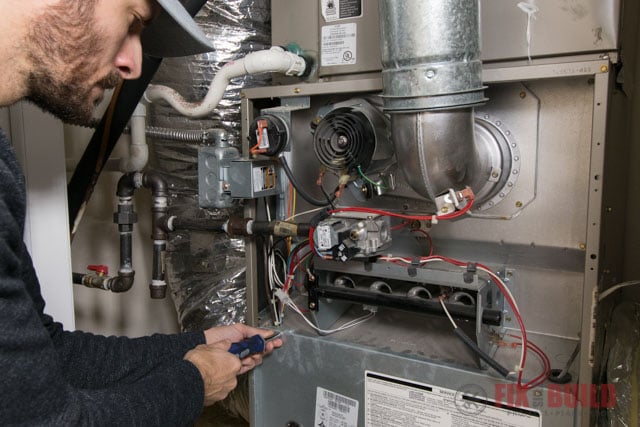
- Furnace access panels
- Blower motor mounts
- Fan housings
- Screws backing out over time
Compact homes often amplify vibration, making these sounds easier to hear.
Loose parts make noise before they cause damage.
3. Airflow Restrictions Creating Pressure Changes
Airflow problems frequently create sudden, loud noises.
Restricted airflow from:
- Undersized return ducts
- Closed or blocked vents
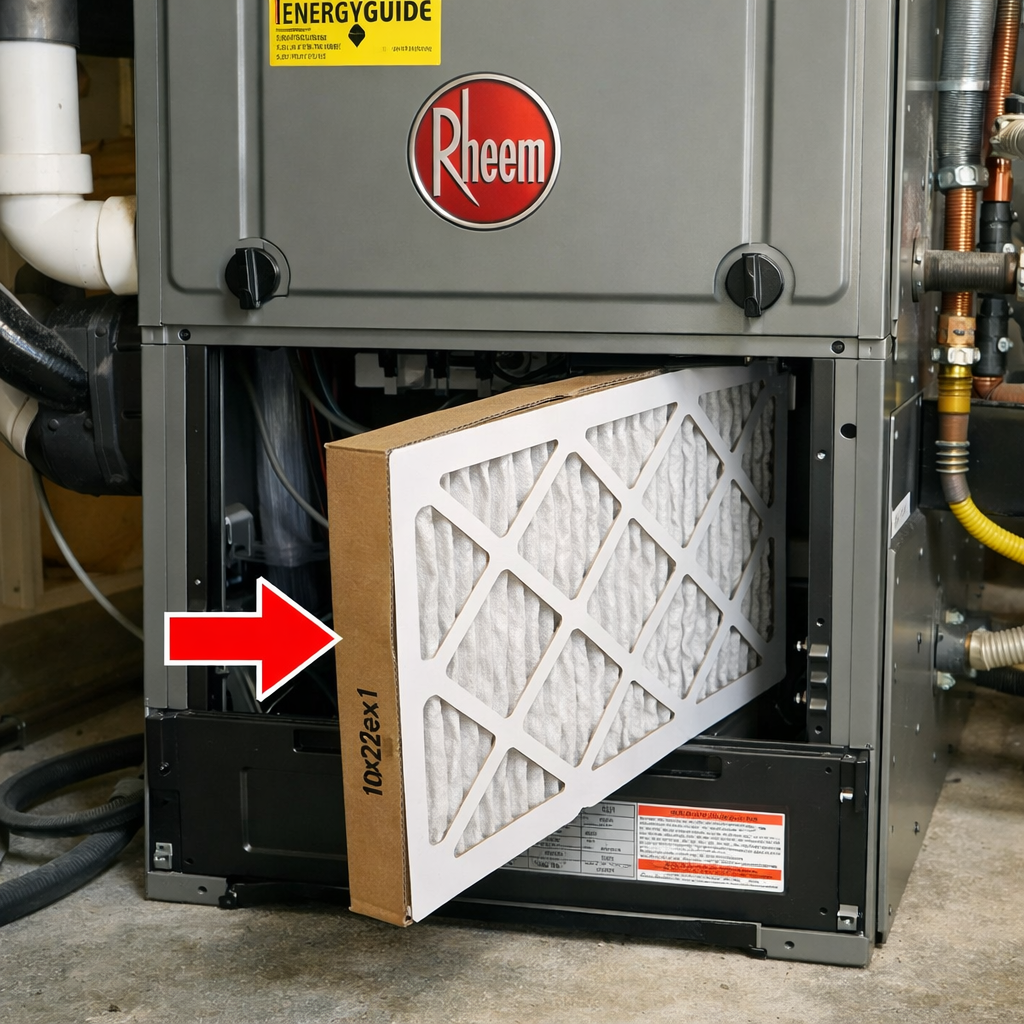
- Dirty filters or coils
can cause:
- Popping sounds
- Banging at startup or shutdown
- Whistling followed by rattling
These pressure changes are common in New Cumberland homes with finished basements or added rooms.
4. Worn Blower Motor or Fan Components
Grinding, scraping, or rattling often comes from the blower assembly.
Typical causes include:
- Worn bearings
- Loose or bent fan blades
- Imbalanced blower wheels
As the blower speeds up or slows down, worn components become louder.
This is a mechanical wear issue—not something that resolves on its own.
5. Safety Shutdowns or Hard Starts
Loud bangs can signal abrupt system operation.
Examples include:
- Delayed ignition in gas furnaces
- Pressure switch interruptions
- Sudden shutdowns due to overheating
In these cases, the noise comes from the system starting or stopping too aggressively.
These situations should always be inspected.
Why Noises Are Worse in Compact and Mixed-Foundation Homes
Homes with mixed foundations often experience:
- Temperature differences between levels
- Ductwork running close to framing
- Limited space for sound dampening
These conditions amplify expansion and vibration, making HVAC noises more noticeable throughout the house.
How HVAC Noise Problems Are Diagnosed Correctly
Proper diagnosis starts with observation and verification—not guessing.
A correct evaluation usually includes:
- Identifying when the noise occurs
- Checking airflow and static pressure
- Inspecting blower and motor assemblies
- Securing ductwork and access panels
If airflow and mechanical stability aren’t checked, noise complaints often return.
We don’t guess at noise causes—we physically locate them.
What Noise Issues Usually Cost to Fix in New Cumberland
There is no single price because cost depends on the source of the noise, not the sound itself.
Factors that increase cost locally:
- Duct repairs in basements or crawlspaces
- Access challenges in tight mechanical areas
- Older equipment with limited replacement parts
Factors that keep costs lower:
- Early diagnosis
- Tightening and balancing components
- Airflow corrections
- Preventive maintenance
Ignoring noise almost always leads to higher repair costs later.
A Common New Cumberland Mistake That Makes HVAC Noise Worse
Many homeowners assume noise is unavoidable in smaller homes.
This often leads to:
- Continued vibration
- Increased mechanical wear
- Larger repairs later
HVAC noise is a warning sign—not something to live with.
What We Won’t Do
We won’t dismiss unusual noises without finding the cause.
If your system is making noise, there is always a physical reason—and it should be identified.
When to Shut the System Off
If you hear:
- Loud banging or metal-on-metal sounds
- Grinding or scraping noises
- Repeated loud startup bangs
It’s best to turn the system off and have it checked to prevent further damage.
Frequently Asked Questions
Are HVAC noises dangerous?
Some are harmless, but others indicate mechanical or safety issues. Loud or worsening noises should always be checked.
Can duct noise be fixed without replacing the system?
Yes. Many noise problems are related to duct support, airflow, or loose components—not the equipment itself.
What guarantees do you offer?
- Repairs and service are covered by our Service Trust Guardian
- New installations are covered by our Lifetime Trust Shield
All guarantees are explained clearly before any work begins.
What to Do Next
Unusual HVAC noises shouldn’t be ignored—but they don’t always mean the worst.
A proper evaluation looks at:
- Mechanical components
- Airflow and pressure
- Duct stability
- System operation timing
Not just parts.
Call Honest Fix today for a free exact quote.
Learn about our guarantees before you decide.
Alex Largent is the Owner and Senior HVAC Efficiency Analyst at Honest Fix Heating, Cooling & Plumbing. With more than 20 years of field experience, NATE and EPA certifications, and a hands-on leadership style, Alex teaches his team to fix systems right the first time — with transparency, precision, and no upsells. He writes about HVAC diagnostics, home energy efficiency, and practical maintenance advice for homeowners across the Upper Ohio Valley. Read Alex Largent’s full bio to learn more about his expertise in the HVAC and Plumbing industry. Updated October 2025.