What Problems Can Arise From Inadequate HVAC Ventilation in Toronto, Ohio Homes
January 15th, 2026
3 min read
By Alex Largent
Quick Answer
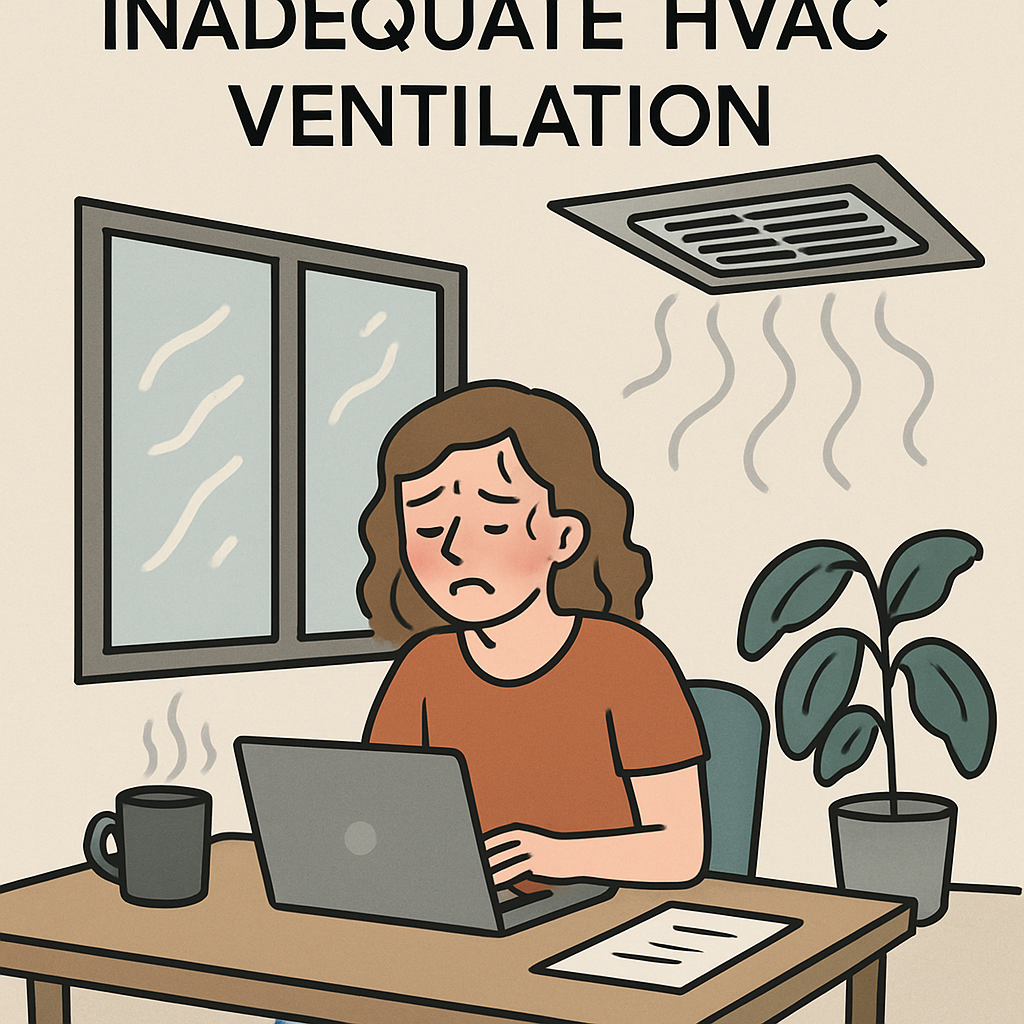
Inadequate HVAC ventilation can cause poor indoor air quality, excess moisture, uneven temperatures, higher energy use, and long-term HVAC damage. In Toronto, Ohio homes, these problems are often intensified by river-adjacent moisture, older housing stock, basement installations, and limited fresh-air pathways.
In Toronto-area homes, inadequate ventilation most often results in humidity buildup, persistent odors, comfort imbalance between floors, and increased strain on HVAC equipment.
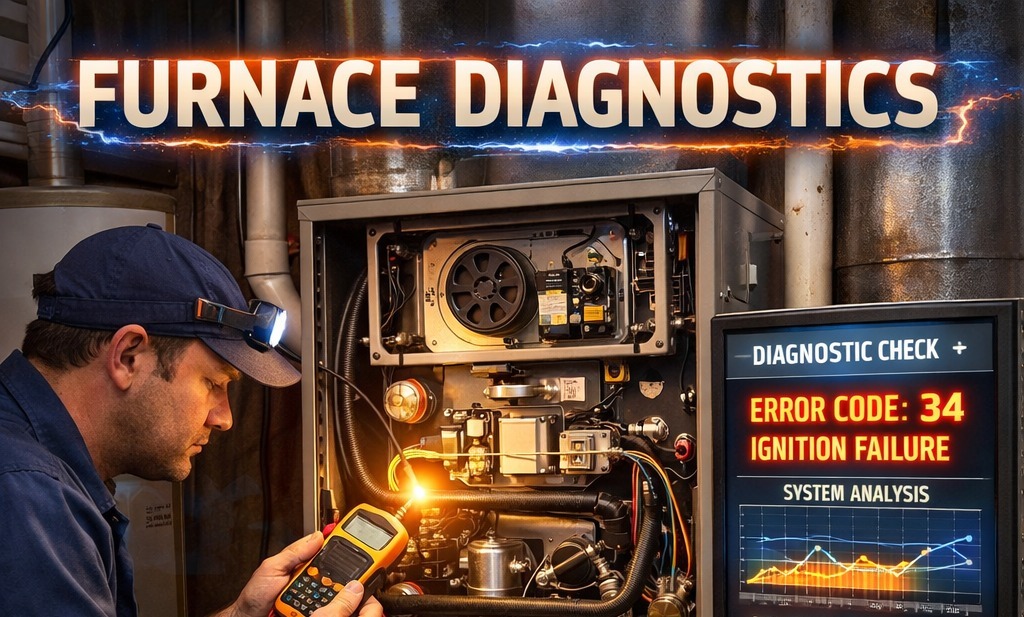
At Honest Fix, ventilation problems are diagnosed using airflow measurement, static pressure testing, and whole-home evaluation—not assumptions.
Toronto homes face a unique mix of challenges when it comes to ventilation. Many properties sit close to the Ohio River, were built decades ago, and rely heavily on basement-installed HVAC systems. Over time, homes have been tightened for efficiency—often without adding proper ventilation.
When a home can’t properly exchange air, indoor conditions slowly degrade even if the HVAC system still runs.
What “Inadequate Ventilation” Really Means
Ventilation is the controlled movement of fresh outdoor air into the home and stale indoor air out.
When that exchange is insufficient, moisture, heat, and airborne contaminants remain trapped.
This is not the same as poor heating or cooling performance. A system can keep temperature stable while ventilation problems quietly build in the background.
The Most Common Problems Caused by Poor HVAC Ventilation
Poor Indoor Air Quality
Without fresh air exchange, pollutants accumulate instead of being diluted.
This commonly leads to:
- Lingering cooking or musty odors
- Elevated carbon dioxide levels
- Increased dust and airborne irritants
Homeowners often report fatigue, headaches, or air that feels stale—especially during winter when homes stay sealed.
Excess Moisture and Humidity Issues
Ventilation is one of the main ways moisture leaves a home.
When ventilation is inadequate:
- Basement dampness worsens
- Condensation appears on windows
- Mold-friendly conditions develop
In Toronto homes near the river or low-lying areas, moisture problems tend to appear sooner and last longer without proper ventilation.
This is often when homeowners notice musty smells that never fully go away.
Uneven Temperatures Throughout the Home
Air that doesn’t circulate properly can’t distribute heat evenly.
Common complaints include:
- Warmer upper floors in summer
- Cooler basement and first floors in winter
- Constant thermostat adjustments
This is frequently seen in older Toronto homes with single return systems or long duct runs from the basement.
Higher Energy Bills Without Improved Comfort
Poor ventilation forces the HVAC system to work harder with diminishing returns.
As stale air is reheated or recooled:
- Run times increase
- Energy use rises
- Comfort remains inconsistent
Many homeowners assume the equipment is inefficient when ventilation is the real limitation.
Increased Wear on HVAC Equipment
Restricted ventilation raises static pressure and electrical load.
Over time, this contributes to:
- Blower motor strain
- Heat exchanger stress
- Compressor overheating
Ventilation issues are often linked to breaker trips, frequent service calls, and shortened system lifespan.
A Real Toronto, Ohio Home Example
We recently evaluated a 1950s Toronto home located a few blocks from the river, with a basement HVAC system and decades of incremental updates.
- Finished basement with limited return airflow
- No dedicated fresh-air intake
- Newer high-efficiency furnace
The homeowners experienced persistent humidity, stale air, and uneven temperatures.
The cause: Inadequate ventilation combined with restricted return air, creating elevated static pressure.
The fix: Ventilation improvements and airflow balancing—without replacing the HVAC system.
A Cost Driver Specific to Toronto Homes
River-adjacent moisture and older construction increase ventilation complexity.
Common cost drivers include:
- Basements prone to damp conditions
- Older framing not designed for modern airflow
- Limited options for adding return or fresh-air paths
Correcting ventilation early often prevents more expensive moisture damage or equipment failure later.
The Most Common Homeowner Mistake
Assuming humidity or odor problems are caused by the HVAC equipment itself.
In many Toronto homes, the system is operating correctly—the home simply lacks adequate ventilation.
Ventilation problems are frequently mistaken for failing equipment when airflow is the real issue.
Neighborhood-Specific Ventilation Challenges
Across Toronto, Wintersville, Steubenville, Mingo Junction, Brilliant, Weirton, Follansbee, Wellsburg, New Cumberland, Colliers, and Hooverson Heights, we consistently see:
- Basement-based HVAC systems with limited fresh air
- Homes tightened over time without ventilation upgrades
- Moisture influenced by terrain, river proximity, and construction style
These factors make ventilation a critical—but often overlooked—part of indoor comfort and system longevity.
How Ventilation Problems Are Diagnosed
Ventilation problems must be measured to be solved correctly.
A proper evaluation includes:
- Static pressure testing
- Airflow measurement
- Whole-home ventilation assessment
Not every home needs ventilation upgrades, and we don’t recommend them unless testing proves they solve a real problem.
How Our Guarantees Protect You
Service Trust Guardian (Ventilation Corrections & Repairs)
When ventilation improvements are made as part of service work, you’re protected by:
- 5-year labor warranty on repairs
- No overtime charges
- Money-back satisfaction protection
- On-time arrival accountability
Lifetime Trust Shield (When Replacement Is Involved)
If ventilation issues are addressed during system replacement, you’re covered by:
- 15-year labor coverage
- No-lemon system protection
- Energy performance assurance
These are among the strongest guarantees in the Ohio Valley.
Frequently Asked Questions
Can poor ventilation affect indoor health?
Yes. Poor ventilation can worsen allergies, fatigue, headaches, and respiratory irritation.
Is opening windows enough?
No. Ventilation must be controlled and consistent to be effective year-round.
Do all Toronto homes need ventilation upgrades?
No—but many older, river-adjacent homes benefit significantly when testing confirms a problem.
What guarantees do you offer?
Repairs fall under Service Trust Guardian. Installations are protected by Lifetime Trust Shield.
What to Do Next
If your home feels humid, stale, uneven, or hard to keep comfortable, ventilation may be the real issue.
We don’t recommend ventilation upgrades unless testing proves they solve a real problem in your home.
Call Honest Fix today for a free exact quote.
You’ll get clear answers and a solution built around your home—not assumptions.
Alex Largent is the Owner and Senior HVAC Efficiency Analyst at Honest Fix Heating, Cooling & Plumbing. With more than 20 years of field experience, NATE and EPA certifications, and a hands-on leadership style, Alex teaches his team to fix systems right the first time — with transparency, precision, and no upsells. He writes about HVAC diagnostics, home energy efficiency, and practical maintenance advice for homeowners across the Upper Ohio Valley. Read Alex Largent’s full bio to learn more about his expertise in the HVAC and Plumbing industry. Updated October 2025.