Why Inefficient HVAC Systems Cost More in Wellsburg
Wellsburg’s hillside terrain creates long-term HVAC challenges.
Many homes were built between the 1930s and 1970s on sloped lots along the river valley. Because of that, we frequently see:
- Walkout or partially buried basements
- Long vertical duct runs feeding upper floors
- Poor return airflow from higher levels
- Systems forced to work harder to overcome elevation changes
Homeowners often notice inefficiency when upstairs rooms never feel right, even though the lower level stays comfortable.
This guidance is based on HVAC evaluations we perform regularly in Wellsburg homes from those eras.
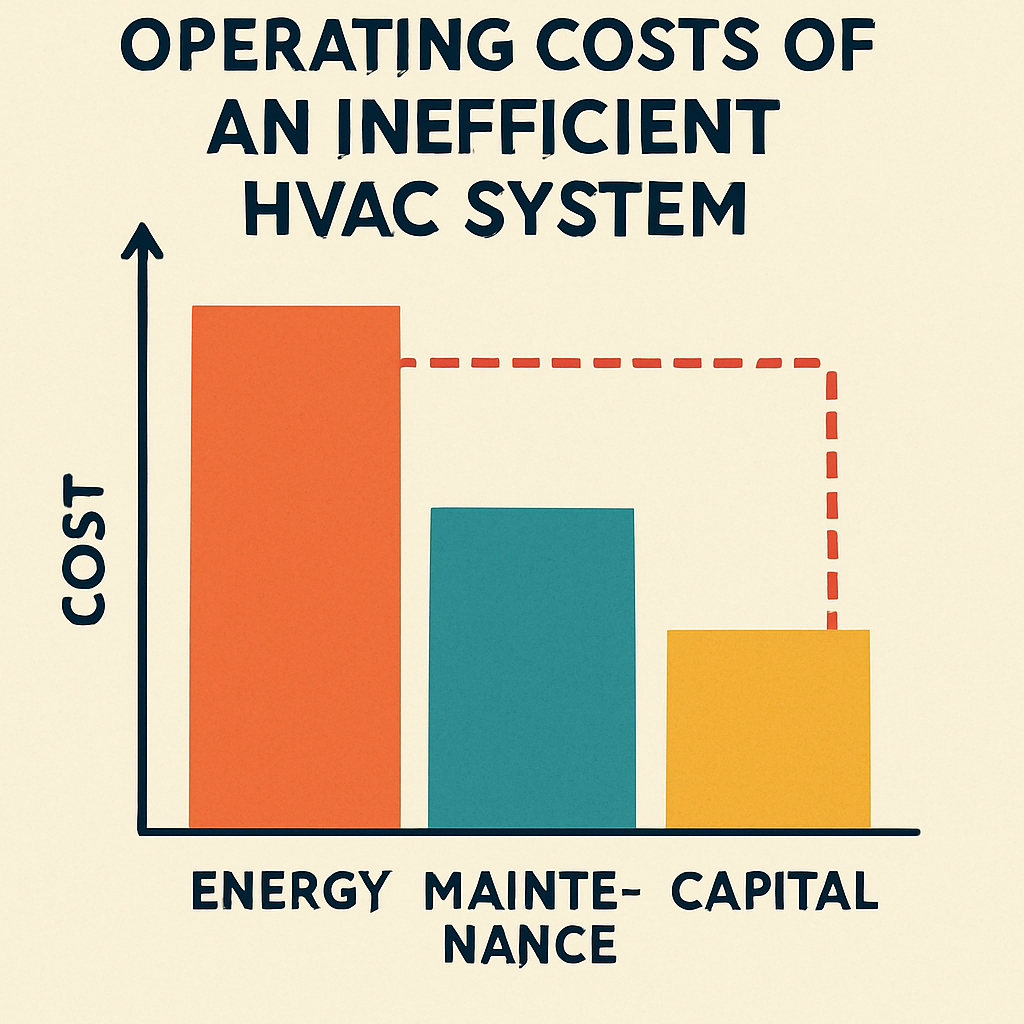
Where the Extra Money Goes Over Time
In Wellsburg homes, inefficiency usually appears as vertical airflow strain, not immediate system failure.
1. Energy Waste From Elevation Challenges
An inefficient system often:
- Runs longer to move air upward
- Loses air pressure through long vertical ducts
- Short-cycles when airflow can’t keep up
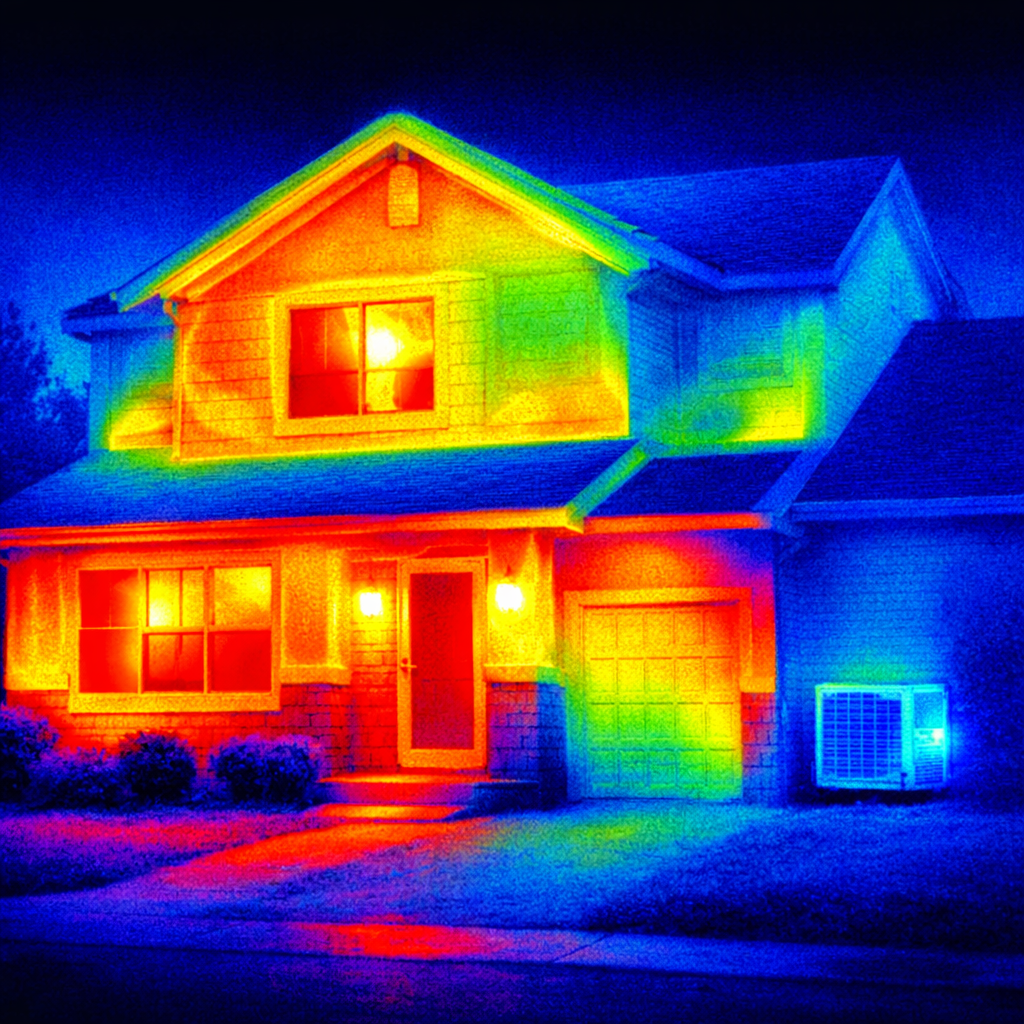
During cold Wellsburg winters and humid summers, this frequently results in hundreds of dollars per year in unnecessary energy use.
Elevation-driven airflow loss is one of the biggest cost drivers here.
2. Repairs Caused by Constant Overwork
Many Wellsburg homeowners tell us:
“The basement feels fine, but upstairs never does.”
“We keep fixing parts, but comfort never improves.”
Vertical airflow strain increases wear on:
- Blower motors
- Control boards
- Heat exchangers and compressors
Once this cycle begins, $600–$1,800 per year in repairs becomes common.
3. Shortened Equipment Lifespan
In a properly designed system:
- Furnaces often last 15–20 years
- Air conditioners last 12–15 years
In hillside Wellsburg homes with vertical airflow issues, systems often fail 5–7 years earlier due to constant strain.
Early replacement quietly multiplies total ownership cost.
4. Comfort Workarounds That Increase Bills
When upper levels are uncomfortable, homeowners often:
- Use space heaters in winter
- Run fans or window units upstairs
- Constantly adjust thermostats
These workarounds increase electric usage without fixing airflow.
Inefficiency Is Not Just About Old Equipment
Many homeowners assume inefficiency means outdated equipment.
In Wellsburg, inefficiency is often caused by:
- Poorly sized vertical duct runs
- Missing or inadequate return air upstairs
- Systems replaced without accounting for elevation
- Duct layouts designed for gravity-era heating
Even newer equipment can be expensive to operate if vertical airflow was never corrected.
A Real Wellsburg, WV Home Example
Home profile:
- 1950s hillside split-entry
- Walkout basement
- Multi-level interior layout
- Gas furnace with central AC
The situation:
The lower level stayed comfortable year-round, but upper bedrooms were hot in summer and cold in winter. Energy bills climbed steadily.
What we found:
- Undersized vertical supply ducts
- Poor return air paths upstairs
- A system running longer to compensate
The long-term cost:
Over nine years, the homeowner spent over $9,800 in excess energy use and repeated repairs without achieving balanced comfort.
This pattern is extremely common in Wellsburg hillside homes.
A Cost Driver Unique to Wellsburg Homes
Elevation changes quietly increase operating costs in Wellsburg.
Many homes require:
- Larger vertical duct sizing
- Additional return air paths on upper floors
- Longer runtimes to overcome gravity and pressure loss
A system can seem functional while becoming increasingly expensive to operate.
The Most Common Wellsburg HVAC Cost Mistake
Treating a hillside home like a flat-lot house.
This leads to:
- Replacing parts instead of fixing airflow
- Rising utility bills
- Ongoing comfort complaints
In Wellsburg, elevation matters as much as square footage.
Repairing an Inefficient System vs. Replacing It
Repair May Make Sense When:
- The system is under 8–10 years old
- Inefficiency is isolated and measurable
- Airflow design is fundamentally sound
Replacement Often Makes Sense When:
- The system is over 12–15 years old
- Repairs are becoming routine
- Energy bills keep rising
- Comfort problems persist across levels
Over a 10–15 year span, operating costs often exceed the cost of replacing the system correctly.
How This Applies Across the Upper Ohio Valley
We see the same long-term HVAC cost patterns in:
- Steubenville, OH
- Wintersville, OH
- Toronto, OH
- Mingo Junction, OH
- Brilliant, OH
- Weirton, WV
- Follansbee, WV
- New Cumberland, WV
- Colliers, WV
Hillside construction makes inefficiency expensive across the region.
Frequently Asked Questions
How do I know if my HVAC system is inefficient?
Uneven temperatures between floors, rising utility bills, frequent repairs, and long run times are common signs.
Does home elevation affect HVAC operating costs in Wellsburg?
Yes. In many homes here, vertical airflow challenges drive operating costs more than the equipment itself.
What guarantees do you offer?
- Repairs and service: Covered by our Service Trust Guardian, including a 5-year labor warranty on qualifying repairs and no overtime charges.
- New installations: Protected by our Lifetime Trust Shield, which includes long-term labor coverage and performance guarantees.
The Bottom Line for Wellsburg Homeowners
An inefficient HVAC system doesn’t just cost more to run — it quietly drains money every year through wasted energy, repeated repairs, and early replacement.
This isn’t for everyone. It’s for homeowners who want airflow and comfort fixed correctly, not endlessly adjusted.
There’s no pressure and no rush — just clear information so you can decide what makes sense for your home.
Call Honest Fix today for a free exact quote.
Learn about our guarantees before you decide.
Alex Largent is the Owner and Senior HVAC Efficiency Analyst at Honest Fix Heating, Cooling & Plumbing. With more than 20 years of field experience, NATE and EPA certifications, and a hands-on leadership style, Alex teaches his team to fix systems right the first time — with transparency, precision, and no upsells. He writes about HVAC diagnostics, home energy efficiency, and practical maintenance advice for homeowners across the Upper Ohio Valley. Read Alex Largent’s full bio to learn more about his expertise in the HVAC and Plumbing industry. Updated October 2025.