Quick Answer:
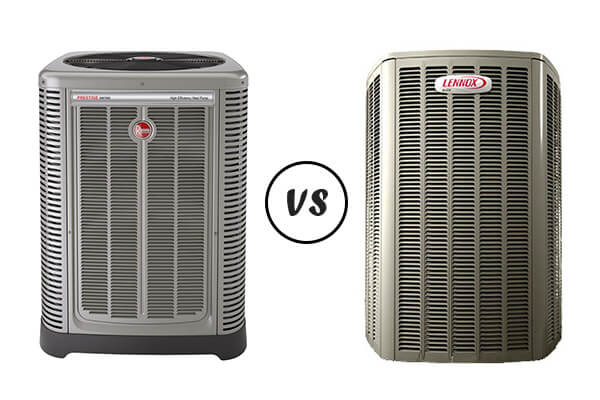
Rheem and Lennox are both high-quality HVAC brands, but Lennox offers higher efficiency (up to 28 SEER2), while Rheem delivers better reliability and easier repairs. In real homes, installation quality impacts 30–50% of system performance—often more than the brand itself.
Introduction
If you're comparing Rheem vs Lennox, you're trying to avoid making an expensive mistake.
Most articles won’t help you do that. They’re written by manufacturers or marketing teams.
This one isn’t.
This comparison comes from 30+ years of HVAC experience across Ohio, installing, servicing, and repairing both brands in real homes—not controlled conditions.
Which is better, Rheem or Lennox?
Quick Answer:
Lennox is better for maximum efficiency and quieter operation. Rheem is better for reliability, repairability, and long-term ownership cost. The right choice depends on how you balance performance vs practicality.
There is no universal winner.
| Factor | Rheem | Lennox |
|---|---|---|
| Upfront Cost | Lower | Higher |
| Efficiency | Good | Excellent |
| Repair Costs | Lower | Higher |
| Parts Availability | Easy | More restricted |
| Complexity | Simpler | More advanced |
Rheem is built to run. Lennox is built to optimize.
Why we chose Rheem at Honest Fix
Quick Answer:
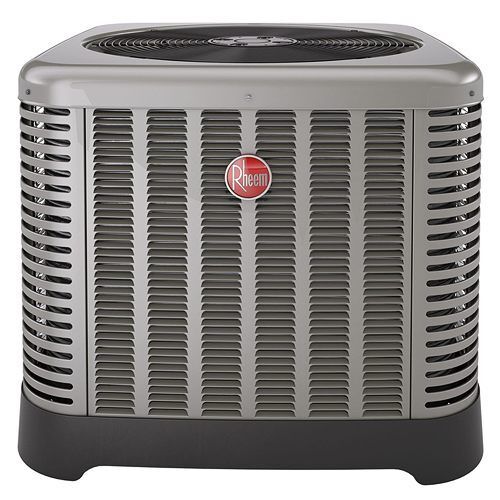
We chose Rheem because it consistently performs, is easier to service, and holds up better over time. That reduces long-term cost and risk for homeowners.
We are a Rheem Pro Partner (authorized service provider).
That decision came from real field experience across Ohio.
After working on every major brand, Rheem proved to be the most consistent “workhorse” system:
- Fewer major failures
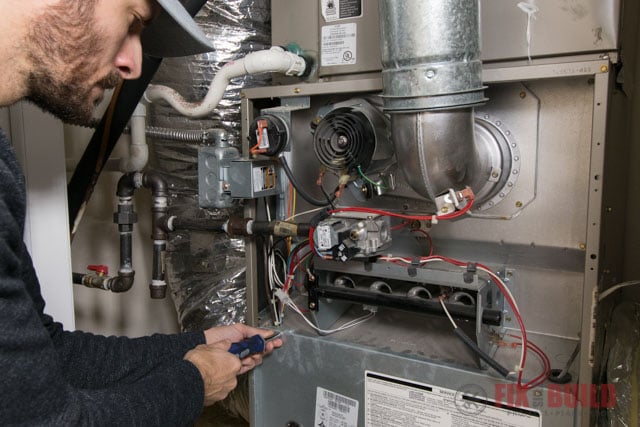
- Easier repairs
- Better parts availability
- Lower long-term service cost
It’s not the most advanced system.
It’s the one that keeps running.

Is Lennox worth the higher price?
Quick Answer:
Lennox can be worth the cost for high-efficiency applications, but most homeowners won’t see full return unless installation and home conditions are optimized.
Lennox systems can reach up to 28 SEER2.
But efficiency ratings don’t guarantee real savings.
According to the U.S. Department of Energy:
https://www.energy.gov/energysaver/heating-and-cooling
Real performance depends heavily on installation quality, insulation, and airflow.
In many Ohio homes:
- Duct leakage reduces performance
- Oversizing causes short cycling
- Insulation limits efficiency gains
Even a 20+ SEER2 system can perform closer to 12–14 SEER2 in real conditions if airflow is wrong.
Which HVAC brand lasts longer?
Quick Answer:
Both Rheem and Lennox systems last 12–20 years. Lifespan depends more on installation, airflow, and maintenance than brand. Poor installation can shorten life by 30% or more.
Industry standards from ASHRAE support this:
https://www.ashrae.org/
What actually determines lifespan:
- Airflow setup
- Installation quality
- Maintenance consistency
Most HVAC comparisons online focus on equipment.
In real homes, the biggest failures come from poor installation—not bad brands.
Installation matters more than brand
Quick Answer:
Installation determines up to half of system performance. Incorrect sizing or airflow leads to higher bills, uneven comfort, and early failure regardless of brand.
Proper sizing follows ACCA Manual J standards:
https://www.acca.org/standards/technical-manuals
This includes:
- Heat loss/gain calculations
- Duct design
- Airflow balancing
If this step is wrong, brand doesn’t fix it.
What actually matters in Steubenville, Weirton, and surrounding areas
Quick Answer:
Older homes, ductwork issues, and humidity impact HVAC performance more than brand. Many systems lose 20–40% efficiency due to airflow and installation problems.
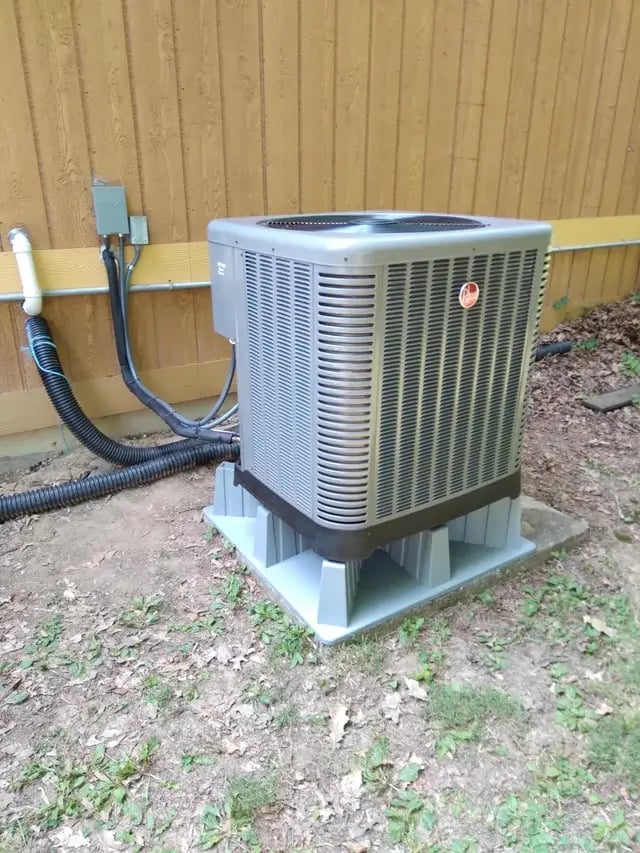
In homes across Steubenville, Weirton, and Hooverson Heights, we regularly see:
- Undersized or oversized systems
- Aging ductwork restricting airflow
- Basement installs affecting distribution
- High humidity loads
In older homes around Mingo Junction and Toronto, undersized return ductwork is common. That alone can reduce system efficiency by 20% or more, regardless of brand.
Example:
A properly installed Rheem system will outperform a poorly installed Lennox system almost every time.
Cost differences between Rheem and Lennox
Quick Answer:
Rheem costs less upfront and is cheaper to repair. Lennox costs more but offers higher efficiency and advanced features. Total cost depends more on installation and maintenance.
Both brands meet ENERGY STAR standards:
https://www.energystar.gov/products/heating_cooling
Rheem
- Lower upfront cost
- Lower repair cost
- Easier service
Lennox
- Higher upfront investment
- More expensive repairs
- Proprietary components
Real-world reliability and repairs
Quick Answer:
Rheem systems are easier and cheaper to repair. Lennox systems are more complex and can cost more when failures occur. Reliability depends more on installation than brand.
From field experience:
- Rheem = consistent, serviceable
- Lennox = higher performance, tighter tolerances
Independent data (Consumer Reports):
https://www.consumerreports.org/appliances/heating-cooling/
Homeowner satisfaction is driven more by installation and service than brand.
Who should NOT choose Rheem or Lennox?
Quick Answer:
Rheem is not ideal for homeowners prioritizing maximum efficiency or advanced features. Lennox is not ideal for homeowners wanting lower repair costs or simpler systems. Choosing the wrong system leads to higher long-term cost and frustration.
Rheem is NOT the best choice if you:
- Want the highest possible SEER2 rating
- Care about ultra-quiet operation
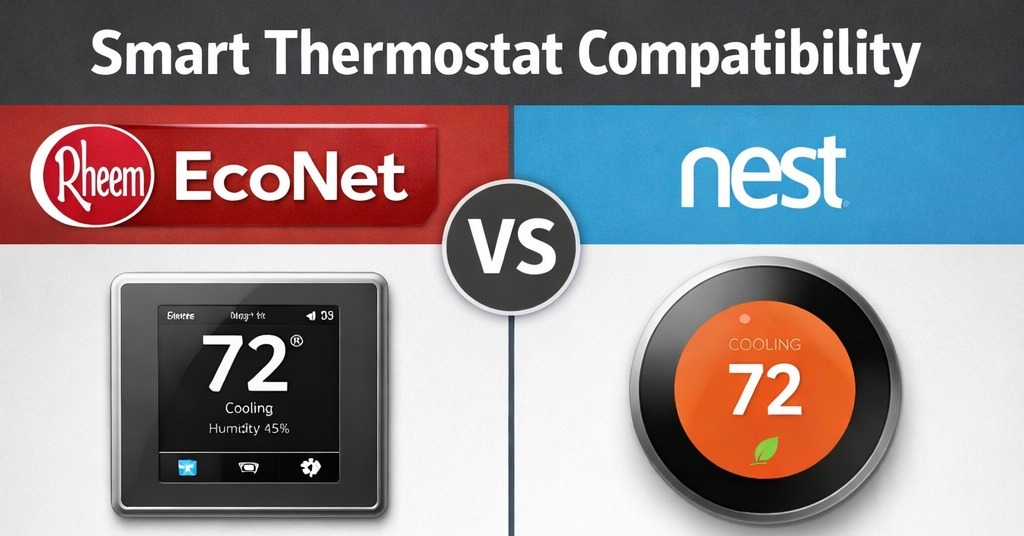
- Prefer advanced communicating systems
Lennox is NOT the best choice if you:
- Want lower repair costs
- Plan to stay long-term and minimize service risk
- Prefer simpler, more serviceable equipment
Final Verdict: Rheem vs Lennox
Quick Answer:
Rheem is the better choice for reliability, value, and easier long-term ownership. Lennox is better for maximum efficiency and premium performance. In most homes, installation quality matters more than brand.
If you want:
- Reliability and lower long-term cost → Rheem
- Maximum efficiency and premium features → Lennox
The right choice comes down to your home, your budget, and how the system is installed.