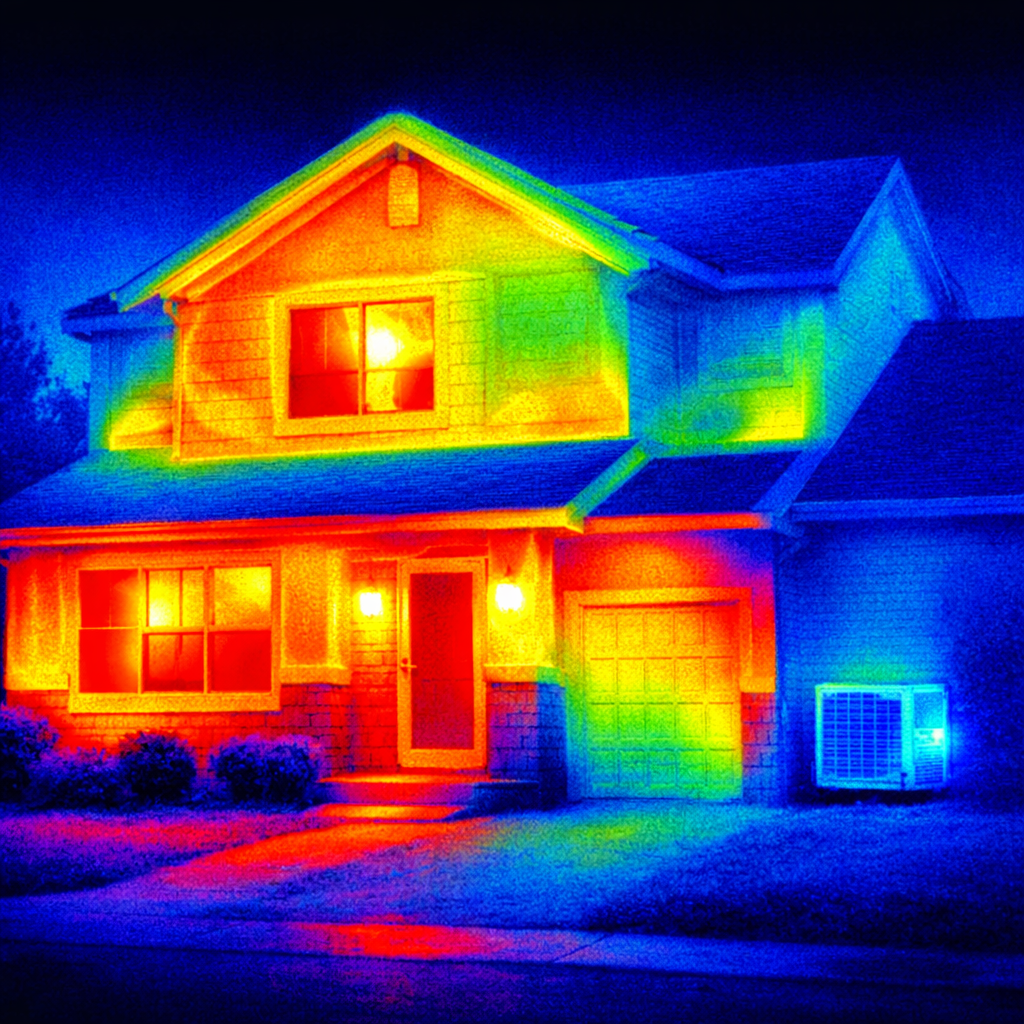
What Causes Uneven Heating Or Cooling In Steubenville Homes?
January 7th, 2026
3 min read
By Alex Largent
Quick Answer
Temperature differences from room to room are most often caused by airflow imbalance, duct limitations, insulation gaps, or HVAC systems that were never designed around the home’s layout. In older, multi-level Steubenville homes, these factors commonly stack together and create ongoing comfort issues.
Why This Happens So Often In Steubenville Homes
Uneven temperatures are rarely caused by a failing furnace or air conditioner.
Many Steubenville homes were built decades before modern HVAC design standards existed. Over time, systems were replaced, basements were finished, and rooms were added—without ever correcting how air was originally intended to move through the house.
We see this most often in homes built between the 1940s and 1980s. The HVAC equipment may be operating properly, but the airflow design no longer matches the home’s layout or how the space is used today.
The Most Common Causes Of Uneven Heating Or Cooling
Poor Duct Design Or Aging Ductwork
Ductwork has more influence on comfort than the HVAC equipment itself.
In many Steubenville homes:
- Duct runs are too long or undersized
- Upstairs rooms receive weak airflow
- Basement ducts lose heat before air reaches living spaces
- Original duct systems were never balanced after upgrades
When air cannot reach each room evenly, comfort problems persist regardless of system age.
Heat Rising In Multi-Level Homes
Multi-story homes naturally struggle with temperature balance.
A common local layout includes:
- A basement (finished or unfinished)
- A main living floor
- Second-floor bedrooms
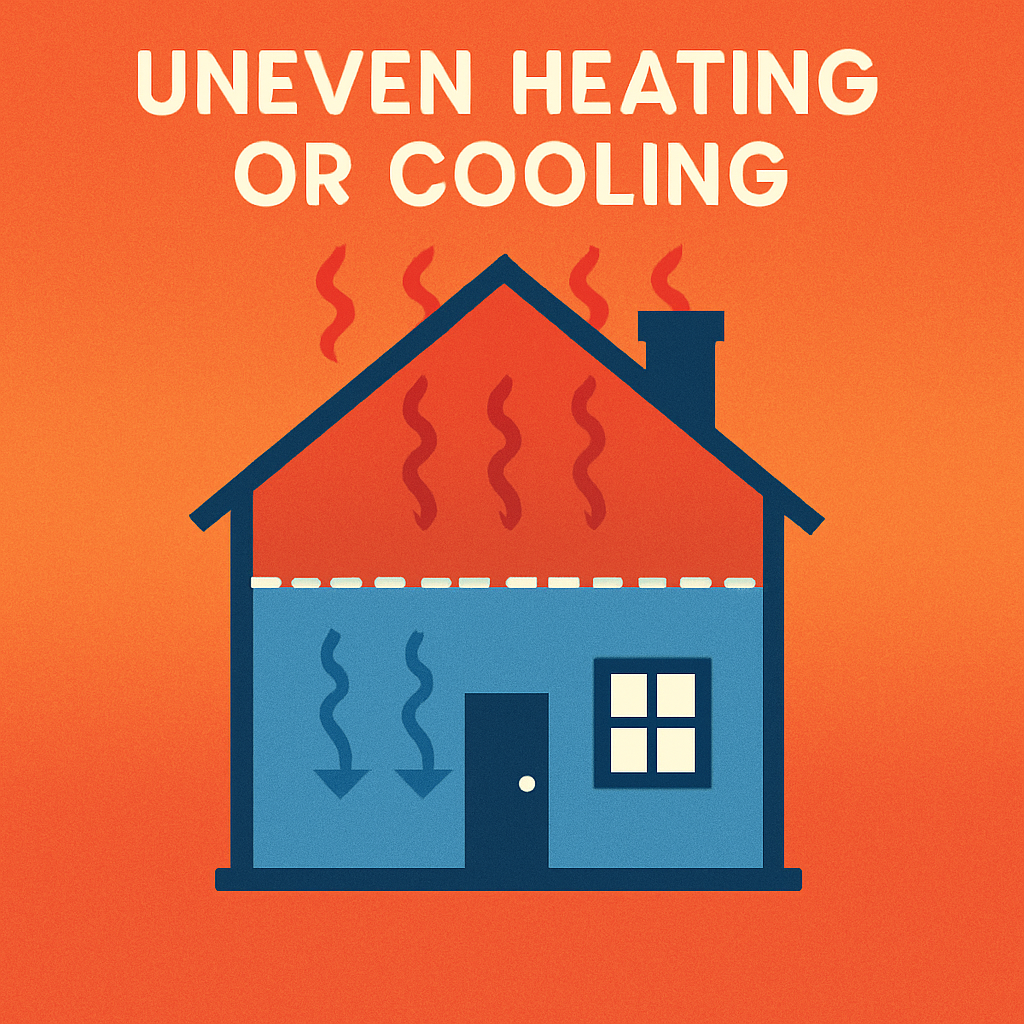
In winter, warm air rises and overheats upper floors. In summer, heat builds upstairs while basements remain cooler. One thermostat cannot manage this without airflow control or zoning.
One Thermostat Controlling Too Much Space
A single thermostat only measures temperature in one location.
If the thermostat is:
- Near a kitchen
- In a hallway
- On the first floor of a multi-level home
The system may shut off while other rooms are still uncomfortable. This is one of the most common comfort complaints from Steubenville homeowners.
Insulation Gaps And Air Leaks
Your HVAC system cannot compensate for heat loss or heat gain.
Many older Ohio Valley homes have:
- Limited attic insulation
- Leaky rim joists
- Drafty basements
- Mixed window types
Rooms with weaker insulation change temperature faster, creating noticeable hot and cold spots throughout the home.
Improperly Sized HVAC Equipment
Bigger is not better—and “close enough” often causes problems.
Many systems were replaced using square-foot estimates instead of proper load calculations. This can lead to:
- Short cycling
- Poor air mixing
- Ongoing temperature differences
Replacing equipment without correcting airflow and sizing can actually make uneven comfort worse.
A Real Steubenville Example We See Often
Home: 1950s brick two-story near Belleview Park
Layout: Basement, main living floor, second-floor bedrooms
Problem: Upstairs freezing in winter, overheating in summer
What we found:
- Original duct trunks feeding both floors equally
- No balancing dampers
- Minimal attic insulation
- Thermostat located near the kitchen
The system itself was not failing. The airflow design never matched the home’s layout or hillside foundation.
A Cost Driver Unique To Steubenville Homes
Correcting uneven comfort often costs more because of access—not equipment.
Many Steubenville homes sit on hillsides or stone foundations with limited duct access. Proper correction may involve:
- Duct resizing or rerouting
- Manual dampers or zoning
- Targeted insulation improvements
The cost is driven by the home’s structure and layout, not unnecessary upgrades.
A Common Mistake Local Homeowners Make
Turning the thermostat up or down does not fix airflow problems.
This often results in:
- One room becoming uncomfortable
- Higher utility bills
- Faster system wear
- Continued frustration
Uneven heating and cooling is a design issue, not a thermostat issue.
Neighborhood-Specific Issues Across The Upper Ohio Valley
We see similar comfort problems in:
- Wintersville
- Toronto
- Mingo Junction
- Brilliant
- Weirton
- Follansbee
- Wellsburg
- New Cumberland
- Colliers
Basements, hills, older electrical panels, and room additions all affect airflow. Homes may look similar, but the solutions are often different.
How Uneven Heating And Cooling Is Actually Fixed
There is no one-size solution.
Depending on the cause, real fixes may include:
- Airflow balancing
- Zoning systems
- Duct modifications
- Insulation upgrades
- Proper system sizing during replacement
Sometimes the fix is simple. Sometimes it’s structural. The key is diagnosing before recommending.
Frequently Asked Questions
Can uneven heating or cooling damage my HVAC system?
Yes. Systems that constantly overwork to satisfy one area experience more wear and tend to fail sooner.
Will replacing my furnace or air conditioner fix this?
Not always. If airflow and duct design are not addressed, new equipment can make the problem worse.
What guarantees do you offer?
We stand behind our work with clear protections:
- Service Trust Guardian for repairs and maintenance
- Lifetime Trust Shield for new installations
These guarantees are designed to protect homeowners, not create confusion.
What To Do Next
Uneven heating and cooling is frustrating—but it is also one of the most fixable comfort problems when diagnosed correctly.
Call Honest Fix today for a free exact quote.
If you want to review our guarantees before deciding, we’re happy to walk you through them—no pressure, no games.
Alex Largent is the Owner and Senior HVAC Efficiency Analyst at Honest Fix Heating, Cooling & Plumbing. With more than 20 years of field experience, NATE and EPA certifications, and a hands-on leadership style, Alex teaches his team to fix systems right the first time — with transparency, precision, and no upsells. He writes about HVAC diagnostics, home energy efficiency, and practical maintenance advice for homeowners across the Upper Ohio Valley. Read Alex Largent’s full bio to learn more about his expertise in the HVAC and Plumbing industry. Updated October 2025.