Quick Answer:
A blinking light on a Rheem furnace is an error code that signals a specific problem such as ignition failure, airflow restriction, or sensor issues. Count the flashes, match them to the chart inside your furnace panel, and fix the root issue—resetting alone will not solve most problems.
Introduction
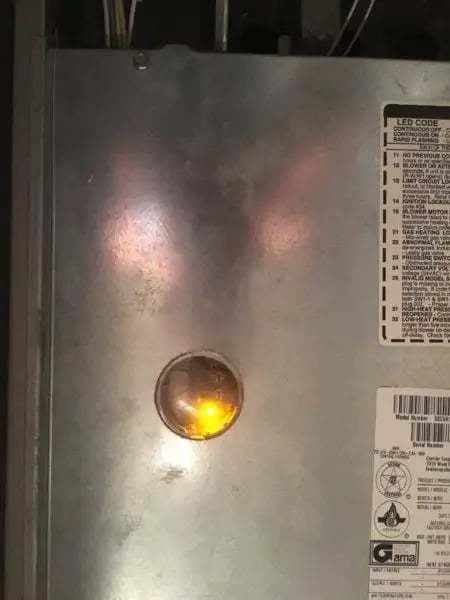
If your Rheem furnace light is blinking, it’s trying to tell you something.
That blinking light is not random—it’s a built-in diagnostic system.
Most homeowners either ignore it or reset the system without understanding the cause.
This leads to repeat breakdowns.
This guide shows you:
- What the blinking light means
- How to read the code
- What you can safely check
- When to stop and get it fixed properly
What does a blinking light on a Rheem furnace mean?
Quick Answer:
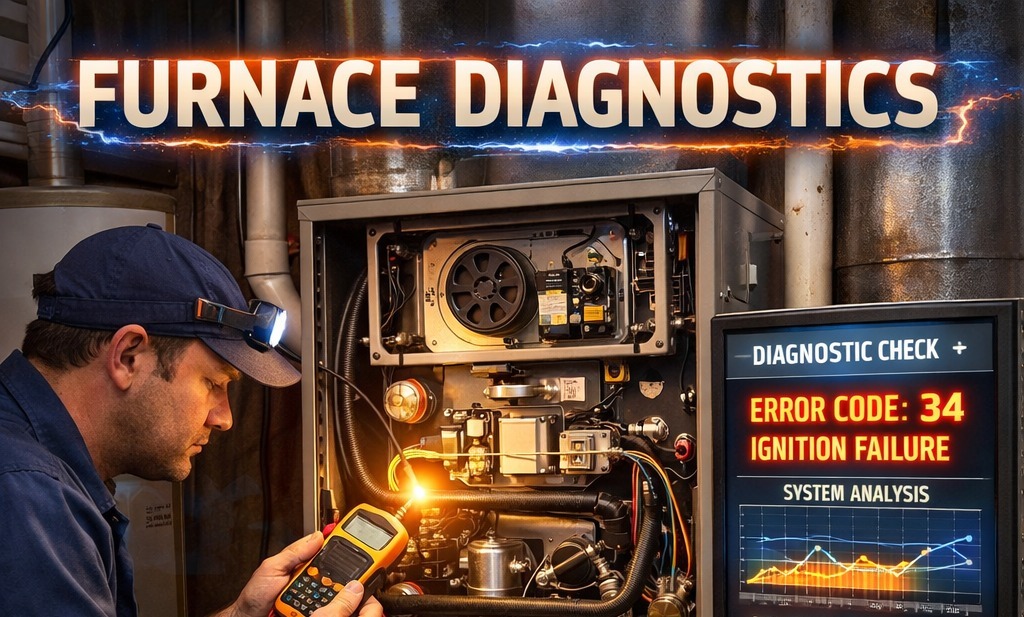
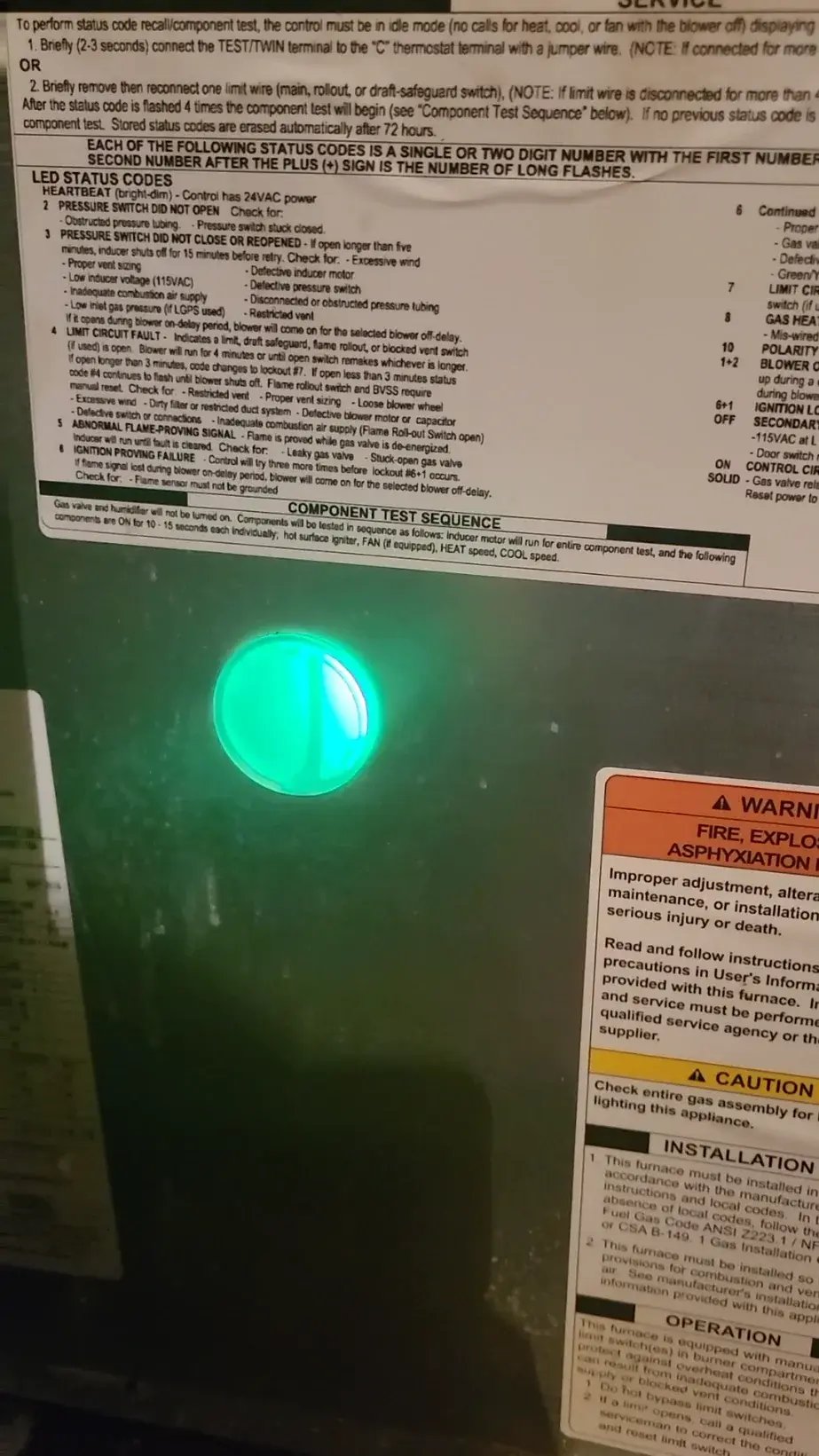
A blinking light indicates a stored fault code. Each flash pattern corresponds to a specific issue like ignition failure, pressure switch problems, or overheating.
The control board uses flash codes to communicate problems.
Common patterns include:
- 1 flash = ignition issue
- 2 flashes = pressure switch problem
- 3 flashes = overheating or limit switch
- Continuous blinking = normal operation (varies by model)
Always confirm using your furnace panel chart or Rheem documentation:
https://www.rheem.com/support/
How do you read Rheem furnace error codes?
Quick Answer:
Count the flashes between pauses and match that number to the chart inside your furnace panel. This identifies the exact system issue.
Steps:
- Watch the blinking sequence
- Count flashes between pauses
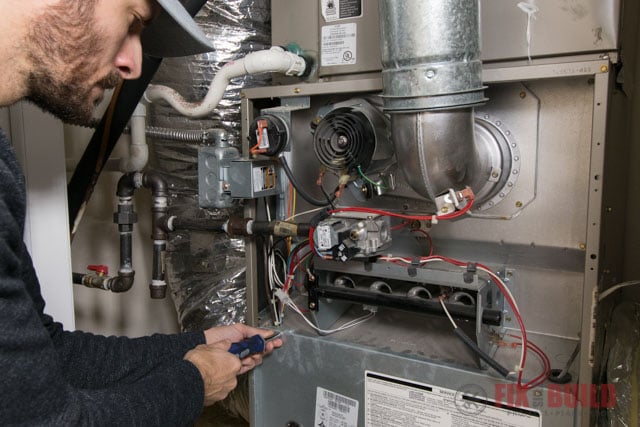
- Find the chart inside the panel
- Match to the listed issue
This diagnostic system follows standard HVAC control practices supported by:
https://www.ashrae.org/
Can you reset the furnace to clear the blinking light?
Quick Answer:
You can reset the furnace by turning off power for 30–60 seconds, but this only clears the code temporarily. If the issue remains, the light will return.
Reset process:
- Turn off power
- Wait 30–60 seconds
- Restore power
Most furnace resets that “work” are only masking a problem that will come back.
What a blinking furnace light usually means (most common causes)
Quick Answer:
Most blinking light issues are caused by airflow problems, ignition failures, or sensor issues. These are safety shutdowns designed to prevent damage.
Most common causes:
- Dirty air filters
- Blocked return ducts
- Flame sensor buildup
- Pressure switch issues
- Overheating
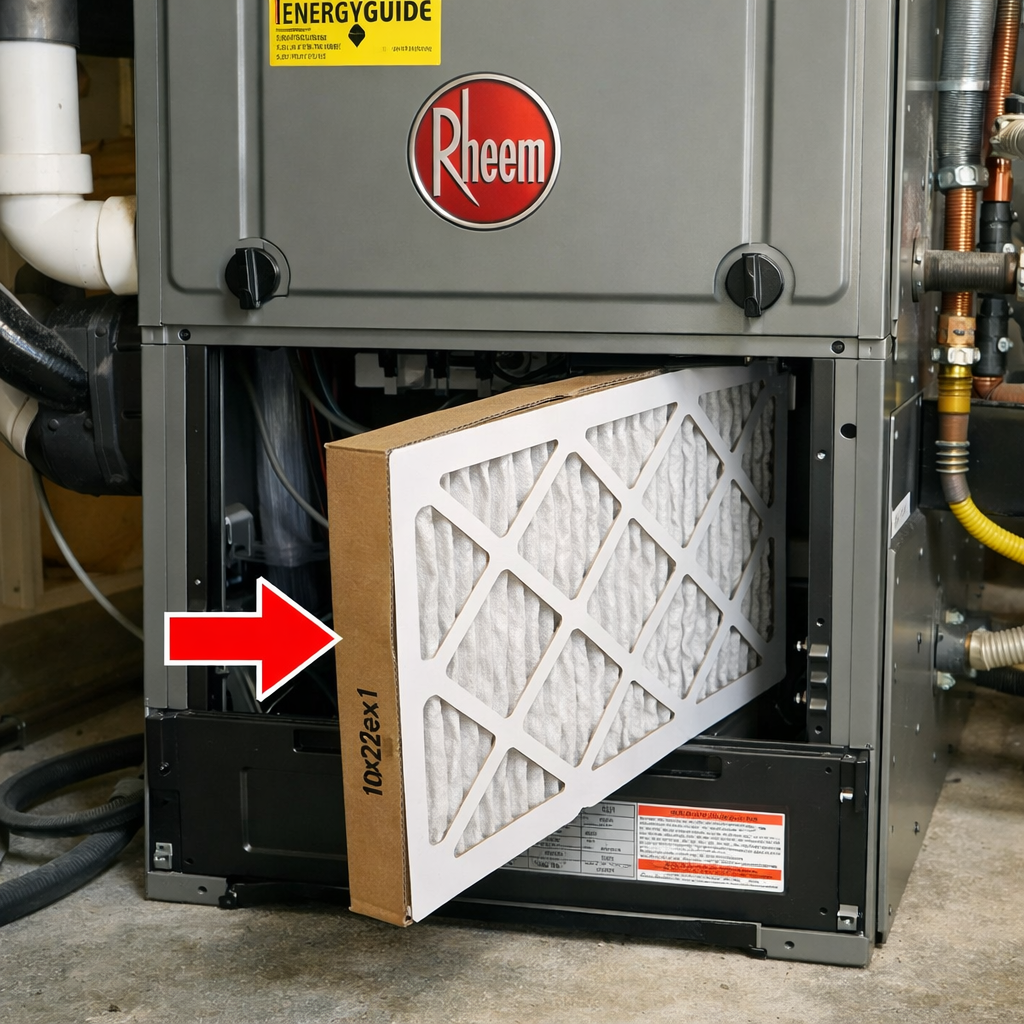
Even a clogged filter can reduce airflow by 15–20%, enough to trigger shutdown.
U.S. Department of Energy:
https://www.energy.gov/energysaver/home-heating-systems
ENERGY STAR guidance:
https://www.energystar.gov/products/heating_cooling
What a blinking light does NOT mean
Quick Answer:
A blinking light does not mean the furnace is permanently broken. It means the system detected a problem and shut down to protect itself.
It does NOT automatically mean:
- You need a new furnace
- The system is unsafe in all cases
- The unit has failed completely
It means something needs attention.
When should you NOT try to fix it yourself?
Quick Answer:
Do not attempt repairs if you smell gas, suspect electrical issues, or cannot identify the code. These situations require professional diagnosis.
Stop immediately if:
- You smell gas
- The system repeatedly shuts down
- Breaker keeps tripping
- You hear loud or unusual noises
Gas safety guidance:
https://www.cpsc.gov/Safety-Education/Safety-Education-Centers/Gas-Safety
CDC carbon monoxide safety:
https://www.cdc.gov/co/faqs.htm
What actually matters in Steubenville, Weirton, and surrounding areas
Quick Answer:
Older homes, ductwork limitations, and basement installs make airflow issues more common, which frequently trigger furnace error codes.
In local homes, we commonly see:
- Undersized return ducts
- Aging ductwork restricting airflow
- Basement installations affecting circulation
- Higher dust levels clogging filters faster
In Mingo Junction and Toronto, return duct sizing alone can reduce airflow enough to trigger shutdown—even when the furnace is fine.
Should you ignore a blinking furnace light?
Quick Answer:
No, a blinking light should never be ignored. It indicates a problem that will worsen over time if left unresolved.
Ignoring it leads to:
- Higher energy costs
- More frequent shutdowns
- Component damage
- Full system failure
Final Answer: What should you do when the light is blinking?
Quick Answer:
Identify the code, address the cause, and avoid repeated resets. If the issue continues, the system needs proper diagnosis.
The blinking light is not the problem.
It’s the warning.
Fix the cause—not just the symptom.
Your next step
If you want to understand what’s happening before making a decision, visit our Learning Center for clear, step-by-step HVAC guides built for homeowners.
If your furnace keeps shutting down or the issue isn’t clear, schedule a visit and we’ll diagnose it properly—no upsells, no pressure, just honest fixes.
Alex Largent
Alex Largent is the Owner and Senior HVAC Efficiency Analyst at Honest Fix Heating, Cooling & Plumbing. With more than 20 years of field experience, NATE and EPA certifications, and a hands-on leadership style, Alex teaches his team to fix systems right the first time — with transparency, precision, and no upsells. He writes about HVAC diagnostics, home energy efficiency, and practical maintenance advice for homeowners across the Upper Ohio Valley. Read Alex Largent’s full bio to learn more about his expertise in the HVAC and Plumbing industry. Updated October 2025.