Dirty or Clogged HVAC Filters: Problems Mingo Junction Homeowners Face
January 13th, 2026
4 min read
By Alex Largent
Quick Answer
Dirty or clogged HVAC filters block airflow, causing higher energy bills, uneven comfort, poor air quality, and early system failure—especially in older Mingo Junction homes with basements, river moisture, and limited return air.
If you own a home in Mingo Junction or the Upper Ohio Valley, this is one of the most common HVAC problems we see during service visits. Many homeowners assume comfort issues mean the system is failing, when restricted airflow from a clogged filter is often the real cause.
Why HVAC Filters Matter More Than Most Mingo Junction Homeowners Realize
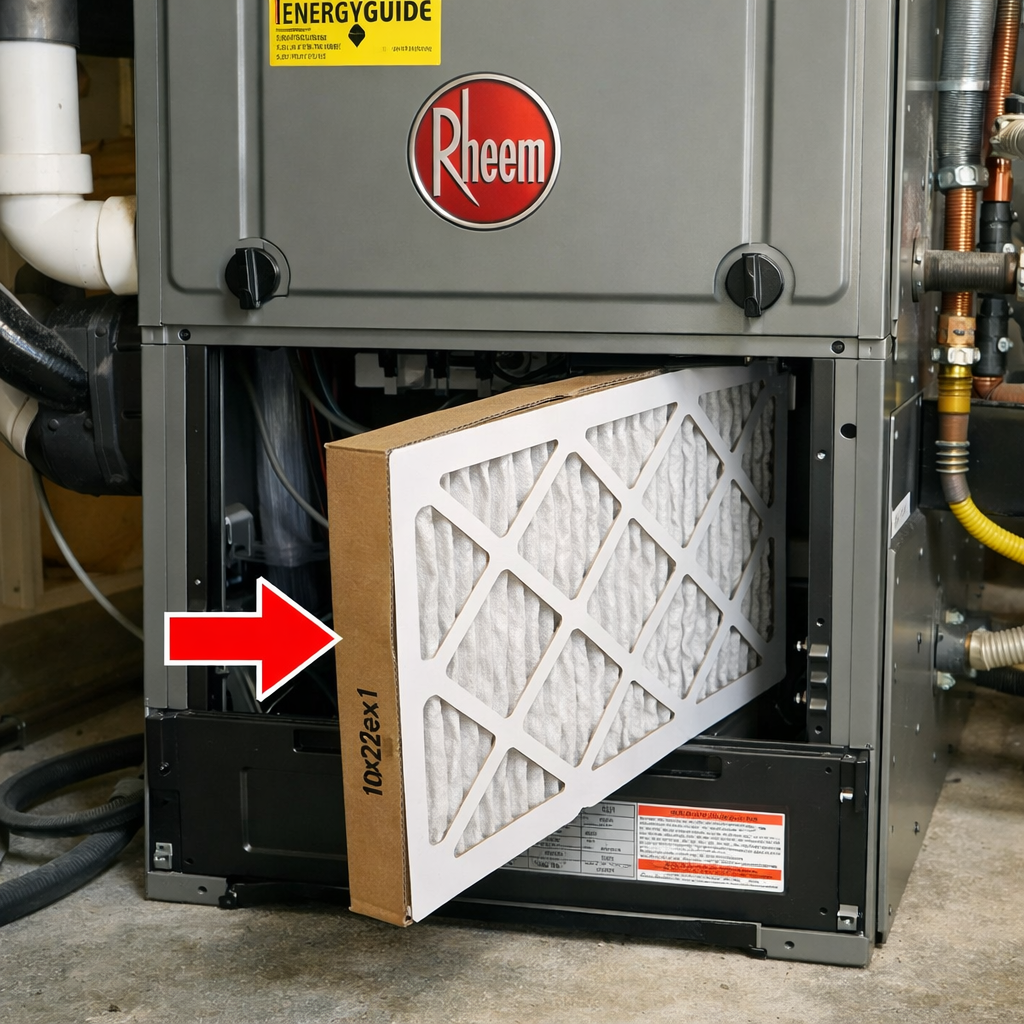
Your HVAC filter protects both your equipment and your indoor air. Its main job is to allow steady airflow while capturing dust and debris before they circulate through the system.
In Mingo Junction, many homes were built between the 1940s and 1970s. Basements are common, ductwork is often routed through lower levels, and many homes sit close to the Ohio River. These factors already challenge airflow. When a filter becomes dirty, problems surface quickly.
The Top Problems Caused by Dirty or Clogged HVAC Filters
Dirty HVAC Filters Cause Higher Energy Bills Without Better Comfort
When a filter clogs, airflow drops and the system must work harder just to move air.
The cause-and-effect is straightforward:
- Dirty filter restricts airflow
- Restricted airflow increases blower motor load
- Higher load increases run time and energy use
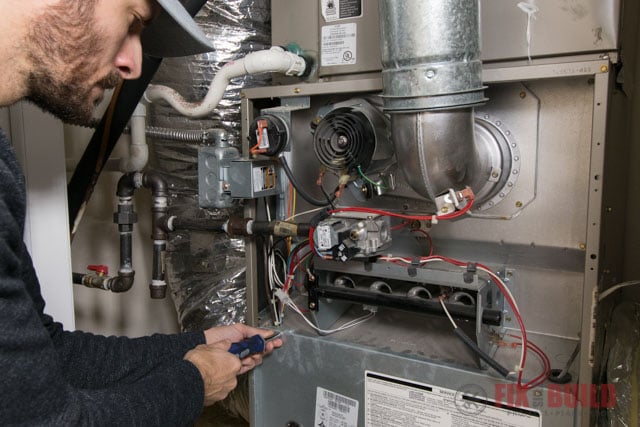
In a Mingo Junction home near Commercial Street, a furnace ran nearly nonstop during winter while parts of the house stayed cold. The equipment tested fine. The real issue was a clogged filter paired with a single basement return pulling damp, restricted air.
A local cost driver here is moisture. Homes closer to the river tend to load filters faster, increasing resistance sooner than homeowners expect.
Dirty HVAC Filters Cause Uneven Heating and Cooling
Dirty filters reduce air volume, not temperature.
Common symptoms include:
- Cold bedrooms in winter
- Warm upper floors in summer
- Damp or uncomfortable basements
This is common in Mingo Junction’s older two-story homes. When airflow is already limited by duct design, a clogged filter magnifies comfort issues throughout the house.
A common homeowner mistake is adjusting the thermostat repeatedly instead of correcting airflow, which increases system wear without fixing the problem.
Dirty HVAC Filters Shorten Equipment Life and Lead to Repairs
Restricted airflow is one of the fastest ways to damage HVAC equipment.
Dirty filters contribute to:
- Overheated furnaces
- Frozen air conditioning coils
- Blower motor failure
- Cracked heat exchangers caused by excess heat
In the Ohio Valley’s long heating season, these issues escalate quickly. What starts as a simple maintenance oversight often turns into a major repair.
This is why Honest Fix backs repair and maintenance work with our Service Trust Guardian, including a 5-year labor warranty, a 60-day money-back satisfaction guarantee, no overtime charges, and clear accountability.
Dirty HVAC Filters Cause Poor Indoor Air Quality
Once a filter is clogged, it can no longer trap airborne particles effectively.
This often leads to:
- Increased dust throughout the home
- Allergy or asthma flare-ups
- Musty odors from damp basements
- Pet dander and fine particles recirculating
In Mingo Junction, river moisture and basement returns make filter maintenance especially important for indoor air quality.
Dirty HVAC Filters Can Cause System Shutdowns
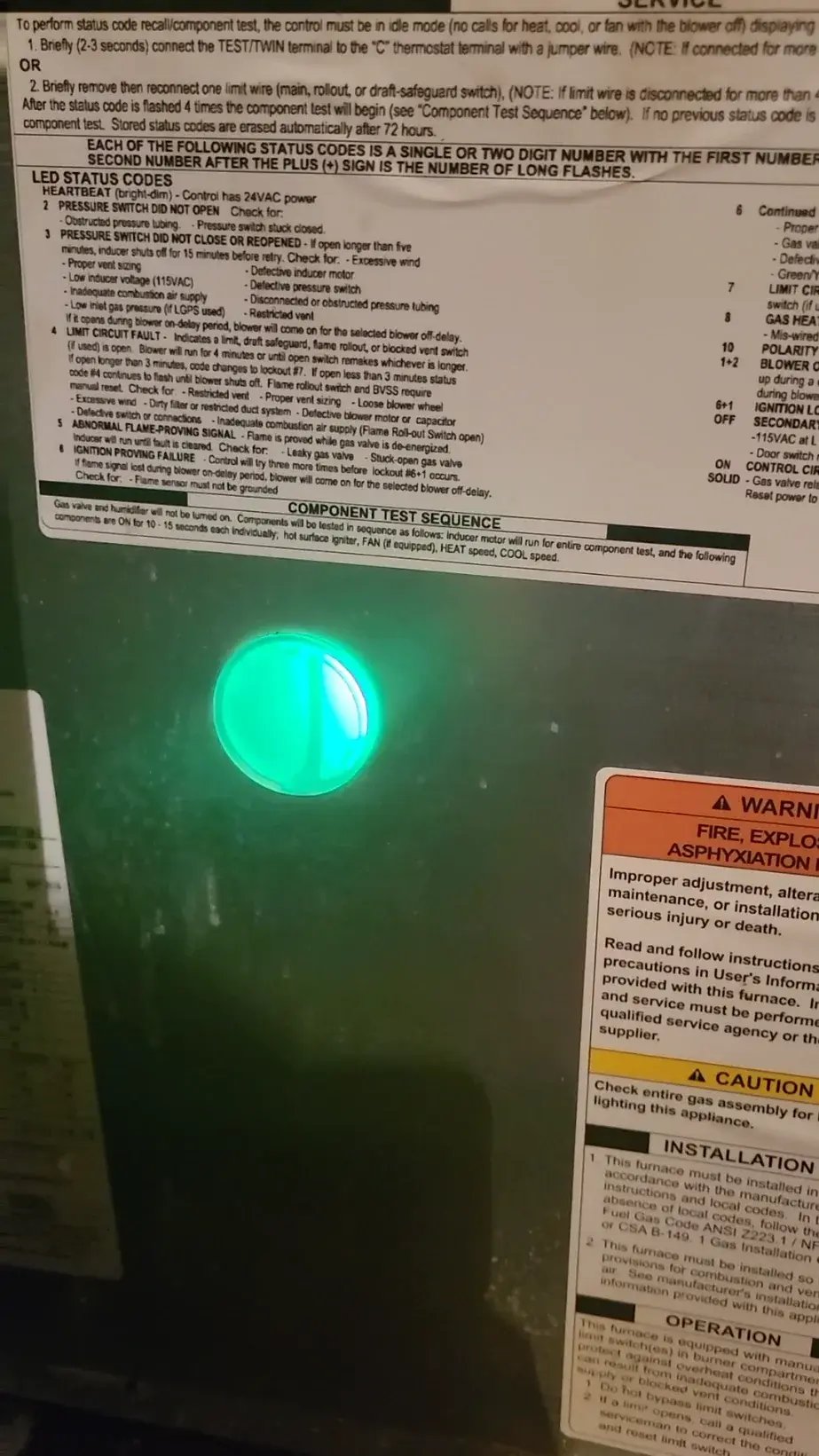
Modern HVAC systems include safety controls that shut the system down when airflow drops too low. Dirty filters are one of the most common triggers.
This can result in:
- No heat during winter cold snaps
- No air conditioning during summer heat waves
- Emergency service calls that could have been avoided
In Mingo Junction winters, these shutdowns often occur overnight during extended run cycles.
How to Tell If Your HVAC Filter Is Already Causing Damage
Check the filter first if you notice:
- Uneven heating or cooling
- Rising energy bills without explanation
- Longer system run times
- Weak airflow at vents
- Unexpected system shutdowns
Continuing to run the system under these conditions increases the risk of damage.
How Often Should HVAC Filters Be Changed in Mingo Junction Homes?
While every home is different, these guidelines work well locally:
- Standard 1-inch filters: every 1–3 months
- Homes with pets: every 30–45 days
- Older homes with basements: inspect monthly
- High-capacity media filters: typically every 6–12 months
Airflow determines timing, not the calendar. If the filter bows inward, looks gray, or whistles during operation, it is overdue.
Other Upper Ohio Valley Cities With the Same Filter Problems
We see the same issues in:
- Steubenville, OH
- Wintersville, OH
- Toronto, OH
- Brilliant, OH
- Weirton, WV
- Follansbee, WV
- Wellsburg, WV
- New Cumberland, WV
- Colliers, WV
Across the region, older homes, basements, and terrain all make airflow maintenance more important than many homeowners expect.
Common Misunderstandings About HVAC Filters
“A thicker filter is always better.”
High-rated filters can restrict airflow if the system is not designed for them.
“If air is coming out, the filter is fine.”
Air volume matters more than airflow sensation.
“Filters only affect air quality.”
Filters protect the HVAC system first. Comfort and air quality improvements follow.
Frequently Asked Questions About Dirty HVAC Filters
What Happens If I Don’t Change My HVAC Filter?
Restricted airflow leads to higher energy bills, uneven comfort, reduced indoor air quality, and early system failure. In Mingo Junction homes with basements and river moisture, these problems often appear sooner.
Can a Dirty HVAC Filter Damage My Furnace or Air Conditioner?
Yes. Dirty filters can overheat furnaces, freeze AC coils, and damage blower motors, leading to costly repairs or replacement.
How Do I Know If My HVAC Filter Is Clogged?
Weak airflow, rooms that never reach the thermostat setting, rising energy bills, frequent cycling, or sudden shutdowns are common signs. If the filter looks gray or bowed inward, it’s clogged.
How Often Should HVAC Filters Be Changed in Older Mingo Junction Homes?
Most older homes should inspect filters monthly and replace them every 1–3 months, especially if the home has a basement or limited return air.
Can the Wrong Filter Cause HVAC Problems?
Yes. Overly restrictive filters can cause the same issues as dirty ones if the system is not designed for high resistance.
What Should I Do First If My HVAC System Stops Working?
Before calling for emergency service, check the air filter first. A clogged filter is one of the most common causes of sudden HVAC shutdowns.
What Guarantees Do You Offer?
For repairs and maintenance, Honest Fix provides the Service Trust Guardian, including a 5-year labor warranty, a 60-day money-back satisfaction guarantee, no overtime charges, and on-time and clean-work guarantees.
For new installations, the Lifetime Trust Shield includes long-term labor coverage, a full money-back satisfaction guarantee, no-lemon protection, energy savings protection, and transferable coverage.
Final Thoughts for Mingo Junction Homeowners
Dirty HVAC filters quietly increase costs, strain equipment, and shorten system life. In Mingo Junction homes with basements, river moisture, and older duct layouts, this problem shows up faster and causes more damage than many homeowners expect.
If you care about long-term system reliability and clear answers, addressing airflow issues early matters.
Call Honest Fix today for a free exact quote.
Learn about our guarantees before you decide.
Alex Largent is the Owner and Senior HVAC Efficiency Analyst at Honest Fix Heating, Cooling & Plumbing. With more than 20 years of field experience, NATE and EPA certifications, and a hands-on leadership style, Alex teaches his team to fix systems right the first time — with transparency, precision, and no upsells. He writes about HVAC diagnostics, home energy efficiency, and practical maintenance advice for homeowners across the Upper Ohio Valley. Read Alex Largent’s full bio to learn more about his expertise in the HVAC and Plumbing industry. Updated October 2025.