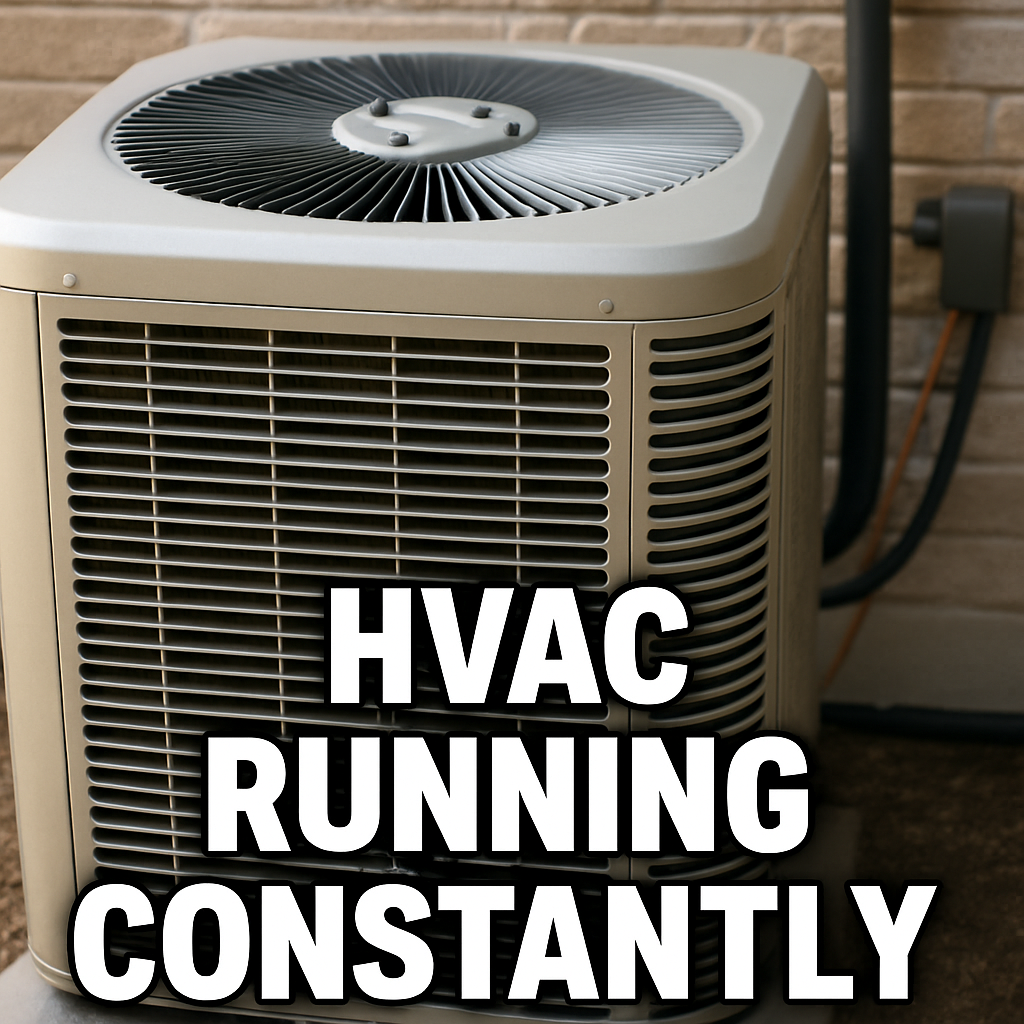
Why Is My HVAC Running Constantly Without Effective Results in Mingo Junction Homes
January 12th, 2026
4 min read
By Alex Largent
Quick Answer
If your HVAC is running constantly without effective results, it may be broken—but it can also mean airflow problems, heat loss, or incorrect system sizing are preventing the home from holding heating or cooling.
A Reality Check for Mingo Junction Homeowners
A system that runs nonstop is reacting to a problem—it isn’t always the problem itself.
In Mingo Junction homes, especially those built into hillsides or expanded over time, constant HVAC operation often leads homeowners to assume the equipment has failed. While failures do happen, many systems are operating but are being overwhelmed by how the home moves and loses air.
Replacing equipment without addressing the cause often results in the same issue returning.
When Constant Run Time Does Mean the HVAC Is Broken
It’s important to be clear and straightforward.
Your HVAC system may be broken if:
- It runs constantly and produces little or no heating or cooling
- It shuts down only on safety limits
- It makes abnormal mechanical or electrical noises
- A blower motor, compressor, refrigerant, or control failure has been confirmed
These situations require repair or replacement.
However, in Mingo Junction homes, nonstop run time is more often caused by performance overload, not total equipment failure.
What “Running Constantly” Actually Tells Us
Continuous run time usually means the system is chasing the thermostat but never catching up.
This happens when:
- Conditioned air cannot circulate evenly between levels
- Heat or cooling escapes faster than it’s produced
- The system lacks the capacity to overcome the home’s demands
Hillside construction and multi-level layouts in Mingo Junction make these conditions common.
Why This Problem Is So Common in Mingo Junction Homes
Many Mingo Junction homes were built before modern HVAC design standards and later adapted.
We frequently evaluate homes that:
- Sit on sloped terrain with split-level designs
- Have finished basements added years after construction
- Were converted from boiler or gravity heat
- Use older duct layouts paired with newer equipment
When HVAC systems are installed or replaced without correcting airflow and heat loss, constant run time is the predictable result. Many systems are replaced without checking these factors, which is why the problem often comes back.
The Most Common Reasons HVAC Systems Run Nonstop
Airflow Restrictions
An HVAC system cannot condition air it cannot move.
Common airflow problems include:
- Undersized or aging ductwork
- Limited return air from lower or upper levels
- Poorly balanced or blocked vents
Restricted airflow forces the system to run longer with limited comfort improvement.
Heat Loss and Insulation Gaps
HVAC systems don’t create comfort—homes hold it.
In Mingo Junction homes, we often find:
- Under-insulated attics
- Unsealed rim joists along basement walls
- Drafts near windows, doors, and stairwells
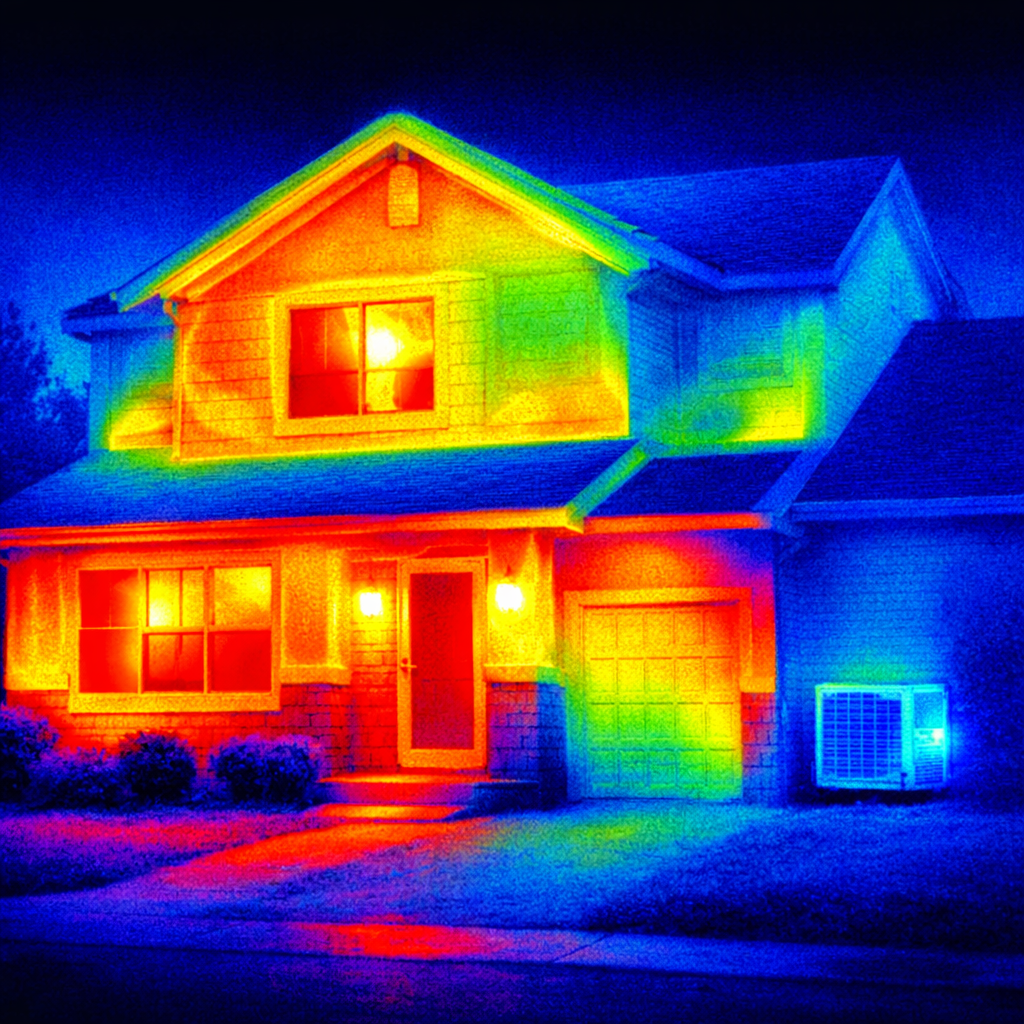
When conditioned air escapes, the system runs continuously without gaining ground.
Incorrect System Sizing
Undersized systems will run constantly and still fall behind.
This commonly happens when:
- Homes add living space
- Basements are used daily
- Replacement equipment matches the old system size
A system that’s too small doesn’t cycle—it grinds.
Thermostat Placement and Control Issues
The thermostat only reads temperature where it’s installed.
In many Mingo Junction homes, thermostats are:
- Located near staircases between levels
- Mounted on exterior walls
- Far from bedrooms or main living areas
This can keep the system running even when much of the home already feels comfortable.
Electrical or Control Limitations
Older electrical systems can affect HVAC performance.
We sometimes see:
- Delayed blower response
- Inconsistent control signals
- Wiring limitations that extend run times unnecessarily
A Real Mingo Junction Example
We evaluated a Mingo Junction home built into a hillside where the HVAC system ran nearly nonstop during winter.
What we found:
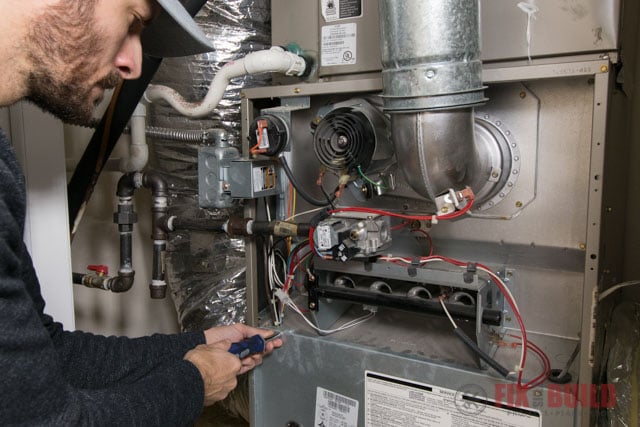
- A functioning furnace
- Limited return air from the lower level
- Significant heat loss through the upper floors and attic
The system wasn’t failing—it was being overwhelmed.
Once airflow balance and insulation issues were corrected, run times normalized without replacing the equipment.
A Common Mistake We See in Mingo Junction
Assuming nonstop operation automatically means the system needs replaced.
In Mingo Junction, many systems are replaced when airflow, insulation, or system balance is the real issue. Without addressing those factors, constant run time often returns.
How Honest Fix Solves This Differently
We evaluate the home and HVAC system as one system.
Our process includes:
- Airflow and duct evaluation
- Heat loss and insulation review
- Equipment performance testing
When repairs are needed, they’re protected by our Service Trust Guardian, which includes:
- 5-year labor warranty on repairs
- 60-day money-back satisfaction guarantee
- No overtime charges
If replacement is the right solution, our Lifetime Trust Shield includes:
- 15-year labor coverage
- 90-day full money-back guarantee
- No-lemon system protection
These guarantees are designed for real Ohio Valley homes—not assumptions.
Frequently Asked Questions About Constantly Running HVAC Systems
Is it normal for my HVAC system to run all the time?
Short periods during extreme weather can be normal. However, a system that runs nearly nonstop day after day is not operating as intended and usually indicates airflow, heat loss, sizing, or mechanical issues.
How can I tell if my HVAC is broken or just overwhelmed?
If the system runs constantly with little or no heating or cooling, shuts down on safety limits, or makes unusual noises, it may be broken.
If it produces conditioned air but never catches up, it’s often overwhelmed by airflow limits, insulation gaps, or multi-level layouts.
Can airflow problems really cause nonstop run time?
Yes. Airflow issues are one of the most common causes. Without proper air movement between levels, the system must run longer to achieve minimal comfort.
Does constant run time mean my system is undersized?
Sometimes. Undersized systems often run continuously and still fall behind, especially in hillside or split-level homes.
Could insulation or air leaks really affect my HVAC that much?
Absolutely. If heated or cooled air escapes faster than it’s produced, the system must keep running to compensate.
Is it bad for my HVAC system to run constantly?
Yes. Constant operation increases energy use, accelerates wear, and shortens system lifespan.
Will replacing my HVAC system automatically fix this problem?
Not always. Without correcting airflow, insulation, or sizing issues, the same problem often returns.
Can thermostat location cause longer run times?
Yes. Thermostats placed near staircases or exterior walls can keep systems running unnecessarily.
What guarantees do you offer?
- Service Trust Guardian
- 5-year labor warranty
- 60-day money-back guarantee
- No overtime charges
- Lifetime Trust Shield
- 15-year labor coverage
- 90-day full money-back guarantee
- No-lemon system protection
What should I do if my HVAC is running constantly right now?
Start with a professional evaluation that looks at both the system and the home before assuming replacement is necessary.
Final Takeaway
If your HVAC is running constantly without effective results, it may be broken—but more often it’s being overwhelmed by the home.
Correcting airflow, insulation, and system balance restores performance without guesswork.
Call Honest Fix today for a free exact quote. Learn about our guarantees before you decide.
Alex Largent is the Owner and Senior HVAC Efficiency Analyst at Honest Fix Heating, Cooling & Plumbing. With more than 20 years of field experience, NATE and EPA certifications, and a hands-on leadership style, Alex teaches his team to fix systems right the first time — with transparency, precision, and no upsells. He writes about HVAC diagnostics, home energy efficiency, and practical maintenance advice for homeowners across the Upper Ohio Valley. Read Alex Largent’s full bio to learn more about his expertise in the HVAC and Plumbing industry. Updated October 2025.