Why Is My HVAC Struggling During Colliers Heatwaves or Cold Snaps?
January 14th, 2026
4 min read
By Alex Largent
Quick Answer
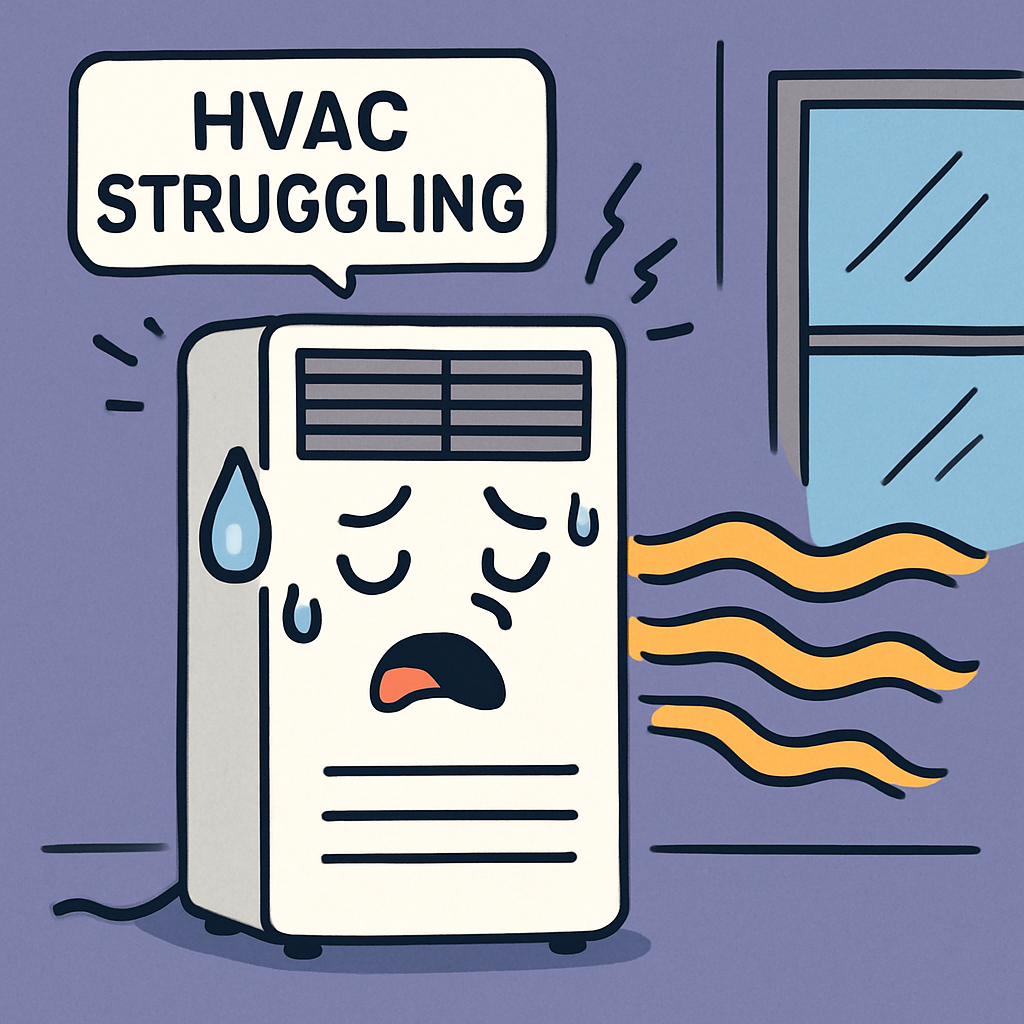
If your HVAC system struggles during Colliers heatwaves or cold snaps, it is usually because the system was designed for average temperatures, not extreme weather. Aging equipment, limited electrical capacity, basement moisture from rural and river-adjacent conditions, and airflow challenges from hillside and spread-out home layouts common in Colliers all make it harder for systems to keep up during temperature extremes.
Short Answer
HVAC systems struggle during Colliers heatwaves or cold snaps because they are built for normal conditions, not extremes. Hillside and rural homes with airflow and electrical limits feel this most.
When Struggling Is Normal vs When It’s a Problem
Not all struggling means failure. During extreme heat or cold, HVAC systems are expected to run longer.
- If your system runs continuously but stays close to the thermostat setting, that is normal.
- If indoor temperatures keep drifting farther away, airflow weakens, or rooms stop improving, that points to a performance or equipment issue.
Extreme weather exposes limits that are easy to miss during mild conditions.
Why Temperature Extremes Hit Colliers Homes Hard
HVAC systems are designed for stability, not record-setting weather.
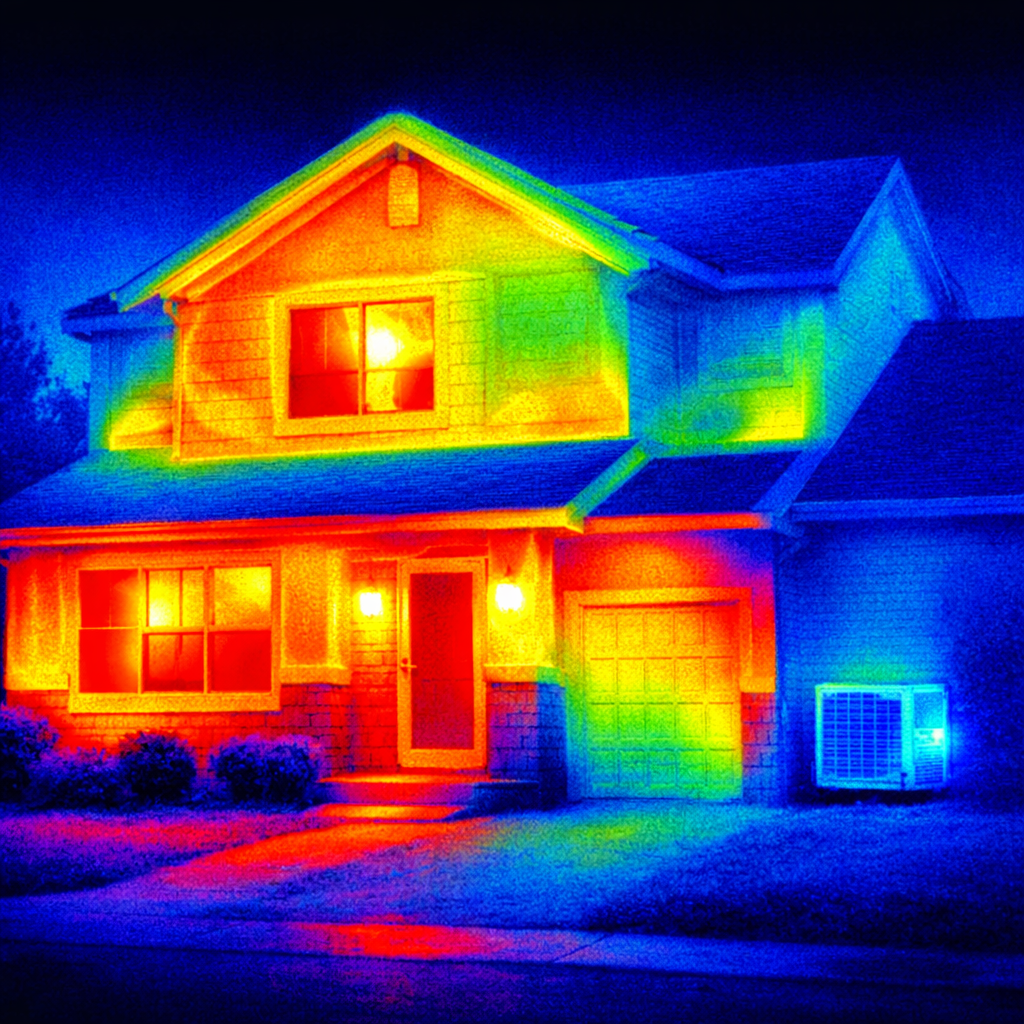
In Colliers, heatwaves and cold snaps quickly expose weaknesses tied to rural infrastructure and home layout.
Across Colliers, Wellsburg, Follansbee, Weirton, Hooverson Heights, New Cumberland, Steubenville, Wintersville, Toronto, Mingo Junction, Brilliant, and Weirton Heights, the same stress factors surface during extreme weather:
- Homes built from the 1940s through the 1990s
- Rural electrical service with limited capacity
- Basements prone to moisture and cooler ground temperatures
- Hillside or spread-out layouts with long duct runs
Homes set back from main roads or built into rolling terrain often feel temperature extremes more strongly.
What To Do First During a Heatwave or Cold Snap
The wrong reaction can make comfort worse.
- Keep thermostat settings steady
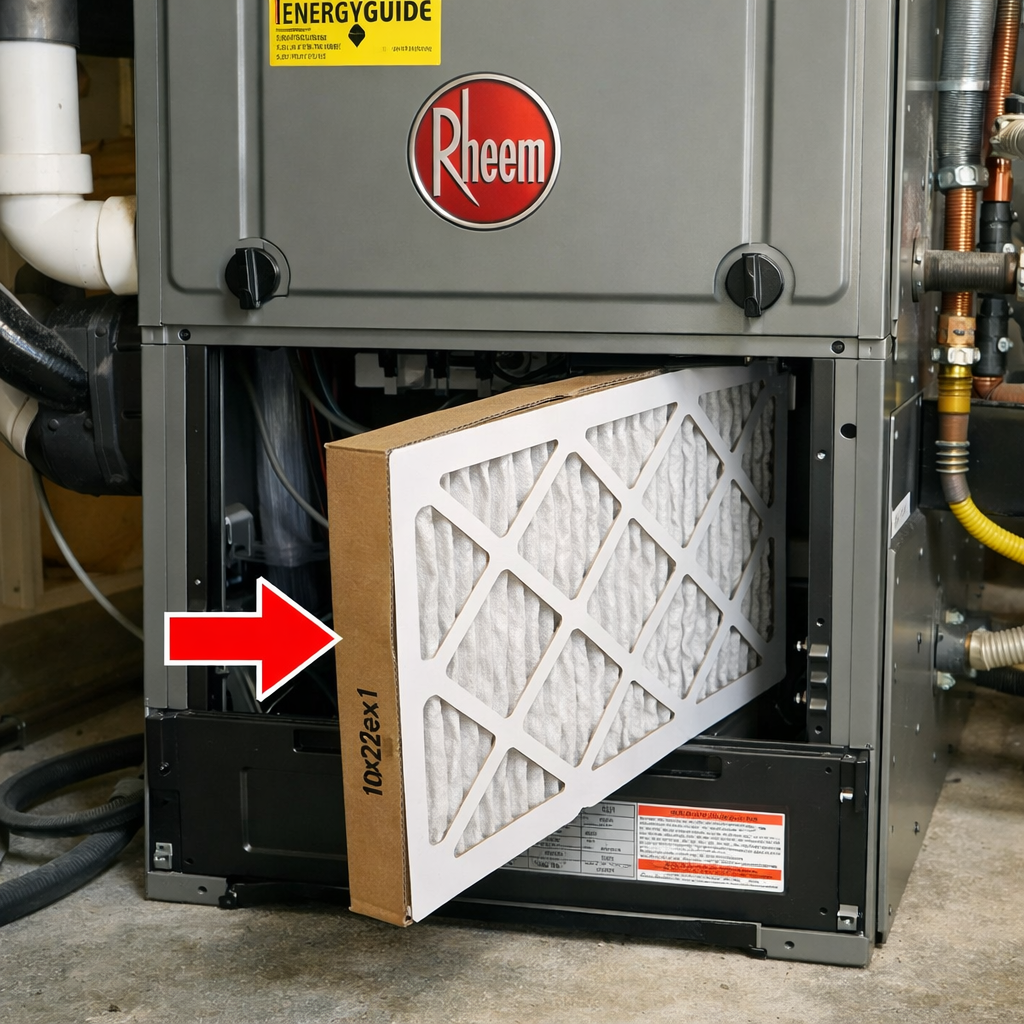
- Replace dirty air filters
- Make sure supply and return vents are not blocked
- Schedule a performance evaluation if comfort does not improve
Large thermostat adjustments increase stress without improving results.
A Real Colliers Example
A homeowner along Buffalo Road in Colliers lived in a late-1950s ranch-style home with a basement furnace and ductwork that had been extended over time to serve additions. During a summer heatwave, the air conditioner ran constantly, but parts of the home stayed warm and humid.
The system itself was operating properly. The real issues were long duct runs, limited airflow to added rooms, and voltage fluctuation from older rural electrical service. During average weather, the system kept up. During extreme heat, it could not overcome the added load.
The system was not broken — it was overwhelmed.
The same pattern appears during cold snaps when furnaces struggle to push heat evenly across longer distances.
Why Can’t My AC Keep Up During Colliers Heatwaves?
Extreme heat exposes airflow and electrical problems quickly.
Long or Overextended Duct Runs
Many Colliers homes have additions or spread-out layouts.
- Air must travel farther to reach all rooms
- Duct friction reduces cooling output
- Added rooms receive weaker airflow
Electrical Service Limitations
Rural electrical infrastructure can fluctuate under load.
- Voltage drops reduce compressor efficiency
- Systems lose capacity during peak demand
- Performance declines without a full breakdown
Basement Moisture
Cool, damp basements affect system performance.
- Humidity increases cooling demand
- Systems remove moisture before lowering temperature
- Comfort drops during prolonged heat
Is It Normal for My Furnace to Run Constantly During Cold Snaps?
Often, yes — but layout and infrastructure matter.
Heat Loss Through Basements and Floors
- Cooler ground temperatures pull heat away
- Basements stay colder in winter
- Furnaces run longer to recover heat
Equipment Sized for Average Conditions
- Most systems are sized for typical winter weather
- Long runtimes during extreme cold are normal
- Short heating cycles are unrealistic
Comfort depends on insulation and airflow.
Airflow Imbalance in Spread-Out Homes
- Rooms far from the furnace lag behind
- Added spaces heat last
- Closed doors worsen imbalance
What We Evaluate First During Heatwaves or Cold Snaps
Performance problems require diagnosis, not guesses.
Our evaluation focuses on:
- Actual temperature rise or drop per hour
- Static pressure and airflow balance
- Electrical voltage under operating load
- Basement moisture and duct leakage
- Equipment age compared to design limits
This approach avoids unnecessary repairs and targets real comfort improvements.
Colliers-Specific Cost Drivers During Extreme Weather
Extreme weather does not always mean system failure — but it does raise operating cost.
In Colliers, rural electrical service and spread-out home layouts often lead to:
- Longer system runtimes
- Higher energy usage during extremes
- Increased wear on HVAC components
Even when nothing is “broken,” operating costs rise during heatwaves and cold snaps.
Repair vs Performance Improvements
Not every struggling system needs replacement.
When Repairs Make Sense
- Mechanical components are failing
- The system shuts down or locks out
- Safety concerns exist
These repairs are often protected under Honest Fix’s Service Trust Guardian.
When Performance Improvements Matter More
- Comfort issues only during extreme weather
- Uneven temperatures across rooms
- Continuous runtime without breakdowns
Airflow balancing, electrical evaluation, or insulation improvements often deliver better results than replacement.
Who This Guidance Is For — And Who It Is Not
This information is for homeowners who want clear explanations and realistic expectations.
If you expect perfect comfort during record-setting weather without addressing airflow, electrical limits, or home layout, Honest Fix may not be the right fit. We focus on long-term performance, not promises that fail under pressure.
Why Online Advice Often Misses the Mark
Generic HVAC advice rarely accounts for:
- Colliers’ rural electrical infrastructure
- Spread-out home layouts
- Basement moisture
- Long duct runs
What works in newer subdivisions often fails in older Ohio Valley homes.
How Honest Fix Helps During Heatwaves and Cold Snaps
We focus on performance, not pressure.
Service Trust Guardian (Repairs and Maintenance)
- 5-year labor warranty on qualifying repairs
- No overtime charges during emergency conditions
- On-time arrival and clean work area guarantees
Lifetime Trust Shield (New Installations)
- Long-term labor protection
- No-lemon coverage for early failures
- Performance-focused system design
We offer these guarantees because extreme weather exposes weaknesses — and homeowners should not absorb unnecessary risk.
Frequently Asked Questions
Is it normal for my HVAC to run constantly during extreme weather?
Yes. Continuous operation is common when systems are functioning properly during extreme temperatures.
Should I adjust the thermostat more aggressively?
No. Large adjustments increase stress without improving comfort.
Can electrical issues really affect HVAC performance?
Yes. Voltage instability directly impacts HVAC capacity and efficiency.
What guarantees do you offer?
- Service Trust Guardian for repairs and maintenance
- Lifetime Trust Shield for new HVAC installations
Final Thoughts for Colliers Homeowners
Struggling during heatwaves or cold snaps does not automatically mean your HVAC system is failing.
In Colliers, Wellsburg, Follansbee, Weirton, Hooverson Heights, New Cumberland, Steubenville, Wintersville, Toronto, Mingo Junction, Brilliant, and Weirton Heights, rural infrastructure and home layout play a major role in comfort during extreme weather.
Honest Fix exists to explain the problem clearly, improve performance the right way, and stand behind the outcome.
Call Honest Fix today for a free exact quote.
Learn about our guarantees before you decide.
Alex Largent is the Owner and Senior HVAC Efficiency Analyst at Honest Fix Heating, Cooling & Plumbing. With more than 20 years of field experience, NATE and EPA certifications, and a hands-on leadership style, Alex teaches his team to fix systems right the first time — with transparency, precision, and no upsells. He writes about HVAC diagnostics, home energy efficiency, and practical maintenance advice for homeowners across the Upper Ohio Valley. Read Alex Largent’s full bio to learn more about his expertise in the HVAC and Plumbing industry. Updated October 2025.