Why Is My HVAC Struggling During Toronto Heatwaves or Cold Snaps?
January 14th, 2026
4 min read
By Alex Largent
Quick Answer
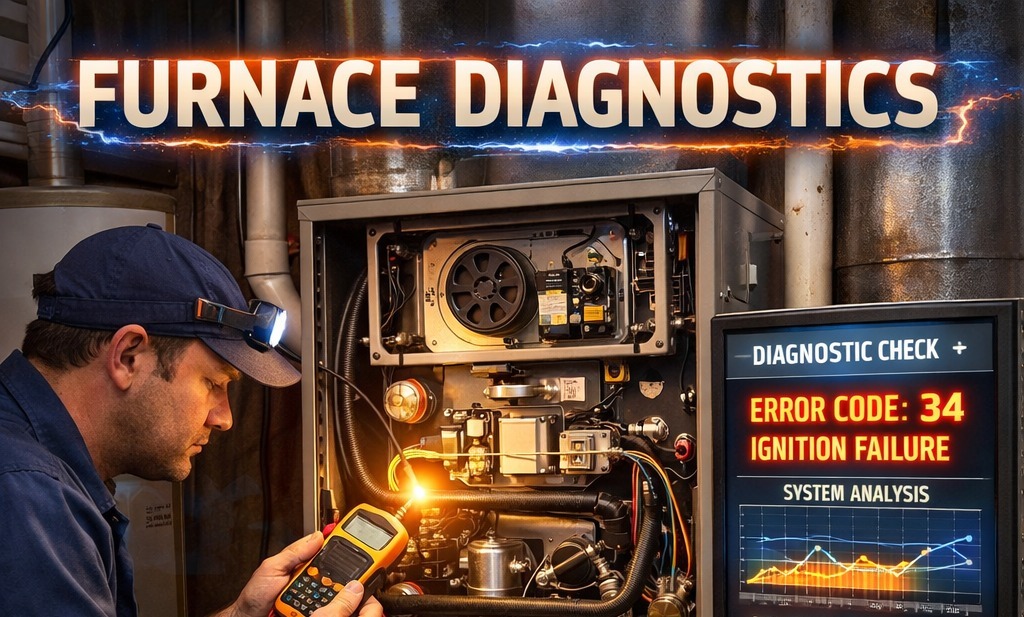
If your HVAC system struggles during Toronto heatwaves or cold snaps, it is usually because the system was designed for average temperatures, not extreme weather. Aging equipment, airflow limitations, older ductwork, electrical constraints, and insulation gaps common in Toronto homes make it harder for systems to keep up during temperature extremes.
Short Answer
HVAC systems struggle during Toronto heatwaves or cold snaps because they are built for normal conditions, not extremes. Older homes with airflow, insulation, or electrical limitations feel this most.
When Struggling Is Normal vs When It’s a Problem
Not all struggling means failure. During extreme heat or cold, HVAC systems are expected to run longer.
- If your system runs continuously but stays close to the thermostat setting, that is normal.
- If indoor temperatures keep drifting farther away, airflow weakens, or rooms stop improving, that points to a performance or equipment issue.
Extreme weather exposes limits that remain hidden during mild conditions.
Why Temperature Extremes Hit Toronto Homes Hard
HVAC systems are designed for consistency, not record-setting weather.
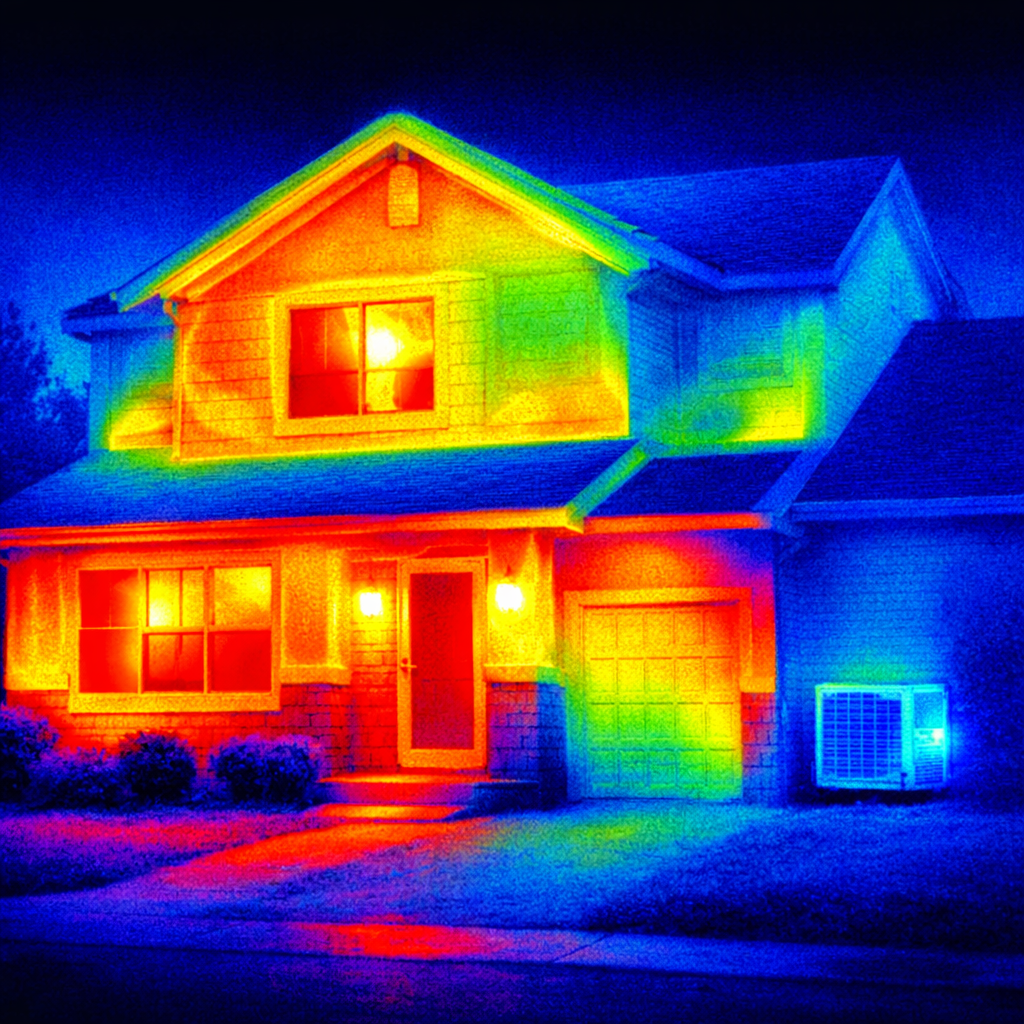
In Toronto, heatwaves and cold snaps quickly expose weaknesses in homes built long before modern HVAC design standards.
Across Toronto, Steubenville, Wintersville, Mingo Junction, Brilliant, Weirton, Follansbee, Wellsburg, New Cumberland, Colliers, Hooverson Heights, and Weirton Heights, the same stress factors surface during extreme weather:
- Homes built between the 1930s and 1980s
- Duct systems added or modified over decades
- Older electrical panels limiting equipment output
- Basements and attics that lose or trap heat
Older neighborhoods near the river and expanded homes with enclosed porches or additions in Toronto often experience the strongest comfort swings during extreme temperatures.
What To Do First During a Heatwave or Cold Snap
The wrong reaction can make comfort worse.
- Keep thermostat settings steady
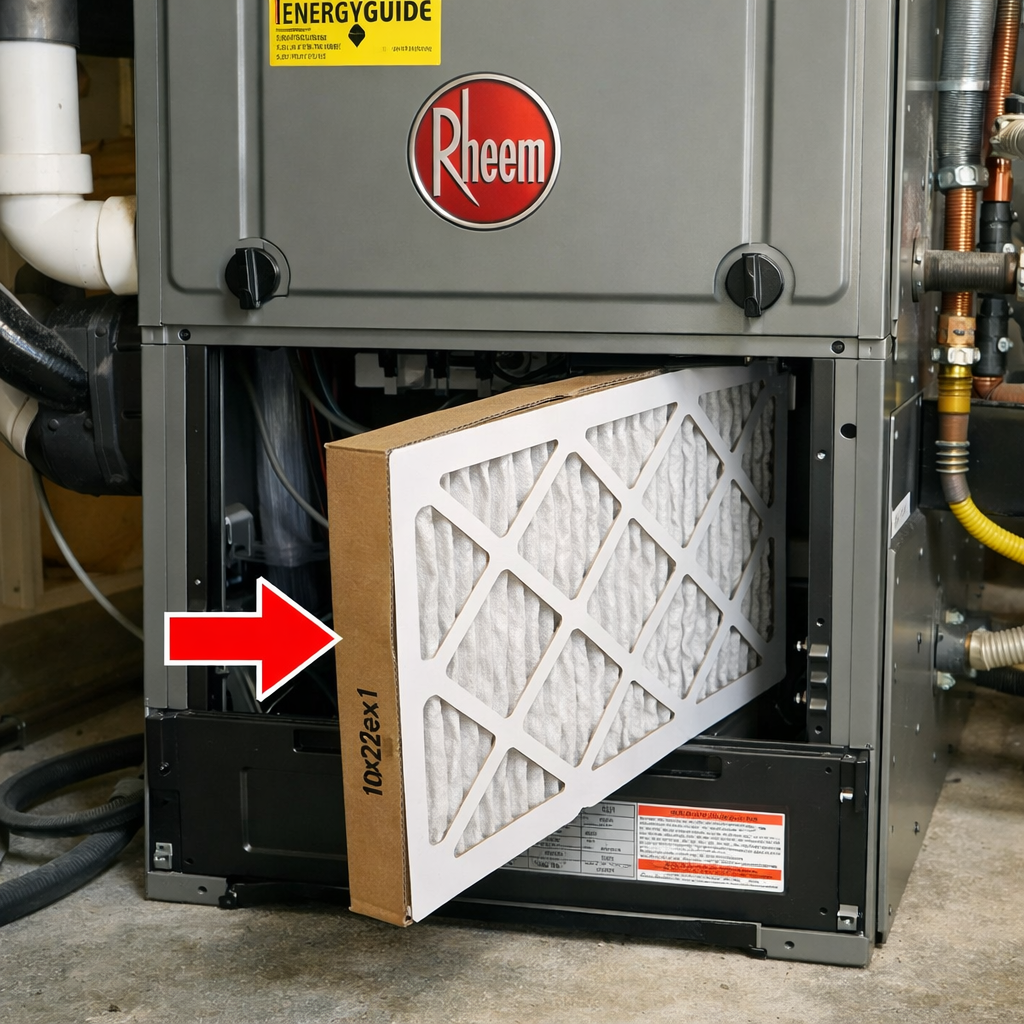
- Replace dirty air filters
- Make sure supply and return vents are not blocked
- Schedule a performance evaluation if comfort does not improve
Lowering or raising the thermostat aggressively does not force faster heating or cooling — it only increases system stress.
A Real Toronto Example
A homeowner near North Fourth Street in Toronto lived in a 1940s one-and-a-half-story home with a basement furnace and an enclosed back porch added years later. During a summer heatwave, the air conditioner ran constantly, but the home never reached the desired temperature.
The system itself was operating properly. The real issues were ductwork that had been extended for the addition without resizing and attic heat gain from minimal insulation. During average weather, the system kept up. During extreme heat, it simply could not overcome the added load.
The system was not broken — it was overwhelmed.
The same pattern appears during cold snaps when furnaces struggle to recover temperature overnight.
Why Can’t My AC Keep Up During Toronto Heatwaves?
Extreme heat exposes airflow and insulation problems quickly.
Undersized or Modified Ductwork
Many Toronto homes were not originally designed for central air.
- Ducts added later are often too small
- Additions receive weak airflow
- Long duct runs reduce cooling capacity
Attic Heat Gain
Older homes frequently lack adequate attic insulation.
- Attics trap heat above living space
- Cooling systems must offset constant heat transfer
- Upper levels feel warmer than expected
Electrical Limitations
Older electrical panels reduce system performance during peak demand.
- Voltage drops reduce compressor efficiency
- Systems struggle during the hottest hours
- Performance declines without a full breakdown
Is It Normal for My Furnace to Run Constantly During Cold Snaps?
Often, yes — but context matters.
Heat Loss Through Walls and Basements
- Older insulation allows heat to escape
- Basements and rim joists leak cold air
- Furnaces run longer without gaining ground
Equipment Sized for Average Conditions
- Most systems are sized for regional averages, not record lows
- Long runtimes during extreme cold are normal
- Short heating cycles are unrealistic
Comfort depends heavily on home efficiency.
Airflow Imbalance
- Rooms far from the furnace lag behind
- Upper floors feel cooler
- Closed doors worsen imbalance
What We Evaluate First During Heatwaves or Cold Snaps
Performance issues require diagnosis, not guesses.
When evaluating a struggling system, we start with:
- Actual temperature rise or drop per hour
- Static pressure and airflow balance
- Electrical voltage under operating load
- Duct leakage and attic conditions
- Equipment age compared to design limits
This prevents unnecessary part replacement and focuses on long-term performance.
Toronto-Specific Cost Drivers During Extreme Weather
Extreme weather does not always mean system failure — but it does raise operating cost.
In Toronto, older homes often experience higher energy usage during heatwaves and cold snaps due to:
- Insulation gaps
- Duct leakage
- Added square footage from past renovations
Even when nothing is “broken,” longer runtimes increase wear and utility costs.
Repair vs Performance Improvements
Not every struggling system needs replacement.
When Repairs Make Sense
- Mechanical components are failing
- The system shuts down or locks out
- Safety concerns exist
These repairs are often covered under Honest Fix’s Service Trust Guardian.
When Performance Improvements Matter More
- Comfort issues only during extreme weather
- Large temperature differences between rooms
- Continuous runtime without breakdowns
Airflow balancing, insulation improvements, or system redesign often deliver better results than replacement.
Who This Guidance Is For — And Who It Is Not
This information is for homeowners who want clear explanations and realistic expectations.
If you expect perfect comfort during record-setting weather without addressing airflow, insulation, or system limitations, Honest Fix may not be the right fit. We focus on long-term performance, not promises that fail during extremes.
Why Online Advice Often Misses the Mark
Generic HVAC advice rarely accounts for:
- Toronto’s older housing stock
- Home additions and modified duct systems
- Basement-based equipment
- River-adjacent construction
What works in newer developments often fails in older Ohio Valley homes.
How Honest Fix Helps During Heatwaves and Cold Snaps
We focus on performance, not pressure.
Service Trust Guardian (Repairs and Maintenance)
- 5-year labor warranty on qualifying repairs
- No overtime charges during emergency conditions
- On-time arrival and clean work area guarantees
Lifetime Trust Shield (New Installations)
- Long-term labor protection
- No-lemon coverage for early failures
- Performance-focused system design
We offer these guarantees because extreme weather exposes weaknesses — and homeowners should not absorb unnecessary risk.
Frequently Asked Questions
Is it normal for my HVAC to run constantly during extreme weather?
Yes. Continuous operation is common when systems are functioning properly during extreme temperatures.
Should I adjust the thermostat more aggressively?
No. Large adjustments increase stress without improving performance.
Can airflow improvements really help?
Yes. In many Toronto homes, airflow improvements provide the biggest comfort gains.
What guarantees do you offer?
- Service Trust Guardian for repairs and maintenance
- Lifetime Trust Shield for new HVAC installations
Final Thoughts for Toronto Homeowners
Struggling during heatwaves or cold snaps does not automatically mean your HVAC system is failing.
In Toronto, Steubenville, Wintersville, Mingo Junction, Brilliant, Weirton, Follansbee, Wellsburg, New Cumberland, Colliers, Hooverson Heights, and Weirton Heights, home design plays a major role in comfort during temperature extremes.
Honest Fix exists to explain the problem clearly, improve performance the right way, and stand behind the outcome.
Call Honest Fix today for a free exact quote.
Learn about our guarantees before you decide.
Alex Largent is the Owner and Senior HVAC Efficiency Analyst at Honest Fix Heating, Cooling & Plumbing. With more than 20 years of field experience, NATE and EPA certifications, and a hands-on leadership style, Alex teaches his team to fix systems right the first time — with transparency, precision, and no upsells. He writes about HVAC diagnostics, home energy efficiency, and practical maintenance advice for homeowners across the Upper Ohio Valley. Read Alex Largent’s full bio to learn more about his expertise in the HVAC and Plumbing industry. Updated October 2025.