Why Does My HVAC System Smell Musty, Burning, Or Like Gas In Steubenville Homes?
January 6th, 2026
3 min read
By Alex Largent
Quick Answer
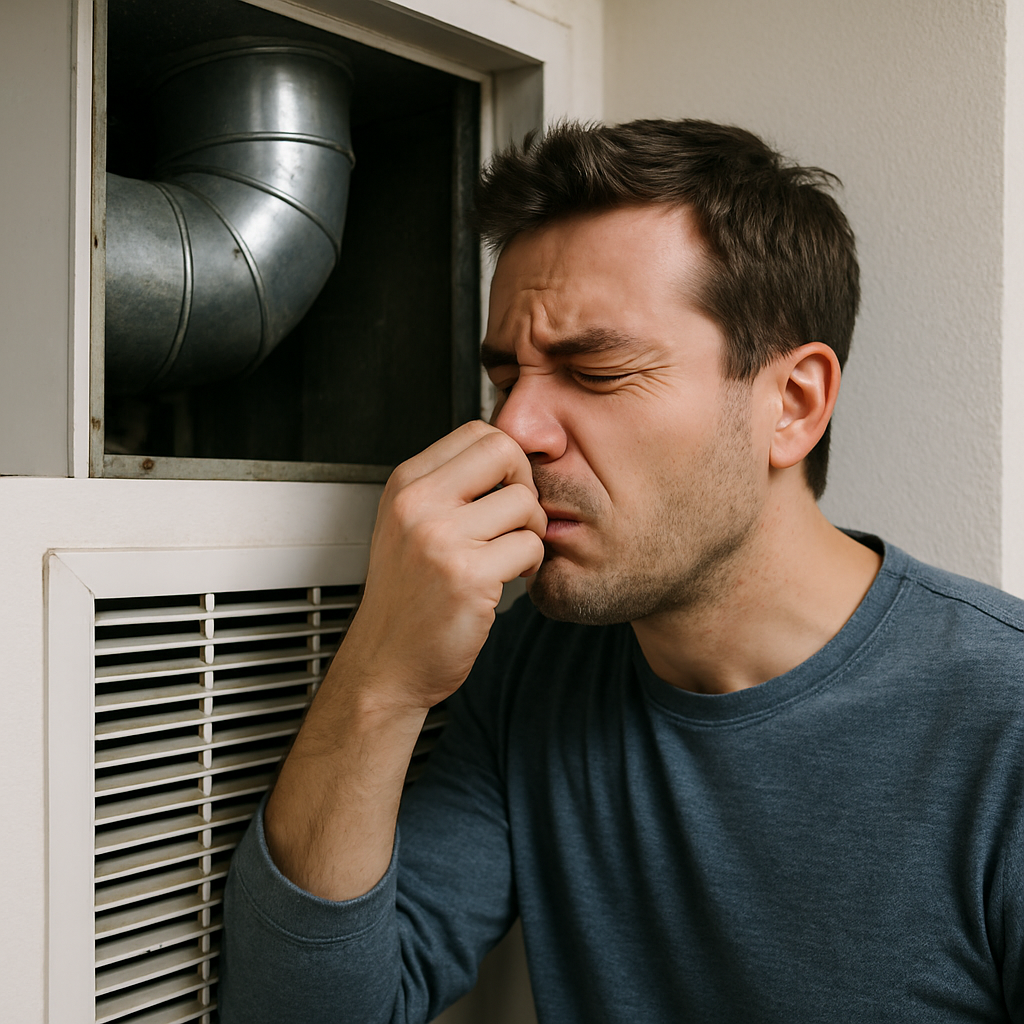
Unusual HVAC smells are most often caused by moisture buildup, dust or electrical components overheating, or fuel-related issues. In older Steubenville homes with basements and multi-level layouts, these smells often point to airflow, drainage, or safety problems that should be addressed rather than ignored.
Why HVAC Smells Are So Common In Steubenville Homes
Strange HVAC smells are rarely random—and they’re rarely something to ignore.
Steubenville has a high number of older homes with basements, hillside construction, and HVAC systems that have been updated in stages over several decades. That combination makes odor-related issues far more common here than many homeowners expect.
We see this most often in homes built between the 1940s and 1980s, where moisture control, ventilation, and electrical systems never fully caught up with newer HVAC equipment. This does not automatically mean you need a new system. Most odor issues are fixable once the source is identified.
HVAC Smells At A Glance: What They Usually Mean
Not all smells carry the same level of risk.
- Musty or moldy → Moisture or airflow issue → Usually not urgent, but should be corrected
- Light burning at startup → Dust burning off → Often normal at first use
- Strong or ongoing burning → Electrical or mechanical issue → Shut the system down
- Gas or rotten egg → Fuel or combustion issue → Leave the home and call immediately
This quick breakdown helps homeowners know when to monitor and when to act.
What Different HVAC Smells Typically Indicate
Musty Or Moldy Smells
A musty smell almost always points to moisture.
In Steubenville homes, this is commonly caused by:
- Damp basement air being pulled into return ducts
- Clogged or slow condensate drains
- Dirty evaporator coils
- Weak airflow that allows moisture to linger
This is very common in hillside homes with older basements. While musty smells are not usually an emergency, they should never be dismissed—especially if the smell is coming from vents rather than just the basement itself.
Burning Smells When The System Starts
A brief burning smell at startup can be normal. A strong or lasting one is not.
Common causes include:
- Dust burning off heat exchangers at the start of heating season
- Dirty electric heat strips
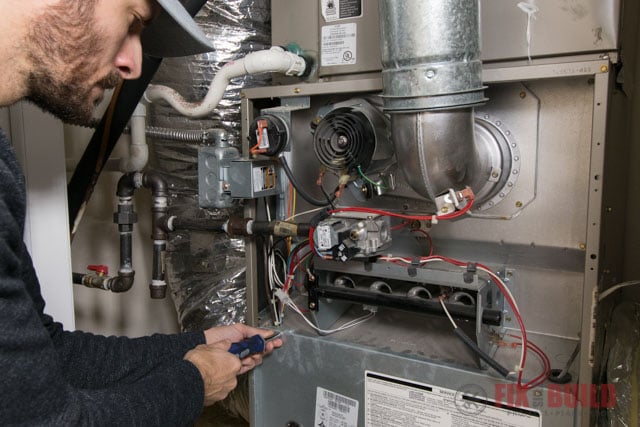
- Overheated motors or wiring
If the smell fades quickly, it is usually harmless. If it continues, the system should be turned off and checked.
Electrical Or “Hot Plastic” Smells
This type of smell should never be ignored.
It is often linked to:
- Overheated blower motors
- Failing capacitors
- Aging electrical connections
- Older electrical panels struggling with modern HVAC loads
Many Steubenville homes still rely on older electrical infrastructure, which increases the importance of addressing this smell quickly.
Gas Or Rotten Egg Smells
Gas odors are never normal.
Possible causes include:
- Gas leaks at fittings or valves
- Cracked heat exchangers
- Improper combustion or venting
If you smell gas:
- Turn the system off
- Leave the home
- Call your gas provider or a qualified professional immediately
Safety always comes first.
What Not To Do When Your HVAC Smells
Masking the smell does not solve the problem.
Avoid:
- Spraying air fresheners into vents
- Ignoring recurring odors
- Assuming a newer system cannot have issues
- Resetting breakers repeatedly after a burning smell
Odors are warning signs. Hiding them often leads to larger repairs later.
A Real Steubenville Example We See Often
Home: 1950s brick home near Sunset Boulevard
Layout: Basement, main living floor, second-floor bedrooms
Issue: Musty smell every time the air conditioner ran
What we found:
- Damp basement air being pulled into return ductwork
- A partially clogged condensate drain
- A dirty evaporator coil
The HVAC system itself was not failing. Moisture and airflow issues were feeding the odor into the home.
A Cost Driver Unique To Steubenville Homes
Basements and hillside construction add complexity to odor-related repairs.
In Steubenville, correcting HVAC smells often involves:
- Moisture management
- Drainage corrections
- Duct sealing or balancing
- Electrical safety inspections
The cost is typically driven by access and underlying conditions—not by replacing equipment unnecessarily.
How HVAC Odor Problems Are Diagnosed And Fixed
The solution depends entirely on the smell and where it originates.
Diagnosis follows:
- Airflow paths
- Moisture sources
- Electrical load checks
- Combustion and venting inspections
Fixes may include cleaning coils and drains, sealing ducts, improving airflow, repairing electrical components, or correcting combustion issues. Guessing is never part of the process.
Frequently Asked Questions
Should I shut my system off if it smells?
- Yes for gas or strong electrical burning smells
- No for brief startup smells, but monitor closely
- Call if the smell repeats or worsens
Are HVAC smells dangerous?
Some are harmless. Burning and gas smells can be serious and should always be checked.
Will replacing my HVAC system eliminate smells?
Not always. If moisture, airflow, or electrical issues remain, odors can return even with new equipment.
What guarantees do you offer?
We protect homeowners with:
- Service Trust Guardian for repairs and maintenance
- Lifetime Trust Shield for new installations
These guarantees focus on safety, accountability, and long-term confidence.
What To Do Next
If your HVAC system smells musty, burning, or like gas, it is telling you something—and guessing is not the answer.
Call Honest Fix today for a free exact quote.
If you want to review our guarantees before deciding, we will walk you through them clearly—no pressure, no games.
Alex Largent is the Owner and Senior HVAC Efficiency Analyst at Honest Fix Heating, Cooling & Plumbing. With more than 20 years of field experience, NATE and EPA certifications, and a hands-on leadership style, Alex teaches his team to fix systems right the first time — with transparency, precision, and no upsells. He writes about HVAC diagnostics, home energy efficiency, and practical maintenance advice for homeowners across the Upper Ohio Valley. Read Alex Largent’s full bio to learn more about his expertise in the HVAC and Plumbing industry. Updated October 2025.