Why Is My HVAC Unit Vibrating Excessively in New Cumberland, West Virginia Homes?
January 18th, 2026
3 min read
By Alex Largent
Quick Answer
An HVAC unit vibrates excessively when internal components are loose, worn, or out of balance, or when the system is installed on uneven ground. In New Cumberland homes, vibration is often caused by older basements, hillside terrain near the Ohio River, and duct systems that transfer shaking through floors and walls. Excessive vibration should be checked early to prevent motor, electrical, or compressor damage.
Why HVAC Vibration Is Common in New Cumberland Homes
Vibration is information—not something to ignore.
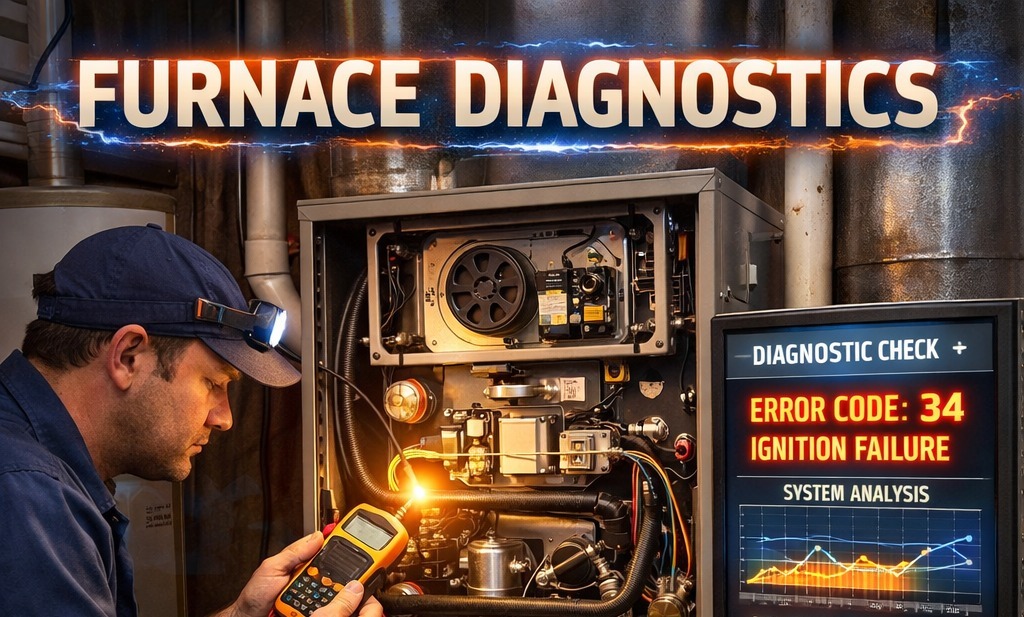
A properly operating HVAC system should run smoothly. When you feel shaking through floors, hear rattling in walls, or see the unit visibly move, something mechanical is wrong.
In New Cumberland, vibration issues are common because many homes:
- Were built mid-century along river-adjacent hills
- Have basement-installed furnaces sitting directly on older concrete slabs
- Sit on sloped terrain where soil shifts with moisture and freeze/thaw cycles
- Use duct systems that were added or modified decades after construction
When vibration continues, stress transfers into motors, bearings, refrigerant lines, and electrical connections.
The 5 Most Common Reasons HVAC Units Vibrate Excessively
1. Loose or Unbalanced Blower Components
This is the most common indoor source of vibration.
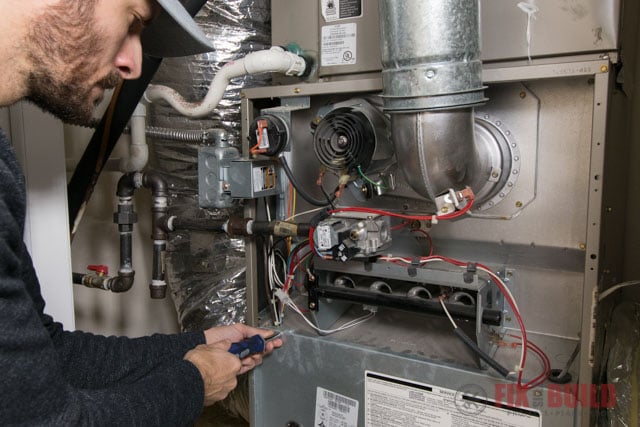
The blower wheel inside your furnace or air handler spins at high speed. If it’s dirty, bent, or slipping on the shaft, vibration develops quickly.
Common New Cumberland–specific factor:
- Long-term airflow restriction from older duct layouts and limited return air
Typical signs:
- Rhythmic shaking
- Vibration that increases during startup or speed changes
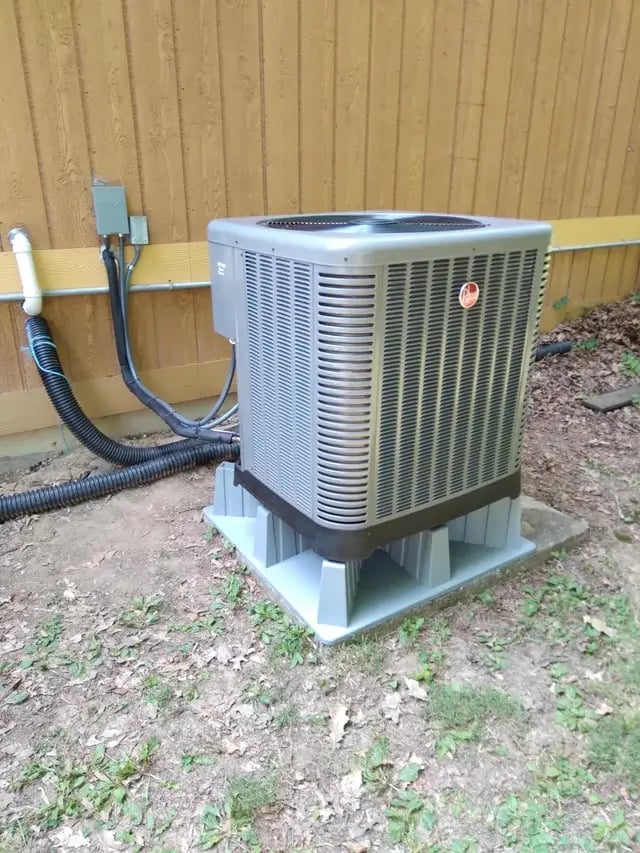
2. Outdoor Unit Sitting on Uneven or Shifting Ground
Very common in hillside neighborhoods.
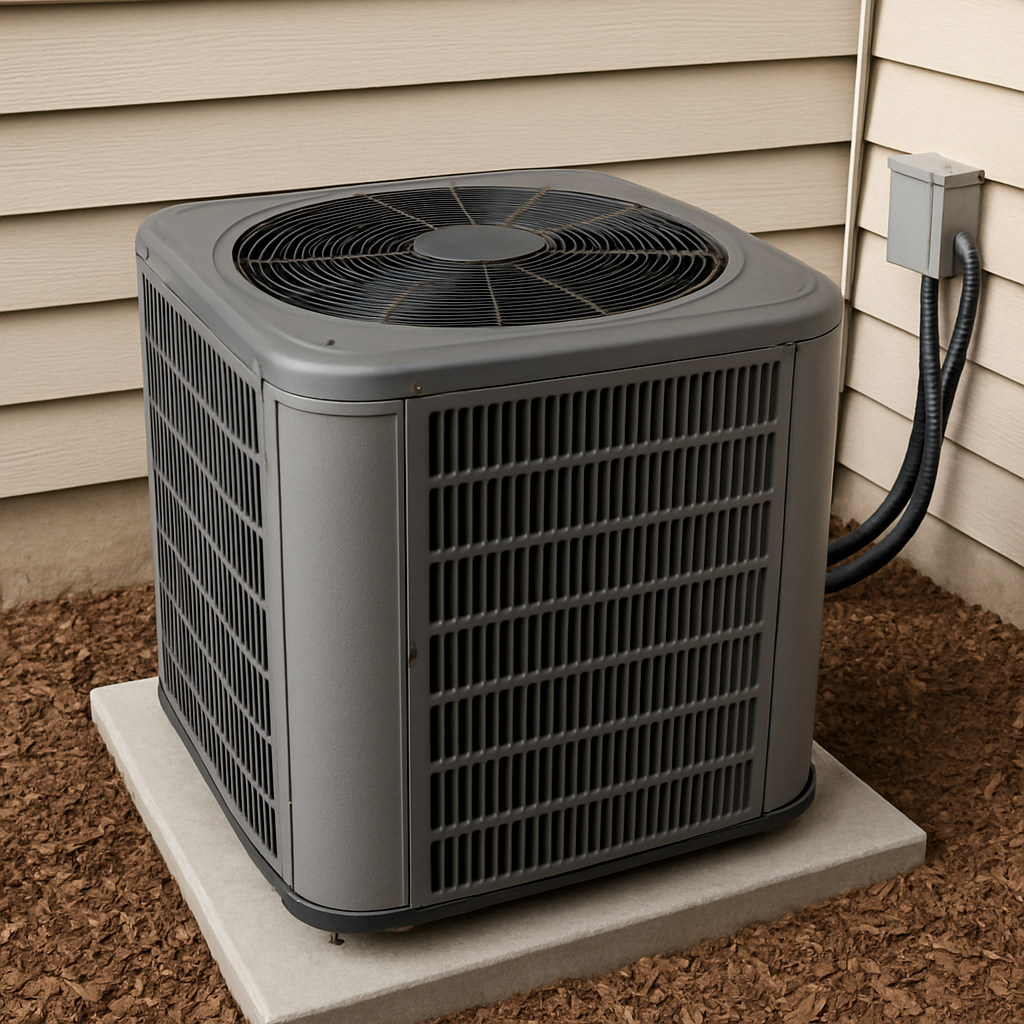
Outdoor AC units often sit on:
- Aging concrete pads
- Gravel or soil bases affected by moisture
- Areas influenced by freeze/thaw cycles
When the unit goes out of level, the compressor vibrates against its mounts.
Neighborhood-specific issue:
- Sloped lots in New Cumberland gradually settle, shifting outdoor units over time
3. Loose Panels, Refrigerant Lines, or Electrical Whips
Small attachment points can cause house-wide vibration.
Common culprits:
- Access panels not secured tightly
- Copper refrigerant lines touching framing
- Electrical conduit rattling against joists or siding
A common homeowner mistake is assuming this noise is “just how older homes sound.”
4. Ductwork Acting Like a Resonator
Older duct systems amplify vibration instead of absorbing it.
In many New Cumberland basements, ductwork:
- Runs long distances without isolation supports
- Was installed or altered multiple times over decades
- Is undersized for modern airflow demands
Once vibration enters the duct system, it spreads throughout the home.
5. Failing Motor or Compressor Bearings
This is the most serious vibration cause.
If vibration sounds harsh, metallic, or constant, internal bearings may be wearing out.
Local cost driver:
- Moisture exposure and electrical stress accelerating motor wear
At this stage, vibration is no longer a nuisance—it’s a warning.
Is It Dangerous If My HVAC Unit Vibrates?
Yes, when vibration continues.
Ongoing vibration can lead to:
- Motor failure
- Refrigerant line leaks
- Electrical connection damage
- Compressor breakdown
Not every vibrating system needs replacement—but none should be ignored.
What HVAC Vibration Patterns Mean
If your HVAC vibration:
- Gets worse over time → internal wear is likely
- Happens at startup or shutdown → balance or mounting issue
- Is felt through floors or walls → duct or foundation transfer
- Sounds metallic or grinding → bearing or motor failure risk
These patterns help determine urgency.
What Does It Usually Cost to Fix HVAC Vibration?
Most vibration issues are manageable when caught early.
Typical outcomes:
- Tightening, isolation, leveling, or damping → lower-cost service
- Blower motor repair or replacement → moderate investment
- Compressor-related vibration → system-age dependent decision
Delay is the biggest cost driver.
A Real New Cumberland Example
We recently helped a homeowner in a 1950s two-story home in New Cumberland. The furnace sat directly on an uneven basement slab, and the main duct trunk ran unsupported across floor joists.
The homeowner told us:
“It’s always rattled a bit, so I assumed it was normal.”
What we found:
- A blower wheel slightly out of balance
- Duct vibration transferring into the floor system
- Early electrical wear caused by constant shaking
Correcting the vibration early prevented a motor failure.
Where We See This Problem Most Around New Cumberland
Based on housing density and service history, excessive HVAC vibration is common in:
- New Cumberland, WV
- Weirton, WV
- Hooverson Heights, WV
- Weirton Heights, WV
- Wellsburg, WV
- Follansbee, WV
- Steubenville, OH
- Wintersville, OH
- Toronto, OH
- Mingo Junction, OH
These communities share older housing stock, basements, hillside terrain, and aging infrastructure.
Common Misconceptions About HVAC Vibration
“It’s just an old system.”
Age doesn’t cause vibration—mechanical imbalance does.
“If it’s heating or cooling, it’s fine.”
Vibration shortens equipment life even when comfort seems normal.
“Adding weight will stop the noise.”
This often increases internal stress.
When to Call a Professional vs. Monitor
Call a professional if:
- Vibration is new or worsening
- The unit visibly shakes
- Noise travels through floors or walls
- The outdoor unit has shifted or sunk
Monitoring only makes sense after a professional confirms no damage.
What Guarantees Protect You If We Work on It?
For repairs and service, vibration-related work is protected by our Service Trust Guardian, including:
- 5-year labor warranty on repairs
- No overtime charges
- Clean work area guarantee
- On-time arrival accountability
If vibration leads to system replacement, new installations are protected by our Lifetime Trust Shield, which includes:
- Lifetime labor coverage on qualifying systems
- No-lemon protection
- Energy performance guarantees
These protections are among the strongest available in the Ohio Valley.
Bottom Line
HVAC vibration is a warning sign—not something to live with.
Handled early, it’s usually straightforward to fix. Ignored, it often becomes expensive.
Call Honest Fix today for a free exact quote.
Learn about our guarantees before you decide.
Alex Largent is the Owner and Senior HVAC Efficiency Analyst at Honest Fix Heating, Cooling & Plumbing. With more than 20 years of field experience, NATE and EPA certifications, and a hands-on leadership style, Alex teaches his team to fix systems right the first time — with transparency, precision, and no upsells. He writes about HVAC diagnostics, home energy efficiency, and practical maintenance advice for homeowners across the Upper Ohio Valley. Read Alex Largent’s full bio to learn more about his expertise in the HVAC and Plumbing industry. Updated October 2025.