What Are the Signs of Electrical Issues in an HVAC System in Colliers Homes?
January 17th, 2026
3 min read
By Alex Largent
Quick Answer
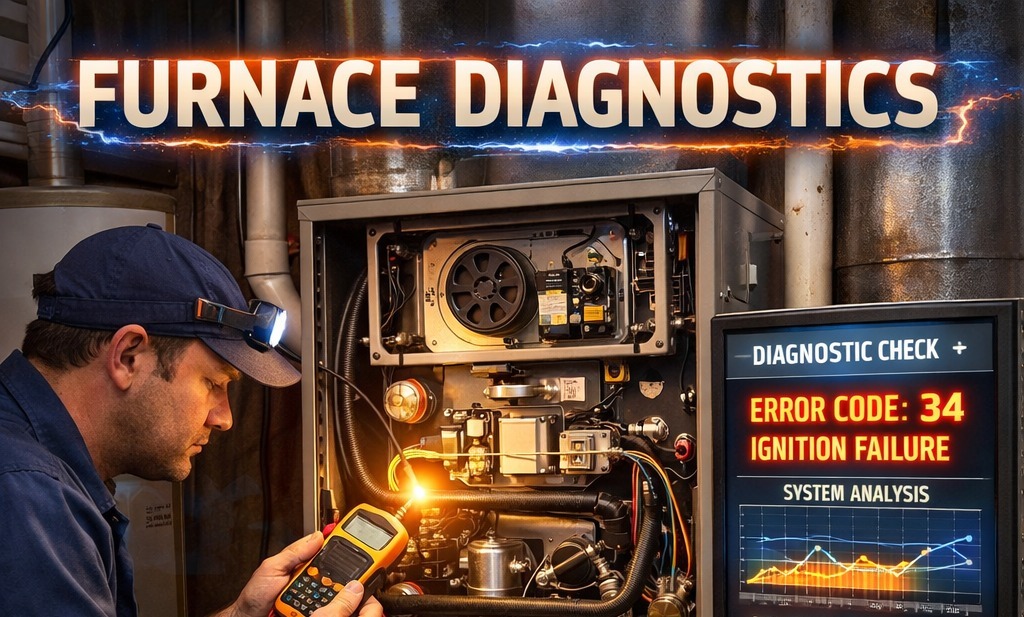
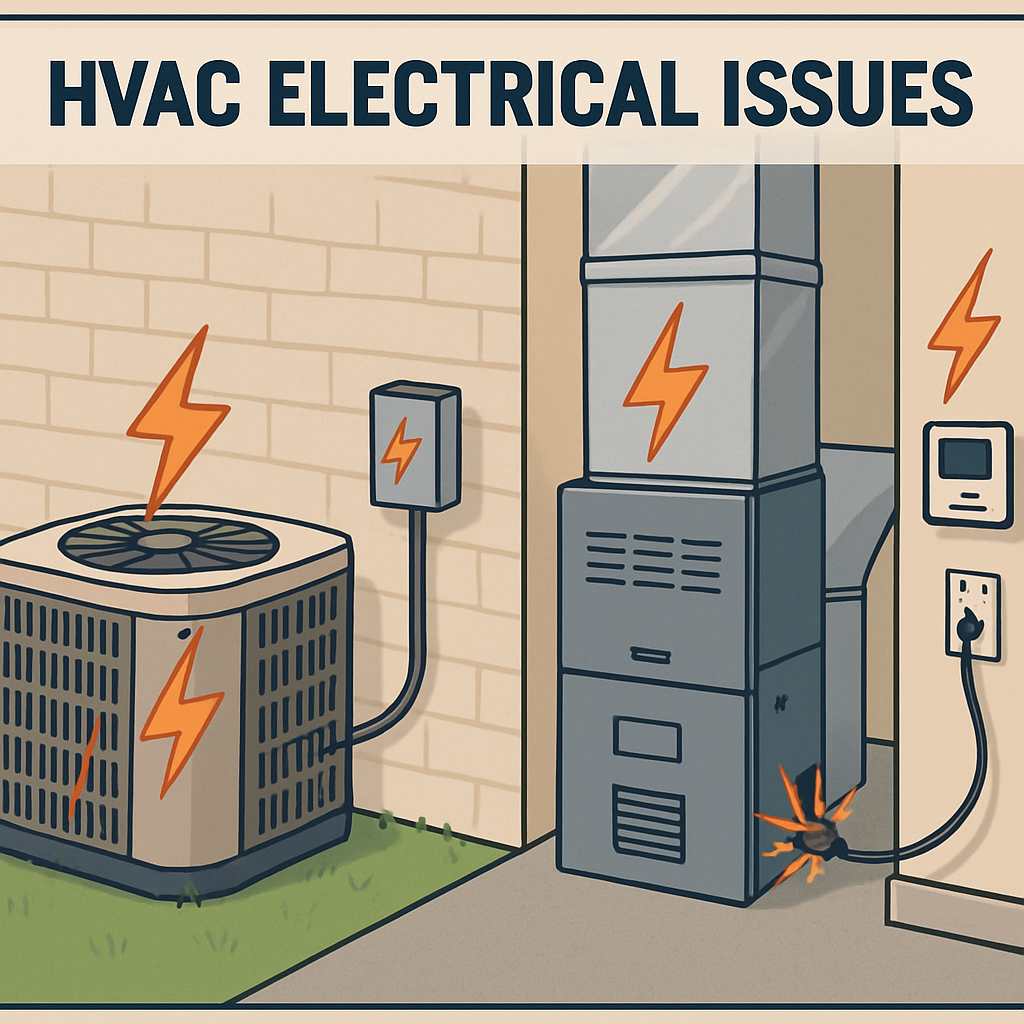
Electrical issues in an HVAC system often show up as tripped breakers, burning smells, buzzing sounds, flickering lights, or a system that shuts off unexpectedly. In Colliers homes, these problems are commonly tied to older electrical panels, longer wiring runs, basement moisture, and HVAC systems upgraded without matching electrical capacity. Electrical issues should be addressed early to prevent equipment damage or safety risks.
Common electrical warning signs include:
- Breakers tripping during HVAC operation
- Burning or electrical smells
- Buzzing, humming, or clicking sounds
- Flickering lights when the system starts
- The HVAC system shutting off unexpectedly
What “Electrical Issues” Mean in an HVAC System
Electrical issues in an HVAC system involve problems with power delivery, wiring, controls, or safety components—not airflow or refrigerant problems.
Many HVAC problems appear mechanical, but electrical faults are often the real cause behind shutdowns, noise, or inconsistent performance.
Why Electrical HVAC Problems Are Common in Colliers Homes
Electrical problems rarely fail without warning—they give signs first.
A properly operating HVAC system depends on stable, correctly sized electrical power. When wiring, connections, or control components degrade, the system may still run, but not reliably or safely.
In Colliers, electrical HVAC issues are common because many homes:
- Are spread out on larger or rural-style lots
- Have longer electrical runs from panel to HVAC equipment
- Use older or partially upgraded electrical panels
- Had HVAC systems replaced without upgrading electrical service
Electrical issues are often blamed on the HVAC equipment when the real problem is electrical strain.
The Most Common Signs of Electrical Issues in an HVAC System
1. Tripped Breakers or Blown Fuses
This is the most common electrical warning sign.
If your HVAC system repeatedly trips a breaker, it is not normal operation. Breakers trip to prevent overheating or fire.
Common Colliers-specific causes include:
- Voltage drop from long electrical runs
- Older panels struggling with modern HVAC amperage
- Motors drawing excessive current as components wear
Resetting breakers without diagnosing the cause is a common and risky homeowner mistake.
2. Burning or Electrical Odors When the System Runs
This should never be ignored.
Electrical odors often indicate:
- Overheated wiring
- Melting insulation
- Failing capacitors or contactors
Basement moisture common in Colliers homes accelerates corrosion at electrical connections.
If you smell burning plastic or ozone, shut the system off and call for service.
3. HVAC System Shuts Off Randomly
Intermittent shutdowns are often electrical in nature.
Common electrical causes include:
- Loose low-voltage wiring
- Failing control boards
- Overheating safety switches
A common misconception is assuming the thermostat is the issue when the real problem is electrical instability.
4. Buzzing, Humming, or Clicking Sounds
Electrical components often make noise before they fail.
Sounds linked to electrical problems include:
- Buzzing from contactors
- Humming from transformers
- Rapid clicking from relays or control boards
These noises often appear before a complete system failure.
5. Flickering Lights When the HVAC Starts
This is a strong sign of electrical strain.
When lights dim or flicker as the HVAC system starts, it can indicate:
- Voltage drop from long wiring runs
- Undersized wiring
- An electrical panel operating near capacity
This is common in Colliers homes with spread-out electrical layouts.
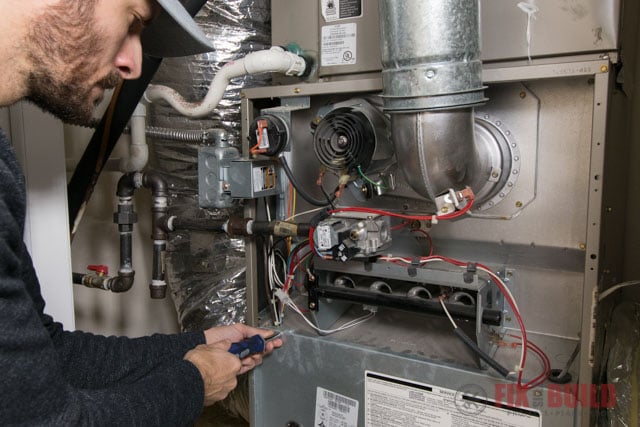
6. Warm Electrical Components or Scorch Marks
Heat is a serious electrical warning sign.
Watch for:
- Warm disconnect boxes
- Discolored wiring insulation
- Scorch marks near electrical terminals
These conditions increase fire risk and should be addressed immediately.
Is It Safe to Run My HVAC If There’s an Electrical Issue?
Sometimes—but it increases the risk of component damage and should be checked.
Electrical problems don’t always mean immediate danger, but continued operation can damage motors, control boards, and compressors.
Can Electrical Issues Cause an HVAC System to Stop Working?
Yes.
Electrical faults are one of the most common causes of sudden HVAC shutdowns and total system failures.
Why Electrical HVAC Issues Show Up More in Older Colliers Homes
In many Colliers properties:
- Electrical panels were never upgraded after HVAC replacements
- Long electrical runs reduce voltage stability
- Basement moisture affects wiring and connections
- Modern HVAC systems draw more power than older infrastructure was designed to handle
The electrical system must match the demands of the equipment it supports.
What Does It Usually Cost to Fix Electrical HVAC Issues?
Costs depend on the cause—not just the symptom.
Typical scenarios include:
- Tightening or repairing electrical connections → lower-impact service
- Replacing capacitors, contactors, or wiring → moderate investment
- Control board or panel-related issues → higher-impact decisions
The biggest cost driver is delay.
Electrical damage often spreads to motors and compressors if left unresolved.
A Real Colliers Example
We helped a homeowner in a 1960s ranch-style home in Colliers where the HVAC system would shut off during extended heating cycles.
The homeowner noticed:
- Lights dimming at startup
- Breakers tripping during colder weather
The HVAC equipment was in good condition. The issue was voltage drop from long electrical runs combined with an undersized panel. Correcting the electrical supply prevented repeated shutdowns and protected the system.
When to Shut the System Off and Call for Service
Turn the system off and call for service if you notice:
- A strong burning smell
- Repeated breaker trips
- Visible sparking or scorch marks
Electrical problems are about safety first, comfort second.
Common Misconceptions About Electrical HVAC Problems
- “It’s just the thermostat.” Thermostats fail, but electrical issues are far more common.
- “If it still runs, it’s fine.” Electrical problems often worsen quietly before failure.
- “Breakers trip because they’re weak.” Breakers trip because something is wrong.
What Guarantees Protect You If We Work on It?
For repairs and electrical diagnostics, your service is protected by our Service Trust Guardian, which includes:
- 5-year labor warranty on covered repairs
- No overtime charges
- Clean work area guarantee
- On-time arrival accountability
If electrical issues lead to system replacement, new installations are protected by our Lifetime Trust Shield, including:
- Lifetime labor coverage
- No-lemon protection
- Energy performance guarantees
We fix the cause, not the symptom. No guessing. No pressure. Just clear answers.
Bottom Line
Electrical warning signs in an HVAC system should never be ignored.
Handled early, most issues are repairable. Ignored, they can damage equipment or create safety risks.
Call Honest Fix today for a free exact quote. Learn about our guarantees before you decide.
Alex Largent is the Owner and Senior HVAC Efficiency Analyst at Honest Fix Heating, Cooling & Plumbing. With more than 20 years of field experience, NATE and EPA certifications, and a hands-on leadership style, Alex teaches his team to fix systems right the first time — with transparency, precision, and no upsells. He writes about HVAC diagnostics, home energy efficiency, and practical maintenance advice for homeowners across the Upper Ohio Valley. Read Alex Largent’s full bio to learn more about his expertise in the HVAC and Plumbing industry. Updated October 2025.