What Causes Uneven Heating or Cooling With a Heat Pump in Toronto, OH?
March 8th, 2026
4 min read
Quick Answer:
Uneven heating or cooling with a heat pump in Toronto usually occurs because of airflow imbalances, insulation gaps, duct leakage, or humidity near the Ohio River floodplain. Damp basements and older insulation can create 5–10°F temperature differences between rooms, even when the heat pump itself is operating normally.
If some rooms in your Toronto home feel comfortable while others stay too hot or too cold, the heat pump itself may not be the main issue.
Uneven temperatures usually happen when airflow, insulation, or home layout causes certain areas of the home to gain or lose heat faster.
Homes in Toronto often experience uneven temperatures because of:
- river humidity
- damp basements
- older duct systems
- attic insulation gaps
- multi-story layouts
Understanding these factors helps determine whether the solution involves airflow balancing, insulation improvements, or HVAC service.
Why does my heat pump heat some rooms more than others?
Quick Answer:
Heat pumps can create uneven temperatures when airflow is restricted or certain rooms lose heat faster. Rooms with poor duct airflow, exterior wall exposure, or attic heat loss may feel 5–10°F different from other parts of the house.
Airflow imbalance in ductwork
One of the most common causes of uneven heating or cooling is airflow imbalance.
This can occur when:
- supply vents are partially closed
- ducts are undersized
- dampers are not balanced
- return airflow is restricted
When airflow becomes uneven, some rooms receive less conditioned air.
The most common cause of uneven temperatures in Toronto homes
Quick Answer:
The most common cause of uneven heating or cooling in Toronto homes is attic heat loss combined with basement duct temperature loss, especially in homes built before 1980 insulation standards.
Many homes in the area have:
- attic insulation below modern standards
- ductwork located in cool basements
- airflow imbalance between floors
These conditions often cause upstairs rooms to feel warmer in summer and colder in winter.
Why upstairs rooms feel hotter or colder than downstairs
Quick Answer:
Two-story homes often experience 5–10°F temperature differences because warm air rises in winter and heat collects upstairs in summer. This happens because of the stack effect, where warm air moves upward through the home.
Common contributing factors include:
- attic heat transfer
- limited return airflow upstairs
- thermostat placement on the main floor
Balancing airflow between floors often improves comfort.
How return air affects temperature balance
Quick Answer:
Homes with limited return air pathways may experience uneven heating or cooling because air cannot circulate properly between rooms.
Return airflow problems often occur when:
- bedroom doors remain closed
- return vents are blocked
- hallways lack return grilles
Without proper return airflow, certain rooms may receive less conditioned air.
Can duct leaks cause uneven heating or cooling?
Quick Answer:
Yes. Duct leaks can reduce airflow to certain rooms by 10–30%, which often creates uneven temperatures.
Leaks often occur in:
- basement ductwork
- attic duct runs
- loose duct connections
Sealing ducts can improve airflow balance.
Can insulation problems cause uneven temperatures?
Quick Answer:
Yes. Poor attic insulation or wall insulation can cause certain rooms to lose heat faster, creating temperature differences of 5–10°F within the same house.
Common insulation issues include:
- attic insulation below recommended levels
- missing insulation near knee walls
- air leakage around attic hatches
Improving insulation often reduces uneven temperatures.
Can an oversized heat pump cause uneven temperatures?
Quick Answer:
Yes. Oversized heat pumps cycle on and off quickly, which can prevent proper air circulation and create uneven heating or cooling throughout the house.
Short cycling may cause:
- uneven room temperatures
- inconsistent airflow
- poor humidity control
Proper system sizing helps maintain balanced temperatures.
How humidity affects comfort differences
Quick Answer:
Humidity levels can affect how warm or cool a room feels. Higher humidity can make rooms feel warmer in summer and cooler in winter even when temperatures are similar.
Humidity differences often occur in:
- basements
- rooms near exterior walls
- areas with limited airflow
Balancing humidity improves comfort.
Why uneven temperatures are common in Upper Ohio Valley homes
Quick Answer:
Uneven temperatures are common in the Upper Ohio Valley because many homes were built before modern insulation standards and are located along river valleys or hillsides.
Communities across the region include:
- Steubenville
- Wintersville
- Toronto
- Mingo Junction
- Brilliant
- Hooverson Heights
- Weirton
- Follansbee
- Wellsburg
- New Cumberland
- Colliers
Environmental factors affecting comfort include:
- Ohio River humidity
- cold air settling in valleys
- hillside wind exposure
- older housing insulation
These conditions contribute to uneven temperatures in many homes.
How Toronto’s river location affects indoor temperatures
Quick Answer:
Toronto’s location along the Ohio River floodplain increases humidity and soil moisture, which can affect duct temperatures and basement comfort levels.
Homes near the river may experience:
- damp basement air
- colder basement temperatures
- duct heat loss in winter
These conditions can increase temperature differences between floors.
What balanced airflow should look like
Quick Answer:
Balanced airflow helps maintain consistent temperatures throughout the home. Rooms farther from the HVAC system should still receive steady airflow.
| Room Location | Expected Airflow |
|---|---|
| Near HVAC system | Strong airflow |
| Middle of home | Moderate airflow |
| Farthest rooms | Slightly lower but steady airflow |
Weak airflow in distant rooms often indicates duct or airflow problems.
What should you check first if rooms feel uneven?
Quick Answer:
Before scheduling HVAC service, homeowners should check common airflow and insulation issues that often cause uneven temperatures.
Checklist:
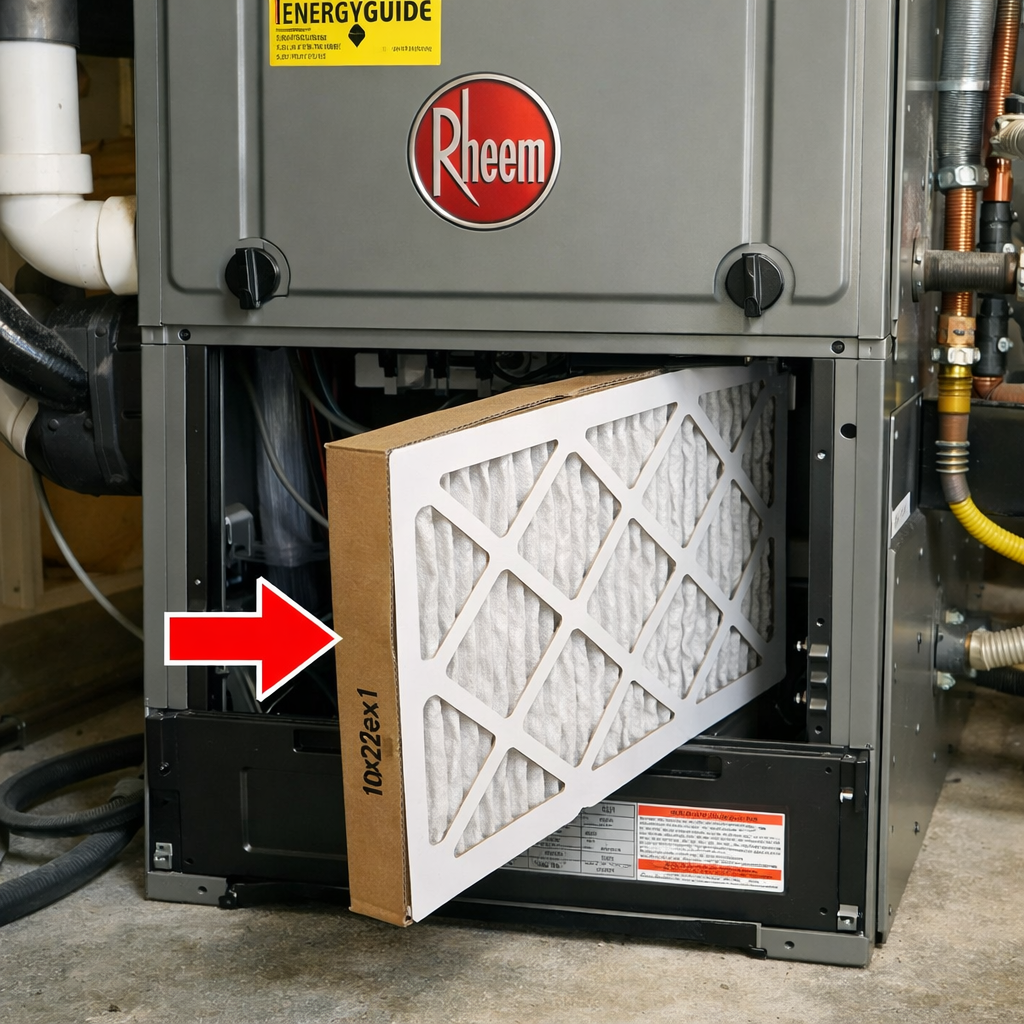
- Replace the air filter
- Make sure supply vents are open
- Check return vents for blockages
- Inspect attic insulation
- Check thermostat location
These steps often resolve minor airflow issues.
Example from a Toronto home
Quick Answer:
A typical Toronto home built in the 1950s with about 1,700 square feet may experience a 6–8°F difference between basement-level rooms and upstairs bedrooms because basement ductwork loses heat and attic insulation may be limited.
Improving insulation and sealing ducts often reduces these differences.
How long heat pumps usually last
Quick Answer:
Most residential heat pumps last 12–15 years in the Ohio Valley climate. Older systems may struggle to distribute air evenly, especially when duct systems were designed decades ago.
Routine maintenance helps maintain system performance.
Frequently Asked Questions
Why is one room colder than the rest of my house?
Quick Answer:
Rooms may feel colder when they receive less airflow or lose heat faster. Poor insulation, duct restrictions, and exterior wall exposure are common causes.
Can closing vents cause uneven heating?
Quick Answer:
Yes. Closing supply vents disrupts airflow balance and can create uneven temperatures throughout the home.
Can a thermostat cause uneven temperatures?
Quick Answer:
Yes. If the thermostat is located in a warmer or cooler part of the house, it may shut the system off before other rooms reach the desired temperature.
What guarantees do you offer?
Quick Answer:
Honest Fix offers two protection programs depending on the type of service performed.
Lifetime Trust Shield — New HVAC Installations
- Lifetime labor protection (15 years of labor coverage)
- No-lemon replacement guarantee
- Energy savings guarantee
- 90-day satisfaction guarantee
Service Trust Guardian — Repairs and Maintenance
- 5-year labor warranty on repairs
- No overtime charges
- On-time arrival guarantee
- Clean work area guarantee
- 60-day satisfaction guarantee
Many uneven temperature problems can be solved with airflow adjustments, duct sealing, or insulation improvements. In some cases the heat pump itself may require adjustment or replacement.
Free exact quote on new systems or schedule your service call online now.
Key takeaways for Toronto homeowners
- Uneven temperatures often come from airflow imbalance
- Basement duct heat loss can affect comfort
- Attic insulation gaps commonly affect upstairs rooms
- Duct leaks can reduce airflow by 10–30%
- Humidity and river climate conditions influence comfort
Scott Merritt is a co-founder of Honest Fix Heating, Cooling and Plumbing and brings more than 30 years of experience across HVAC, leadership, and industry education. He serves in a senior leadership and oversight role, providing licensed guidance, reviewing HVAC educational content, and supporting technician training and documentation standards. Prior to co-founding Honest Fix, Scott founded and owned Fire & Ice Heating & Air Conditioning in Columbus, Ohio, which he operated for more than two decades before selling the company in 2025. During that time, he led programs and partnerships including Carrier Factory Authorized Dealer, Trane Comfort Specialist, and Rheem Pro Partner, helping establish high technical and training standards. Scott is the Ohio State HVAC license holder for Honest Fix and provides licensed oversight to help ensure work meets applicable codes and manufacturer requirements. Learn more about Scott’s background and role at Honest Fix by viewing his full leadership bio.