What Causes an HVAC System to Short Cycle in Wellsburg, WV?
January 12th, 2026
3 min read
By Alex Largent
Quick Answer
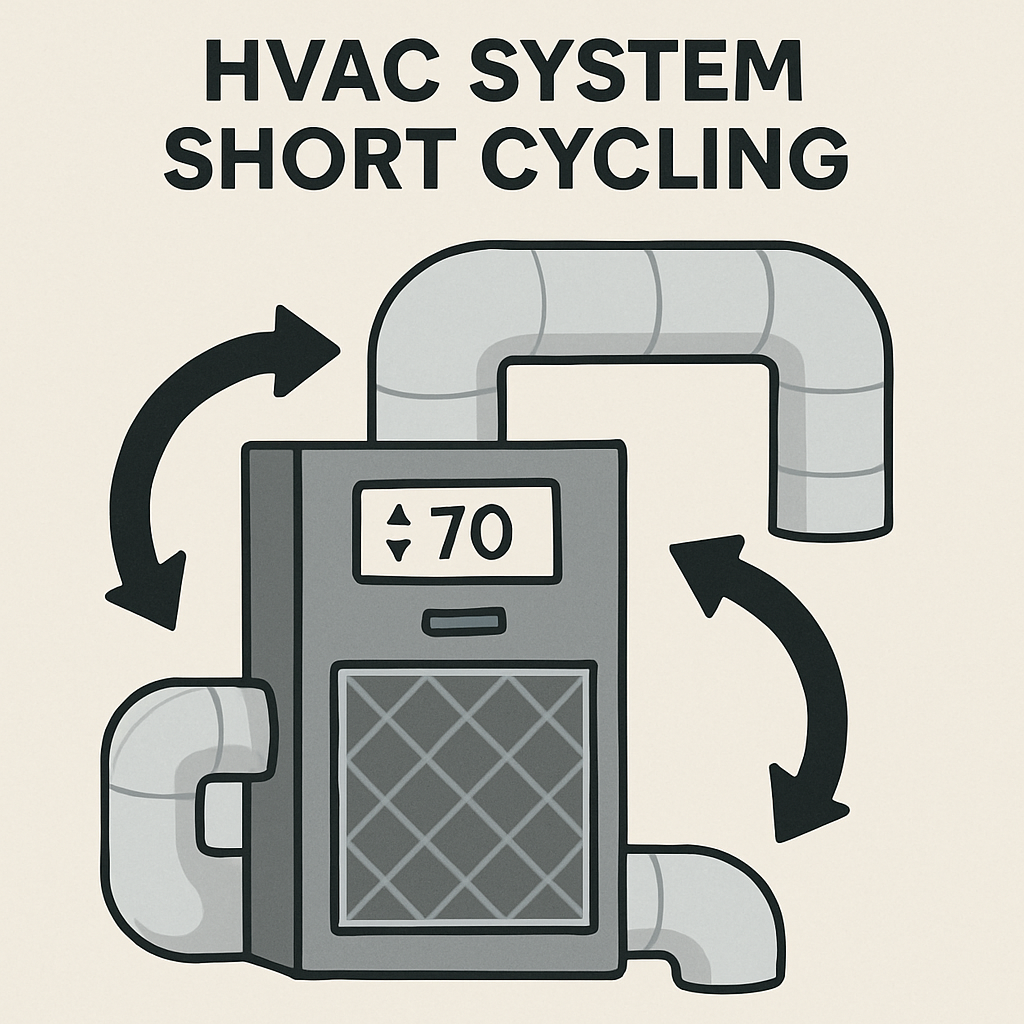
If your HVAC system is short cycling in Wellsburg—turning on and off every few minutes—the most common causes are airflow restrictions, oversized equipment, thermostat placement issues, electrical limits, or safety shutoffs. Short cycling is not normal and usually means the system is protecting itself or reacting to a setup problem.
What Short Cycling Means (Plain and Simple)
Short cycling is when an HVAC system turns on and off repeatedly without completing a normal heating or cooling cycle.
In most homes, cycles shorter than 5–7 minutes are considered abnormal.
Wellsburg homeowners often notice:
- The furnace running briefly, then shutting off
- The AC starting, stopping, and restarting
- Temperature differences between floors
- Higher energy bills
Short cycling causes more wear than steady run times and shortens system life if ignored.
Why Short Cycling Is So Common in Wellsburg Homes
Wellsburg’s terrain and housing age create built-in HVAC challenges.
Many homes were built between the 1930s and 1970s and sit on hillsides or bluffs above the river. Common characteristics include:
- Multi-level homes built into slopes
- Basements partially or fully below grade
- Long vertical duct runs serving stacked floors
- Older return duct designs
- 100-amp or smaller electrical services
When modern HVAC equipment is installed into these layouts without airflow and control corrections, short cycling is a common result.
This is typically a setup issue—not a defective system.
What This Usually Isn’t
Short cycling is rarely caused by a bad thermostat or a system that suddenly wore out.
In most Wellsburg homes, the issue is airflow imbalance, control placement, or system sizing—not immediate equipment failure.
5 Common Causes of HVAC Short Cycling
1. Oversized HVAC Equipment
Oversizing is one of the most common causes of short cycling in Wellsburg.
When a system is too large:
- It heats or cools the home too quickly
- Upper floors satisfy the thermostat before lower levels stabilize
- The system shuts off early
This is especially common in:
- Hillside homes
- Houses with finished basements
- Replacements done without updated load calculations
Bigger systems cycle more—not less.
2. Airflow Restrictions From Vertical Duct Layouts
Airflow problems are extremely common in hillside homes.
Typical causes include:
- Long vertical duct runs
- Small return ducts serving multiple floors
- Blocked or closed dampers
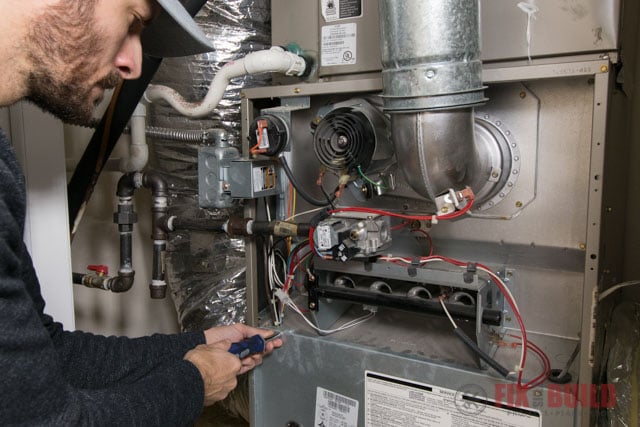
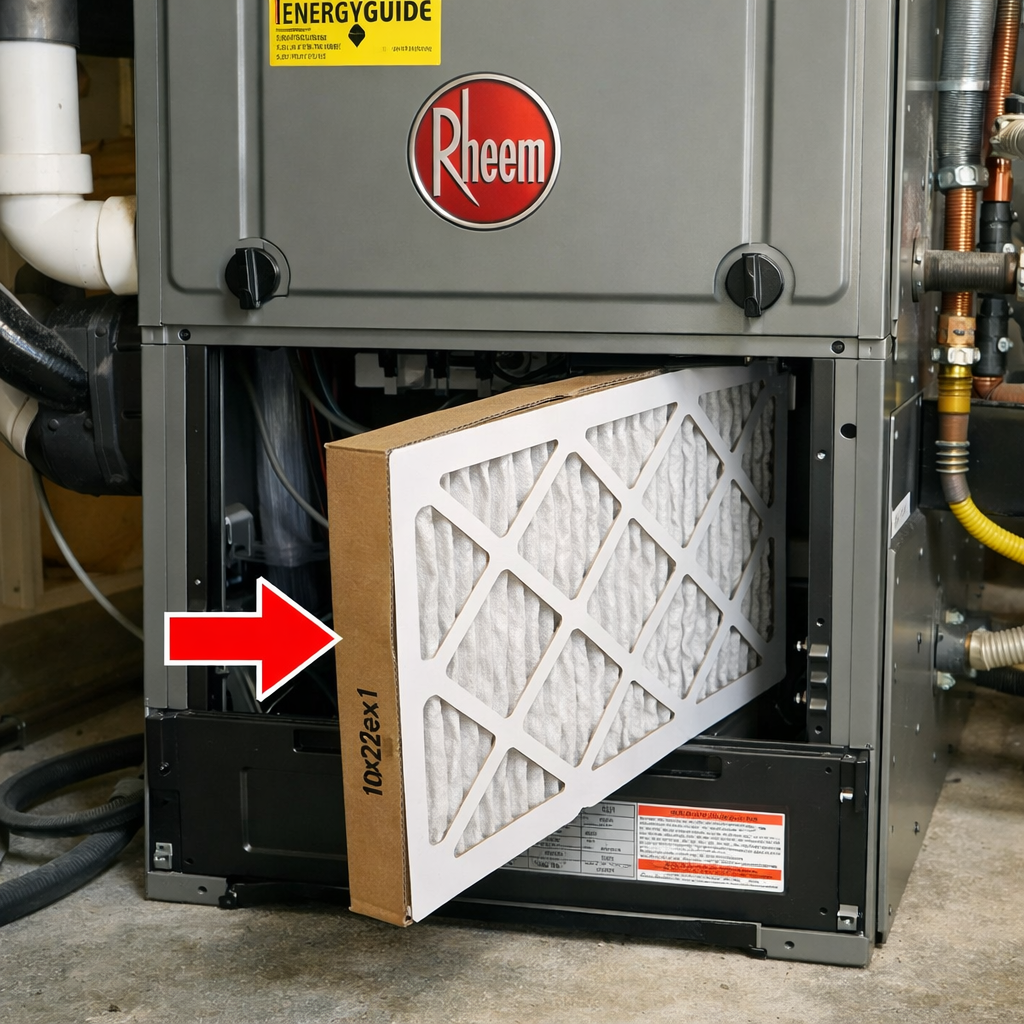
- Dirty blower wheels or coils
Cause → outcome: When airflow drops below safe limits, the system shuts off to prevent overheating or coil freeze-up, then restarts shortly after.
3. Thermostat Placement or Control Problems
Thermostat location has a major impact on cycling behavior.
We often see thermostats:
- Placed on upper floors far from returns
- Installed near stairwells
- Mounted on exterior walls
These locations heat or cool faster than the rest of the home, telling the system to shut off too soon.
Incorrect heat-pump settings or wiring can also cause frequent cycling.
4. Electrical Limits in Older Wellsburg Neighborhoods
Electrical capacity is a common short-cycling trigger here.
Many homes still operate with:
- 100-amp or smaller electrical service
- Shared HVAC and household circuits
Voltage drops can cause:
- Compressors to shut off
- Electric heat to disengage
- Control boards to reset
The system restarts once power stabilizes, creating a repeating on-off pattern.
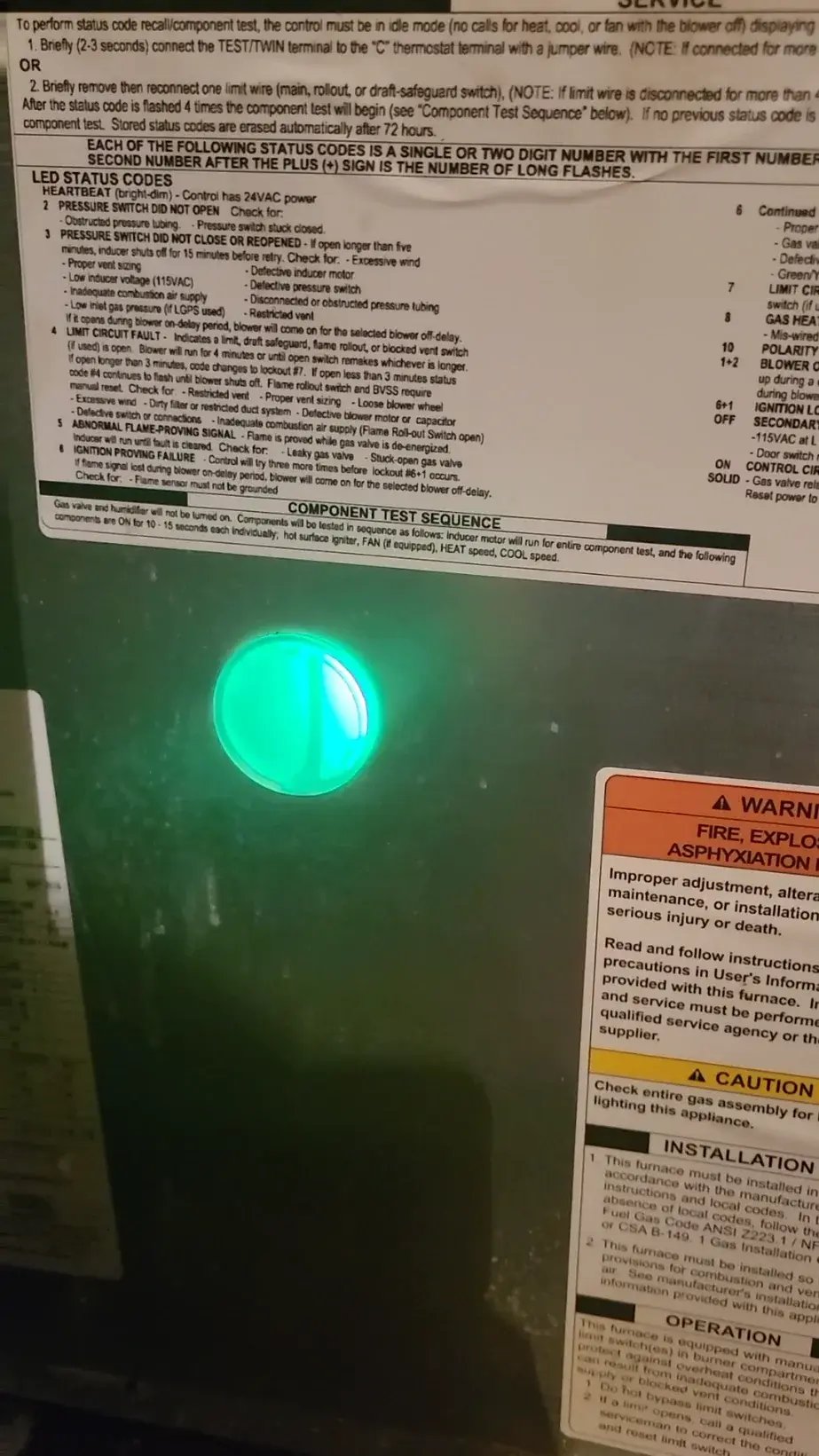
5. Safety Switches Doing Their Job
Short cycling is often the system protecting itself.
Common triggers include:
- Overheating limit switches
- Flame sensor issues
- Pressure switch faults
- Frozen evaporator coils
The system shuts down, cools off, and restarts repeatedly.
This is protection behavior—not random failure.
Why Short Cycling Happens More in Hillside and Bluff Homes
Homes built into hillsides often experience:
- Strong temperature differences between floors
- Cold air pooling in lower returns
- Long run times that stress airflow limits
These homes usually need airflow correction—not larger equipment—to solve the problem.
How Short Cycling Is Diagnosed Correctly
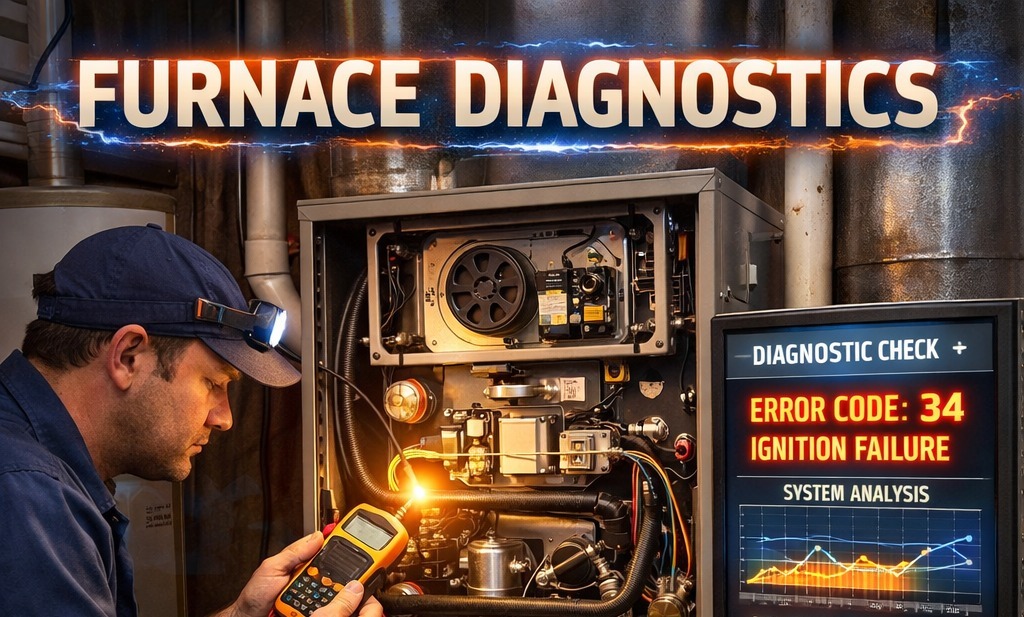
Proper diagnosis starts with measurements—not guesses.
In most Wellsburg homes, evaluation follows this order:
- Airflow and static pressure
- Electrical stability under load
- Thermostat placement and control settings
- Equipment sizing and system match
If these numbers are off, replacing parts won’t stop the cycling.
We don’t guess at short-cycling causes—we verify them with measurements.
What Short Cycling Usually Costs to Fix in Wellsburg
There is no single price because cost depends on the cause, not the symptom.
Factors that increase cost locally:
- Duct corrections across multiple floors
- Electrical service limitations
- Access challenges in hillside foundations
- Older systems with limited parts availability
Factors that keep costs lower:
- Early diagnosis
- Airflow adjustments
- Thermostat corrections
- Preventive maintenance
Left uncorrected, short cycling can shorten equipment life by years—not months.
A Common Wellsburg Mistake That Makes Short Cycling Worse
Many homeowners assume uneven temperatures mean the system is too small.
This often leads to:
- Oversized replacements
- Continued comfort problems
- Higher long-term costs
If the system won’t stay running, it’s telling you something specific.
What We Won’t Do
We won’t recommend replacing your HVAC system until airflow, controls, and electrical limits are properly checked.
That’s how short cycling actually gets fixed.
When to Shut the System Off
If the system is cycling every minute, tripping breakers, or shutting off with burning smells or unusual noises, it’s best to turn it off and have it checked before damage occurs.
Frequently Asked Questions
Is short cycling bad for my HVAC system?
Yes. It increases wear, raises energy use, and shortens equipment life.
Can short cycling damage my system?
Over time, yes. Compressors, heat exchangers, and control boards are most at risk.
What guarantees do you offer?
- Repairs and service are covered by our Service Trust Guardian
- New installations are covered by our Lifetime Trust Shield
All guarantees are explained clearly before any work begins.
What to Do Next
Short cycling feels urgent, but in many Wellsburg homes it’s a correctable setup issue when caught early.
A proper diagnosis looks at:
- Airflow
- Electrical supply
- Safety controls
- System sizing and setup
Not just parts.
Call Honest Fix today for a free exact quote.
Learn about our guarantees before you decide.
Alex Largent is the Owner and Senior HVAC Efficiency Analyst at Honest Fix Heating, Cooling & Plumbing. With more than 20 years of field experience, NATE and EPA certifications, and a hands-on leadership style, Alex teaches his team to fix systems right the first time — with transparency, precision, and no upsells. He writes about HVAC diagnostics, home energy efficiency, and practical maintenance advice for homeowners across the Upper Ohio Valley. Read Alex Largent’s full bio to learn more about his expertise in the HVAC and Plumbing industry. Updated October 2025.