Why Is My Heat Pump Not Switching Between Heating and Cooling Modes in Wintersville, Ohio?
March 5th, 2026
4 min read
Quick Answer:
If your heat pump in Wintersville is not switching between heating and cooling, the most common causes are a failing reversing valve, thermostat setup problems, loose low-voltage wiring, low refrigerant (10–20% low), or a faulty control board. Mode-switching failures require electrical and pressure testing.
A heat pump switches modes using a part called a reversing valve. That valve changes the direction of refrigerant flow. If it cannot shift properly, the system gets stuck in heating or cooling. That is not normal.
In Wintersville’s suburban homes, wiring length and aging components often reveal problems during spring and fall transitions. Testing determines the cause.
How Does a Heat Pump Switch Between Heating and Cooling?
Quick Answer:
A heat pump uses a reversing valve to change the direction of refrigerant flow. Your thermostat sends a small electrical signal (about 24 volts) telling the valve which direction to move. The system usually switches modes within 30–60 seconds.
Mode switching depends on:
- Proper thermostat configuration
- Stable 24-volt control signal
- A functioning reversing valve
- Correct refrigerant pressure
- A healthy control board
If one fails, switching fails.
What Is Normal vs Not Normal When Switching Modes?
Quick Answer:
Normal: A short 30–60 second delay and a brief “whoosh” sound when changing modes.
Not Normal: The air blows the wrong temperature, the system stays stuck, breakers trip, or loud buzzing/clanking occurs.
A short delay is normal. Wrong air temperature is not.
When Should I Call for Immediate Service?
Quick Answer:
Call immediately if your system blows cold air in winter, hot air in summer, trips the breaker when switching modes, or makes loud buzzing or metallic noises during transition.
Repeatedly flipping the thermostat back and forth increases compressor strain. Do not force it.
Could the Thermostat Be Causing This?
Quick Answer:
Yes. Incorrect setup, loose wiring, or low voltage can prevent the reversing valve from receiving the signal to switch.
This commonly happens after:
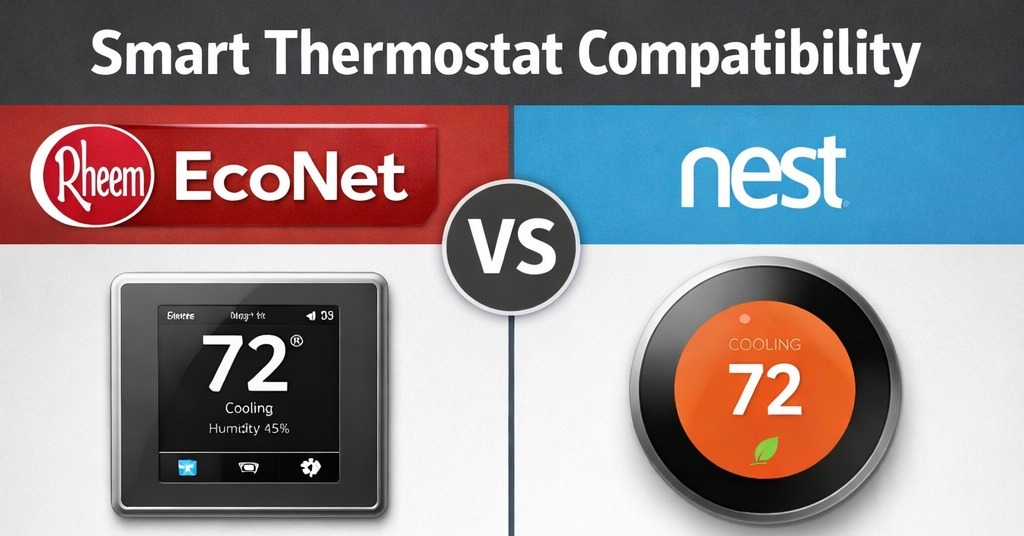
- Installing a new smart thermostat
- Replacing batteries
- A factory reset
- A power outage
In multi-level Wintersville homes:
- Thermostat wiring often runs longer distances
- Older wire connections may loosen over time
We verify thermostat setup and signal strength before diagnosing mechanical failure.
If the Thermostat Changes Modes but the Air Doesn’t, What Does That Mean?
Quick Answer:
If the thermostat display changes from heat to cool but the air temperature does not change, the issue is likely outside at the heat pump — usually the reversing valve or control board.
Indoor signal. Outdoor response. If the outdoor unit does not respond, it needs testing.
Can Low Refrigerant Prevent the Reversing Valve From Switching?
Quick Answer:
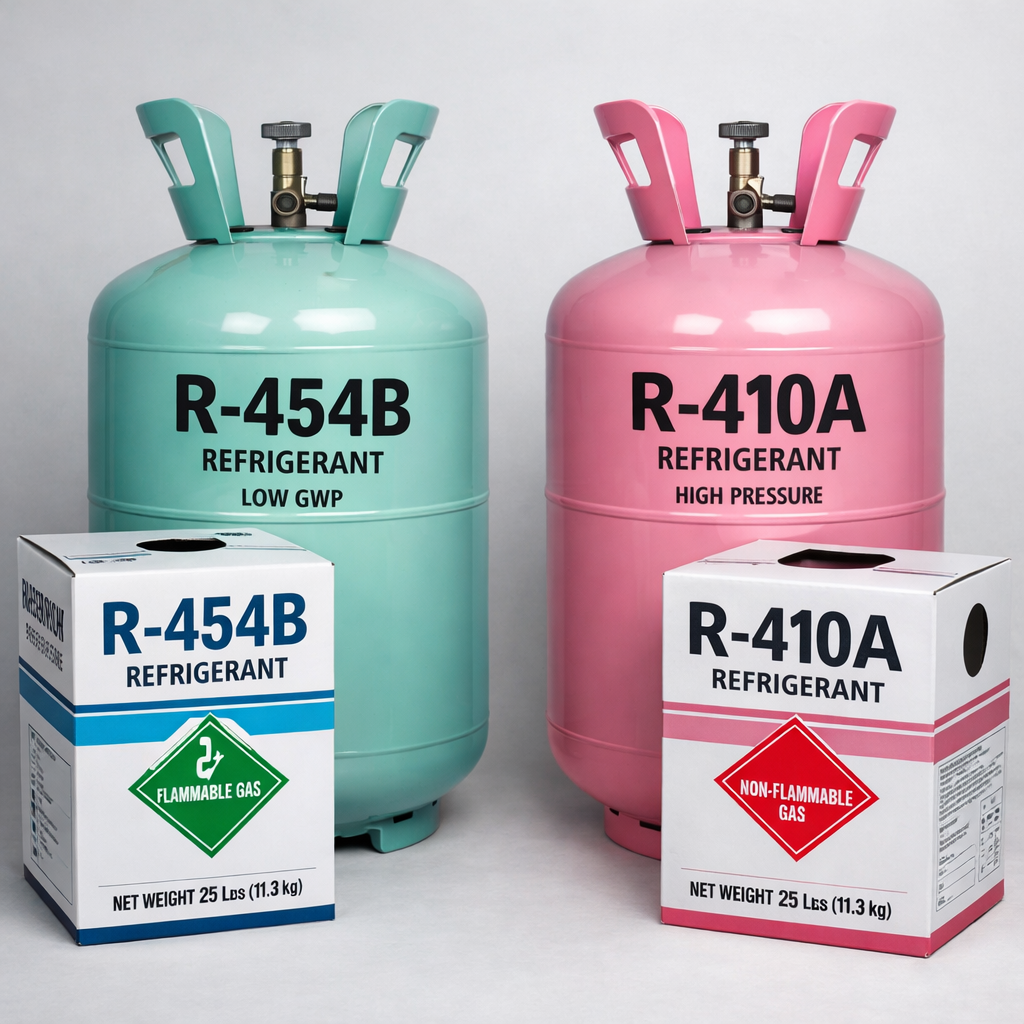
Yes. If refrigerant is 10–20% low due to a leak, pressure imbalance can prevent the reversing valve from shifting properly.
Refrigerant does not get used up. If it’s low, there is a leak.
Low refrigerant can also:
- Reduce heating performance
- Reduce cooling performance
- Increase compressor strain
- Trigger system lockout
Pressure testing confirms this.
Why Does It Switch Sometimes but Not Always?
Quick Answer:
Intermittent switching usually indicates a weakening reversing valve coil, loose low-voltage wiring, or a failing control board. If switching fails more than once in 24 hours, schedule service.
In Wintersville:
- Seasonal temperature swings stress wiring
- Systems built in the late 1990s and early 2000s may have aging components
Intermittent issues typically worsen. They do not fix themselves.
Why Does This Happen During Spring or Fall?
Quick Answer:
Mode-switching problems often appear during seasonal transitions when the system changes between heating and cooling multiple times in a short period.
During spring and fall:
- Thermostat adjustments increase
- Switching frequency increases
- Weak electrical components fail
Season changes expose marginal parts.
Can I Safely Try Resetting It?
Quick Answer:
You can turn the breaker off for 5 minutes and restart the system once. If switching still fails, professional testing is required.
You may also check:
- Thermostat is set correctly
- Batteries are fresh
- System mode is selected properly
Do not open electrical panels. Do not attempt refrigerant adjustments.
Does This Mean I Need a New Heat Pump?
Quick Answer:
Not usually. Most switching problems involve thermostat setup, wiring, control boards, or reversing valve components — not full system replacement.
Replacement is only recommended if major component failure is confirmed.
We confirm:
- 24-volt signal strength
- Refrigerant pressure
- Control board function
- Reversing valve operation
Before recommending major repair.
We don’t replace systems because of symptoms. We replace systems because of measurements.
How Does Wintersville’s Layout Affect This Issue?
Quick Answer:
Longer thermostat wire runs in split-level homes increase the chance of loose connections. Outdoor units placed close to decks or siding may experience more vibration stress over time.
Suburban density does not cause the issue. But aging wiring and components often reveal it.
What Does Professional Diagnosis Include?
Quick Answer:
We verify 24-volt control signal strength, confirm thermostat configuration, test reversing valve activation, measure refrigerant pressure, and evaluate control board performance. Diagnostics take 45–60 minutes.
We measure before we recommend. We confirm electrical before condemning mechanical parts.
How Much Does It Cost to Diagnose This in Wintersville?
Quick Answer:
We charge a $99 diagnostic service call to determine why your heat pump is not switching modes. After testing, you receive an exact repair quote before work begins.
Thermostat adjustments are straightforward. Wiring corrections are simple. Reversing valve or board repairs vary by system.
There are no surprise invoices.
If replacement becomes necessary, we provide a free exact quote. You do not need a new system unless testing proves major failure.
Frequently Asked Questions About Mode Switching in Wintersville
Is a brief “whoosh” sound normal?
Quick Answer:
Yes. A short pressure sound during switching is normal. Loud clanking or continuous buzzing is not.
Can a power surge cause switching failure?
Quick Answer:
Yes. Power surges can damage control boards or thermostat circuits, preventing proper valve activation.
What Guarantees Do You Offer?
For diagnostics and repairs, Wintersville homeowners are protected under our Service Trust Guardian:
- 5-year labor warranty
- 60-day money-back guarantee
- No overtime charges
- $50 on-time arrival guarantee
- Clean work area guarantee
- Follow-up service guarantee
New installations are covered under our Lifetime Trust Shield.
If we fix it, it stays fixed.
Final Thoughts
In Wintersville, a heat pump that won’t switch modes is most commonly caused by:
- Reversing valve malfunction
- Thermostat setup issues
- Loose low-voltage wiring
- Low refrigerant
- Control board failure
Mode switching is controlled by electricity and refrigerant pressure. Testing determines the cause.
Call Honest Fix today to schedule your $99 diagnostic service call or request a free exact quote.
No shortcuts. No scare tactics. Just honest fixes.
Scott Merritt is a co-founder of Honest Fix Heating, Cooling and Plumbing and brings more than 30 years of experience across HVAC, leadership, and industry education. He serves in a senior leadership and oversight role, providing licensed guidance, reviewing HVAC educational content, and supporting technician training and documentation standards. Prior to co-founding Honest Fix, Scott founded and owned Fire & Ice Heating & Air Conditioning in Columbus, Ohio, which he operated for more than two decades before selling the company in 2025. During that time, he led programs and partnerships including Carrier Factory Authorized Dealer, Trane Comfort Specialist, and Rheem Pro Partner, helping establish high technical and training standards. Scott is the Ohio State HVAC license holder for Honest Fix and provides licensed oversight to help ensure work meets applicable codes and manufacturer requirements. Learn more about Scott’s background and role at Honest Fix by viewing his full leadership bio.