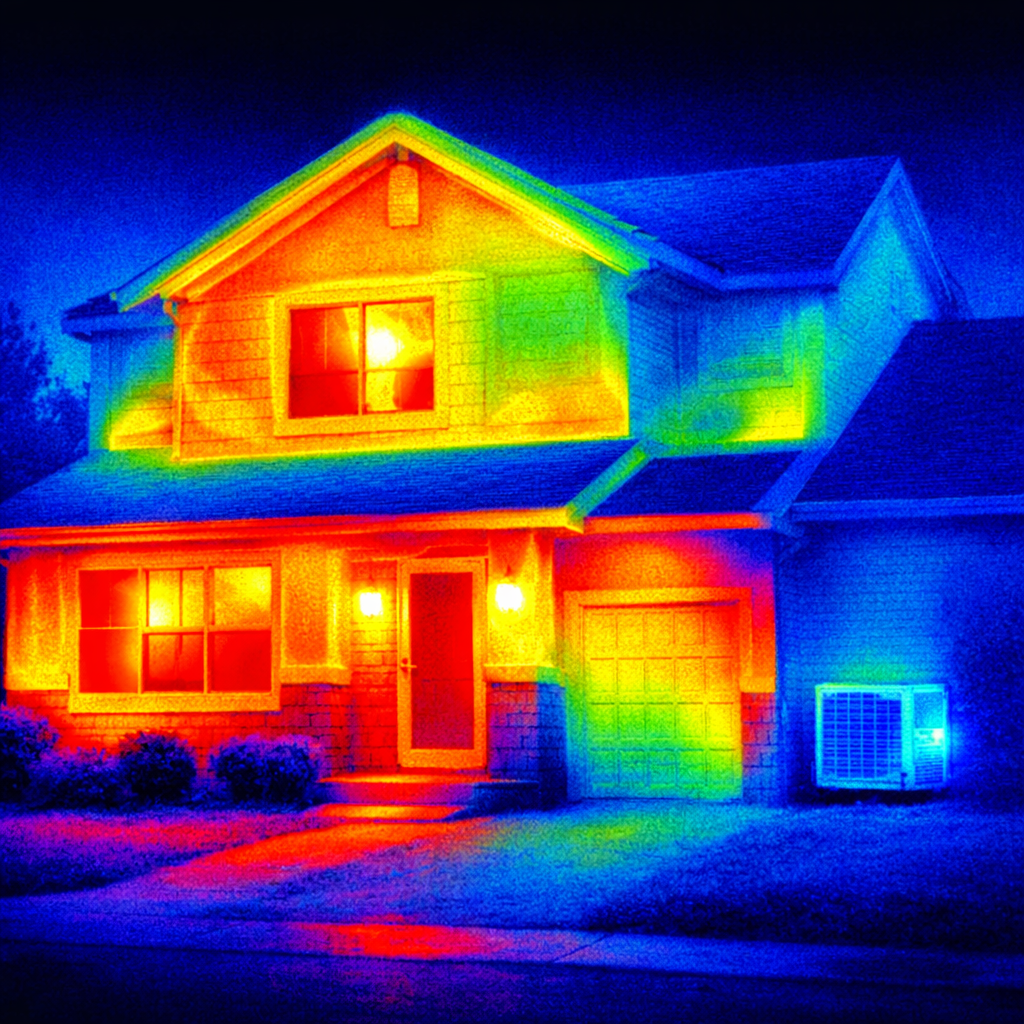
Why Is My AC Bill Higher Than Usual in Follansbee, WV?
February 3rd, 2026
4 min read

Quick Answer
If your AC bill is higher than usual in Follansbee, it is most often caused by sustained river-level humidity, shallow drainage conditions, older home construction, airflow loss, or aging equipment running longer to control moisture as well as temperature.
Why Rising AC Bills Are Common in Follansbee
Higher summer AC bills are a common concern for Follansbee homeowners, largely because of geography and housing patterns.
Many Follansbee homes:
- Sit on flat, low-lying ground near the Ohio River
- Were built between the 1940s and 1970s
- Use basements, partial basements, or slab sections
- Rely heavily on electric cooling during summer
In most homes, cooling costs are electric-only and stack on top of normal household usage. When humidity stays elevated day and night, air conditioners must run longer just to keep indoor air dry enough to feel comfortable.
What Actually Changes When Your AC Bill Goes Up
Homeowners often feel like nothing changed, but subtle shifts almost always occur.
Common changes include:
- Higher moisture levels increasing runtime
- Gradual airflow loss from aging ducts or filters
- Slower drainage affecting humidity removal
- Components wearing down and losing efficiency
Even when temperatures feel steady, moisture control demands more energy.
The Most Common Reasons AC Bills Increase in Follansbee Homes
River Humidity Drives Longer Runtime
Sustained humidity is the biggest cost driver in Follansbee.
Homes near the river experience:
- High overnight moisture
- Slower indoor drying
- Longer AC cycles even on mild days
Removing moisture requires extended system operation, which directly raises electric bills.
Shallow Drainage Affects Moisture Control
Many Follansbee homes have:
- Shallow floor drains
- Limited slope for condensate removal
- Basements that already hold moisture
When condensate drains slowly, the system struggles to shed moisture efficiently, forcing longer run times and higher energy use.
Older Homes Lose Conditioned Air
Many homes were built before modern air-sealing standards.
Common issues include:
- Air leakage through foundations and walls
- Older windows and doors
- Minimal insulation compared to newer homes
As cool air escapes, warm, humid air enters, increasing AC workload.
Dirty or Restricted Components
Restricted airflow lowers efficiency.
Common contributors include:
- Clogged filters
- Dust buildup on indoor coils
- Outdoor units blocked by debris
As efficiency drops, electricity use rises.
Aging Equipment Working Harder
Many Follansbee homes still operate AC systems that are:
- Over 12–15 years old
- Less efficient than modern designs
- Not optimized for heavy moisture loads
Efficiency loss is gradual, so higher bills often appear before breakdowns.
Which Issues Raise Bills Slightly vs Significantly
Some issues cause modest increases, while others drive major spikes.
Smaller contributors often include:
- Dirty filters
- Short-term humidity surges
- Minor thermostat issues
Larger contributors usually involve:
- Chronic moisture overload
- Drainage and airflow problems
- Aging systems losing efficiency
Higher bills are usually a symptom, not the real problem—and treating symptoms is how energy costs spiral.
When a Higher AC Bill Is Normal vs a Warning Sign
A moderate increase is normal during:
- Prolonged humidity near the river
- Heat waves
- Periods of higher household use
A warning sign appears when:
- Bills rise sharply without weather changes
- Costs increase every month
- The AC runs constantly but the home still feels damp
Those patterns usually point to moisture control or efficiency problems.
A Real Follansbee Home Example
A homeowner in a 1950s Follansbee ranch noticed their AC bill climbing steadily each summer. The home felt cool, but the basement stayed damp and the system ran almost nonstop.
The AC was operating, but slow drainage and high humidity forced extended run times. Once the underlying issues were identified, the home felt drier and energy use dropped.
The problem was not thermostat settings—it was moisture load and efficiency loss.
A Unique Cost Driver in Follansbee Homes
Sustained moisture load increases daily energy use.
Unlike short heat spikes, river-level humidity rarely lets systems cycle off fully. Without efficient moisture removal, AC systems must run longer every day, steadily raising monthly bills.
A Common Mistake Homeowners Make
A common mistake is assuming a higher bill means higher electric rates.
In many cases, the real cause is longer runtime due to moisture and airflow issues. Lowering the thermostat rarely fixes the problem and often increases energy use.
How High AC Bills Are Prevented
Lowering cooling costs starts with understanding how moisture, airflow, and drainage interact.
Professional evaluation often includes:
- Airflow and system performance checks
- Inspection of coils, filters, and drains
- Identification of moisture sources
- Verification that the system operates within design limits
When moisture is managed properly, systems cool more efficiently using less electricity.
Guarantees That Protect You When Efficiency Problems Are Found
Service Trust Guardian (Repairs and Maintenance)
If higher energy use is tied to a service issue, Honest Fix backs qualifying work with:
- 5-year labor coverage on repairs
- Clear accountability if issues return
- No hidden fees or surprise charges
Lifetime Trust Shield (New Installations)
When higher bills lead to system replacement:
- 15-year labor coverage on qualifying installations
- Long-term protection against efficiency-related workmanship issues
- Accountability that is rare in the Upper Ohio Valley
Cities Where This Same Issue Is Common
Higher AC bills affect homeowners throughout the Upper Ohio Valley, including:
- Steubenville, OH
- Wintersville, OH
- Toronto, OH
- Mingo Junction, OH
- Brilliant, OH
- Weirton, WV
- Wellsburg, WV
- New Cumberland, WV
- Colliers, WV
- Hooverson Heights, WV
Moisture control and efficiency matter more than AC brand.
Frequently Asked Questions
Why does my AC run so much near the river?
Sustained humidity requires longer runtime to remove moisture from indoor air.
Can drainage issues affect my AC bill?
Yes. Poor drainage can limit moisture removal and extend system operation.
Can maintenance help lower humidity-related costs?
Yes. Proper airflow and clean components improve moisture removal efficiency.
Is replacing my AC always the solution?
Not always. Moisture and airflow issues are often the real cause.
What guarantees do you offer?
- Repairs and maintenance include 5-year labor coverage under the Service Trust Guardian.
- New installations include 15-year labor coverage under the Lifetime Trust Shield.
Final Thoughts
Higher-than-usual AC bills in Follansbee are often driven by sustained river humidity and moisture-related runtime rather than thermostat habits. Identifying the real cause is the most reliable way to regain comfort and control energy costs.
If you are looking for the cheapest quick fix without understanding the cause, this approach likely is not the right fit.
Call Honest Fix today for a free exact quote.
Optional next step: Learn about our guarantees before you decide.
Scott Merritt is a co-founder of Honest Fix Heating, Cooling and Plumbing and brings more than 30 years of experience across HVAC, leadership, and industry education. He serves in a senior leadership and oversight role, providing licensed guidance, reviewing HVAC educational content, and supporting technician training and documentation standards. Prior to co-founding Honest Fix, Scott founded and owned Fire & Ice Heating & Air Conditioning in Columbus, Ohio, which he operated for more than two decades before selling the company in 2025. During that time, he led programs and partnerships including Carrier Factory Authorized Dealer, Trane Comfort Specialist, and Rheem Pro Partner, helping establish high technical and training standards. Scott is the Ohio State HVAC license holder for Honest Fix and provides licensed oversight to help ensure work meets applicable codes and manufacturer requirements. Learn more about Scott’s background and role at Honest Fix by viewing his full leadership bio.