Can I Keep Running My HVAC System If It’s Not Working Properly?
March 20th, 2026
3 min read
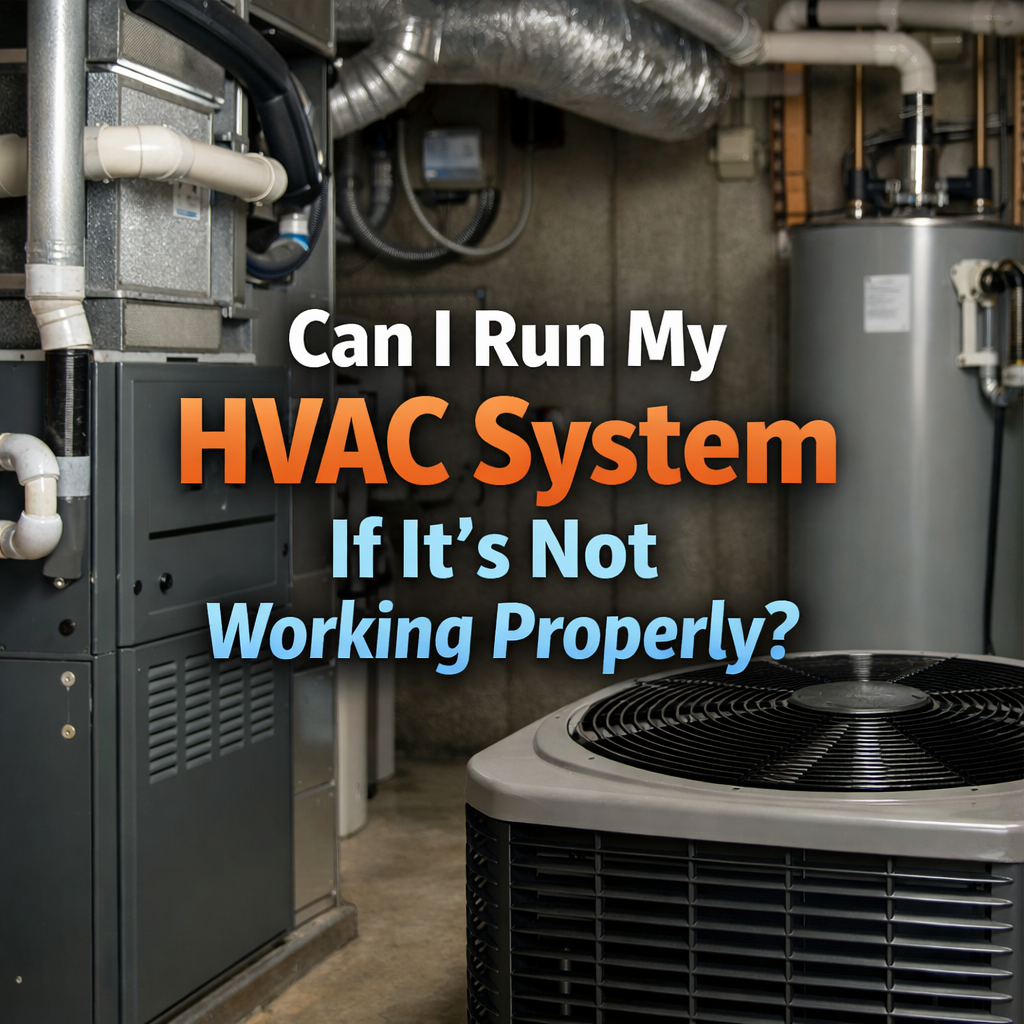
Can You Keep Running Your HVAC System If It’s Not Working Right?
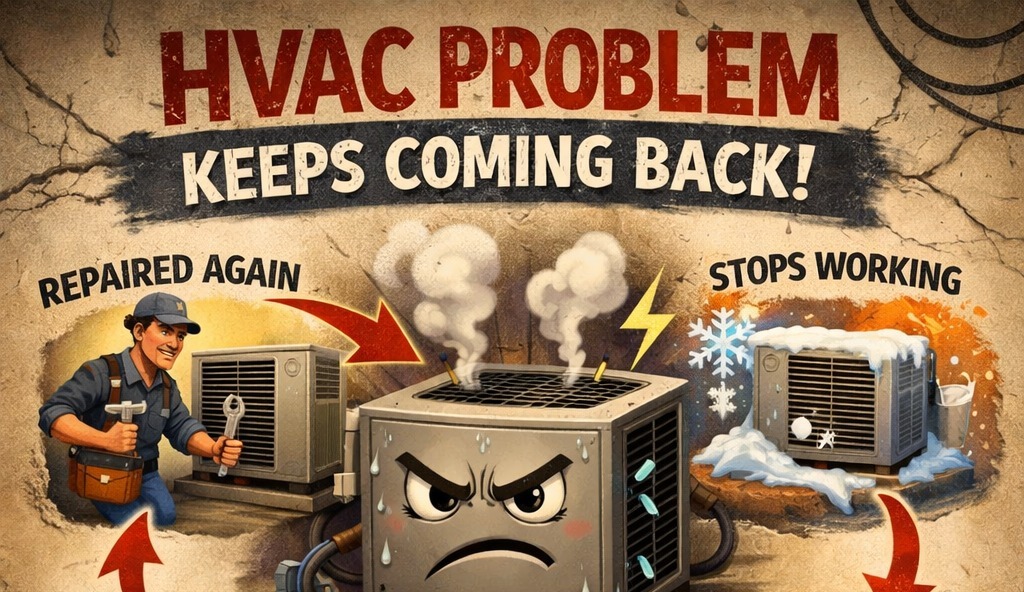
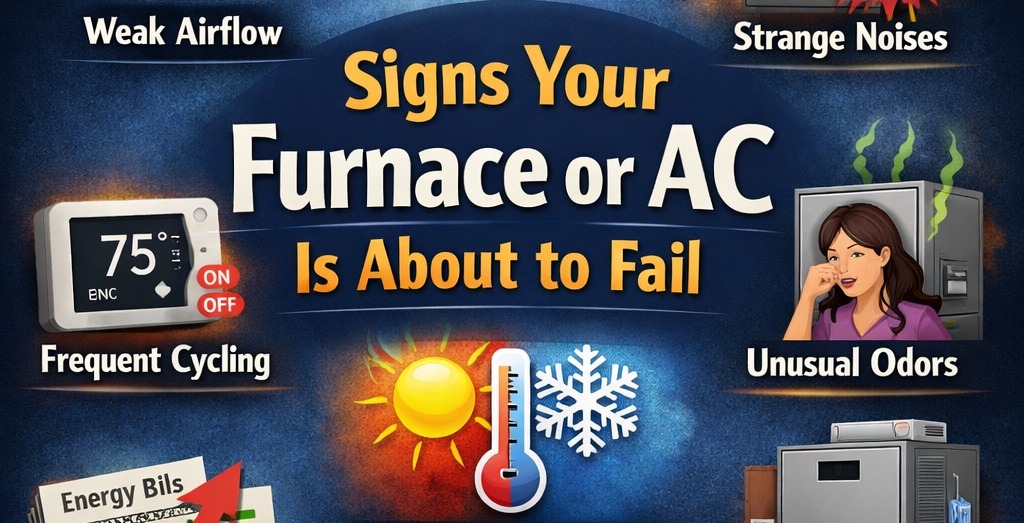
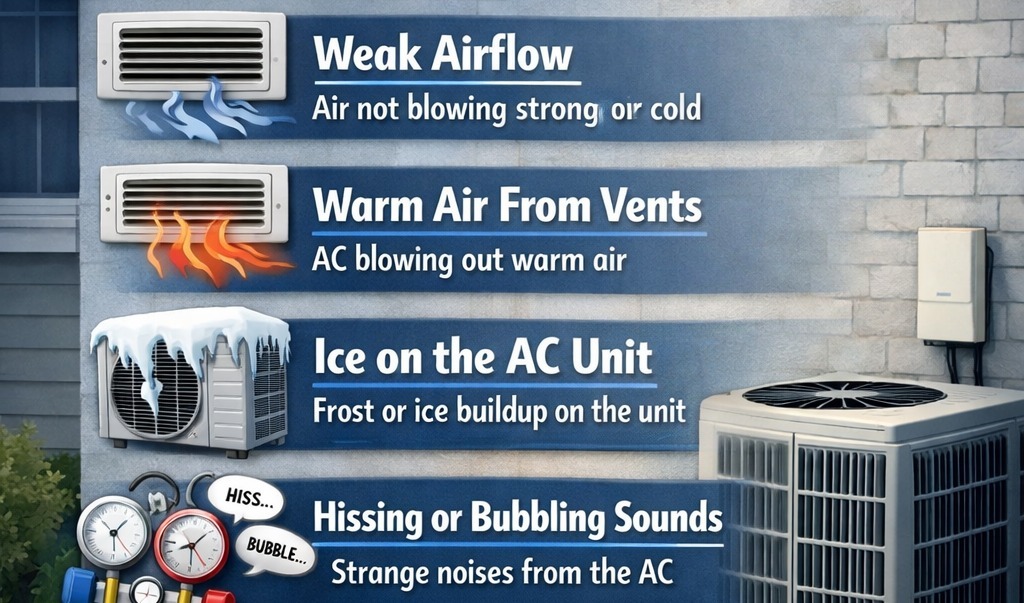
You can sometimes run your HVAC system with minor issues, but it is not safe to continue operating it if performance has noticeably changed—especially if you notice burning smells, loud noises, weak airflow, or repeated cycling. Systems running on 240 volts and 30–60 amps can be damaged quickly, and continued use often makes the problem worse.
Across the Upper Ohio Valley—including Steubenville, Weirton, Wintersville, Toronto, Mingo Junction, Follansbee, Wellsburg, Brilliant, New Cumberland, Colliers, and Hooverson Heights—many homes have older HVAC systems, aging ductwork, and insulation gaps. Combined with humid summers and winter lows near 20–25°F, systems are often pushed harder, making small problems escalate faster.
Is It Safe to Keep Running Your HVAC System?
It is not safe to keep running your HVAC system if there are signs of electrical issues, overheating, or mechanical failure. It may be safe short-term for minor airflow or thermostat issues.
| Condition | Safe to Run? |
|---|---|
| Slight airflow issue | Usually yes (short-term) |
| Dirty filter | Yes (fix immediately) |
| Loud noises | No |
| Burning smell | No |
| System not heating/cooling | No |
How Long Can You Keep Running It?
You may be able to run your system for a few hours to a couple days with minor issues, but systems showing multiple symptoms or safety risks should be shut off immediately.
| Condition | Safe Run Time |
|---|---|
| Dirty filter | Hours to days |
| Weak airflow | Short-term only |
| Loud noise | Do not run |
| Burning smell | Do not run |
| Electrical issue | Do not run |
When You Should Turn It Off Immediately
You should shut your system off right away if there are signs of safety risk or major failure.
- burning or electrical smells
- gas odor
- loud banging, grinding, or squealing
- smoke or sparks
- breaker repeatedly tripping
Safety reference: U.S. Fire Administration
When It Might Be OK to Keep Running Temporarily
Some minor issues can be safely managed short-term while you arrange service.
- slightly dirty air filter
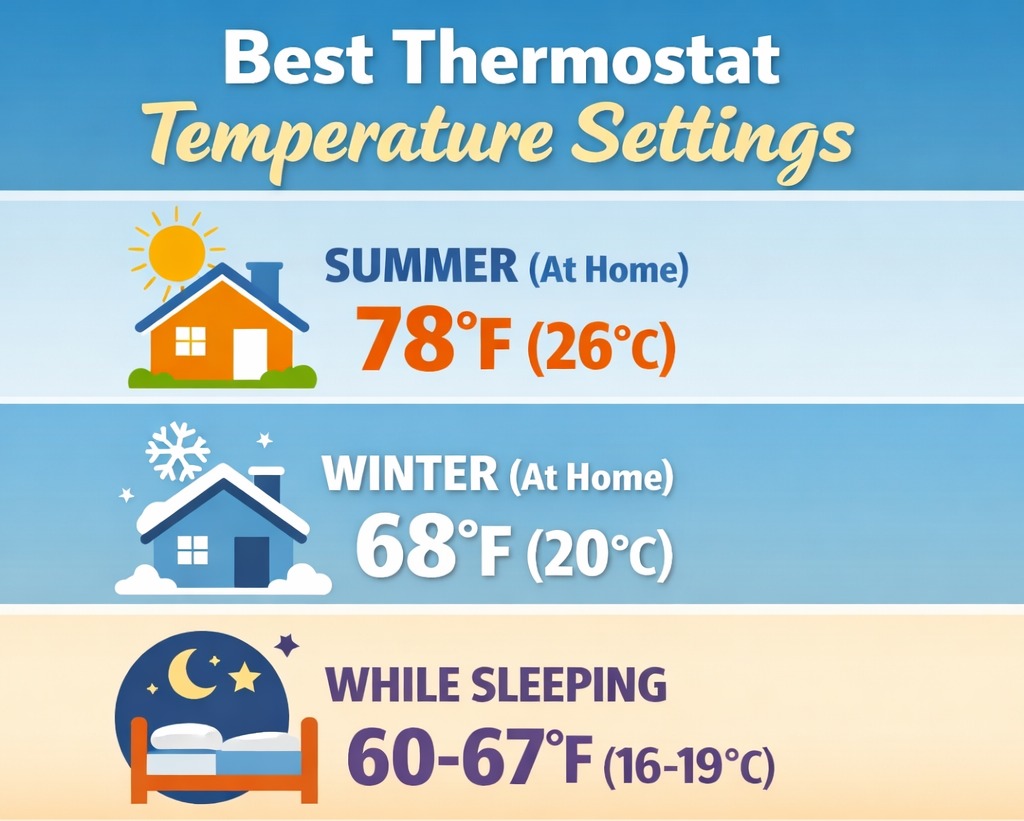
- thermostat calibration issue
- partially blocked vent
These should still be corrected quickly to avoid further damage.
What Happens If You Keep Running a Malfunctioning System
Continuing to run a struggling system usually increases damage and repair cost.
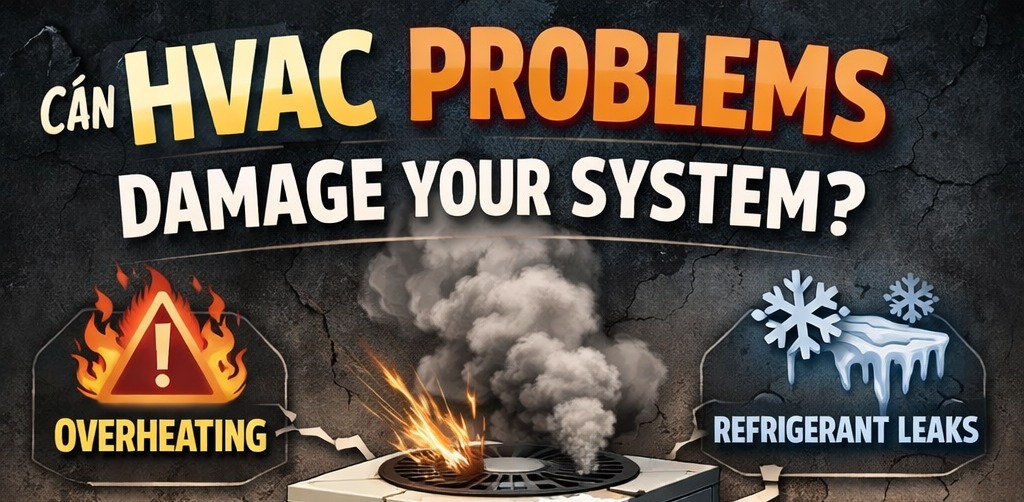
- overheating components
- compressor damage (AC systems)
- blower motor failure
- increased energy usage
The U.S. Department of Energy notes that inefficient HVAC systems consume more energy and wear out faster: Energy.gov
What Happens If You Wait Too Long?
Delaying service can turn a small repair into a major failure.
- clogged filter → blower damage
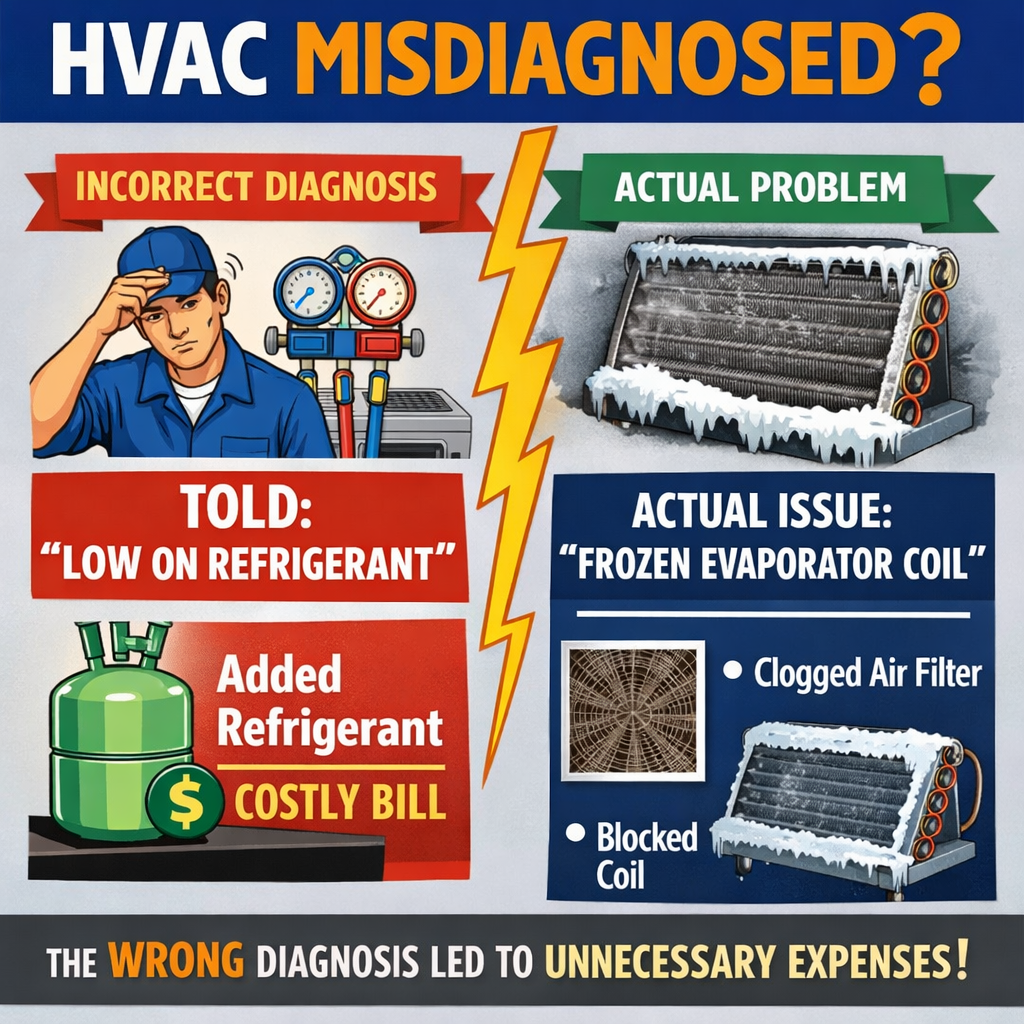
- refrigerant issue → compressor failure
- electrical issue → system shutdown or hazard
Small problems often become the most expensive repairs when ignored.
Does It Matter If It’s a Furnace, AC, or Heat Pump?
Yes. Different systems carry different risks when not working properly.
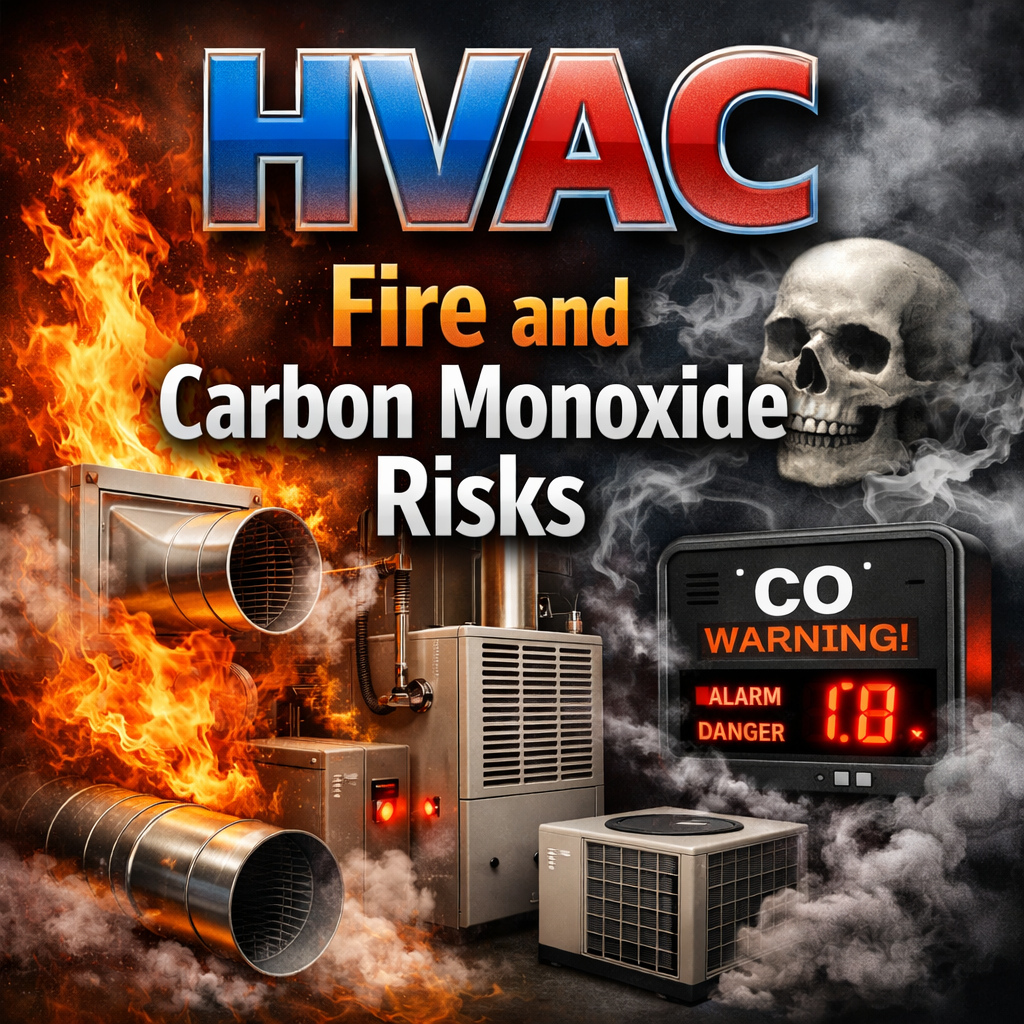
- furnace → combustion and carbon monoxide risk
- AC → compressor damage risk
- heat pump → heating and cooling performance loss
Safety reference: CDC Carbon Monoxide
Why Systems Sometimes “Keep Working” Before Failing
HVAC systems can continue running even when major components are close to failure.
- partial failures still allow operation
- performance drops before shutdown
- final failure often happens suddenly
This is why early warning signs should not be ignored.
Common Problems That Get Worse If Ignored
Certain issues are more likely to cause additional damage if the system keeps running.
- low airflow → coil freezing or overheating
- refrigerant issues → compressor failure
- electrical faults → shutdown or fire risk
- mechanical wear → full component failure
After 30+ years servicing HVAC systems across Ohio, one of the most common causes of major system failure is continuing to run equipment after early warning signs appear.
Why Problems Get Worse Faster in This Area
HVAC issues escalate faster during extreme temperatures in the Upper Ohio Valley.
- humid summers → longer AC run cycles
- cold snaps → increased furnace demand
- older homes → less system margin
In Steubenville and Weirton homes, systems are often already working near capacity during peak weather.
When It Might Not Be a Major Problem
Some issues may appear serious but are often simple fixes.
- dirty air filter
- thermostat setting issue
- blocked return vent
These should be checked before assuming system failure.
Quick Keep Running vs Shut Down Guide
| Situation | Action |
|---|---|
| Minor airflow issue | Run short-term |
| Thermostat issue | Safe to run |
| Loud noise | Shut down |
| Burning smell | Shut down |
| Repeated cycling | Limit use |
Quick Troubleshooting Checklist
You can check a few basic items before calling for service.
- replace air filter (every 1–3 months)
- check thermostat settings
- ensure vents are open
- clear debris around outdoor unit
If problems continue, avoid running the system.
When Should You Call an HVAC Technician?
You should call for service if:
- performance is clearly reduced
- unusual noises or smells appear
- system cycles frequently
- energy bills increase unexpectedly
After 30+ years in the field, most major failures happen after systems were run too long with known issues.
Key Takeaways
- it is not safe to run HVAC systems with serious warning signs
- minor issues may allow short-term operation
- running a failing system increases damage and cost
- electrical, gas, or noise issues require immediate shutdown
- early service prevents major breakdowns
FAQs
Can I keep running my HVAC system if it’s not cooling properly?
You may run it briefly, but continued operation can worsen the issue and increase repair costs.
Is it bad to run my furnace if it’s making noise?
Yes. Unusual noises usually indicate a mechanical problem and should be inspected.
Will running my system longer fix the problem?
No. Most HVAC issues worsen with continued operation.
When should I shut my system off completely?
Turn it off immediately if you notice burning smells, gas odors, loud noises, or electrical issues.
Exact HVAC replacement quotes available at (740) 825-9408 or HonestFix.com/schedule-service.
Scott Merritt is a co-founder of Honest Fix Heating, Cooling and Plumbing and brings more than 30 years of experience across HVAC, leadership, and industry education. He serves in a senior leadership and oversight role, providing licensed guidance, reviewing HVAC educational content, and supporting technician training and documentation standards. Prior to co-founding Honest Fix, Scott founded and owned Fire & Ice Heating & Air Conditioning in Columbus, Ohio, which he operated for more than two decades before selling the company in 2025. During that time, he led programs and partnerships including Carrier Factory Authorized Dealer, Trane Comfort Specialist, and Rheem Pro Partner, helping establish high technical and training standards. Scott is the Ohio State HVAC license holder for Honest Fix and provides licensed oversight to help ensure work meets applicable codes and manufacturer requirements. Learn more about Scott’s background and role at Honest Fix by viewing his full leadership bio.