Is My Furnace or AC About to Stop Working Completely?
March 20th, 2026
3 min read
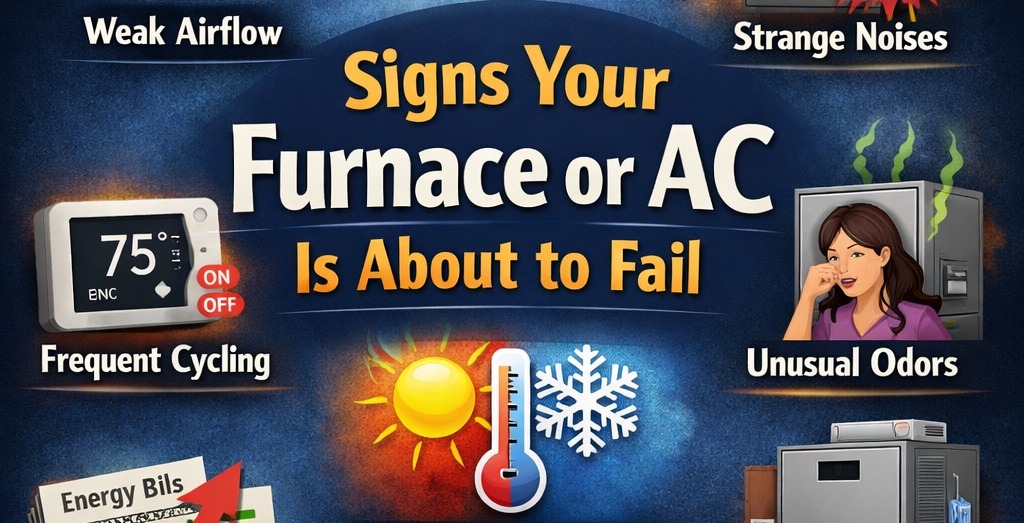
Is Your Furnace or AC About to Fail?
Your furnace or AC may be close to failure if performance has recently changed—especially if you notice loud noises, weak airflow, longer run times, or rising energy bills. Most systems last 10–15 years, and when multiple symptoms appear together, failure risk increases significantly—sometimes within days during extreme temperatures.
Across the Upper Ohio Valley—including Steubenville, Weirton, Wintersville, Toronto, Mingo Junction, Follansbee, Wellsburg, Brilliant, New Cumberland, Colliers, and Hooverson Heights—many homes have aging HVAC systems, older ductwork, and insulation gaps. Combined with humid summers and winter lows near 20–25°F, these systems are often pushed hardest when they are already nearing the end of their lifespan.
Is Your System About to Fail Right Now?
Your system is likely close to failure if it shows multiple warning signs at the same time, especially noise, airflow loss, and performance issues.
| Condition | Failure Risk |
|---|---|
| Single minor issue | Low |
| Weak airflow + longer run times | Moderate |
| Loud noises + poor performance | High |
| System won’t maintain temperature | Very High |
How Soon Could Your System Fail?
If multiple warning signs are present, failure can occur within days to weeks, especially during heavy heating or cooling demand.
| Symptom Level | Timeframe Risk |
|---|---|
| Minor issue | Months |
| Performance decline | Weeks |
| Multiple symptoms | Days |
| Noise + airflow loss | Imminent |
Systems in Steubenville and Weirton often fail during peak summer heat or winter cold snaps when demand is highest.
Most Common Warning Signs of Imminent HVAC Failure
Most systems show warning signs before failure, especially changes in performance.
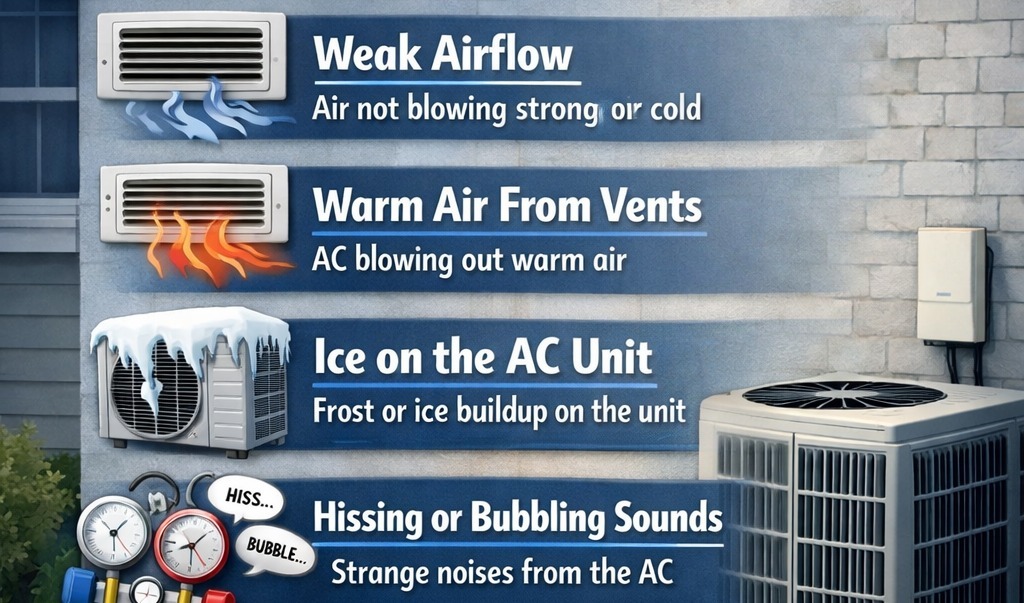
- weak airflow
- loud banging, grinding, or squealing
- longer run times
- uneven temperatures
- rising energy bills
After 30+ years servicing HVAC systems across Ohio, complete failures almost always follow earlier performance changes.
Loud or Unusual Noises
Loud noises usually indicate internal components are failing.
- grinding → motor or bearing failure
- banging → loose or broken parts
- squealing → belt or motor issues
These sounds typically worsen before failure.
Weak Airflow or No Airflow
Weak airflow usually indicates system strain or a failing component.
- failing blower motor
- clogged filter
- duct restrictions
Airflow loss is one of the clearest early warning signs.
System Running Longer Than Normal
Long run times usually indicate reduced system capacity or efficiency.
- dirty coils
- refrigerant issues
- aging components
This is often noticeable during humid summers and cold winter mornings in the Upper Ohio Valley.
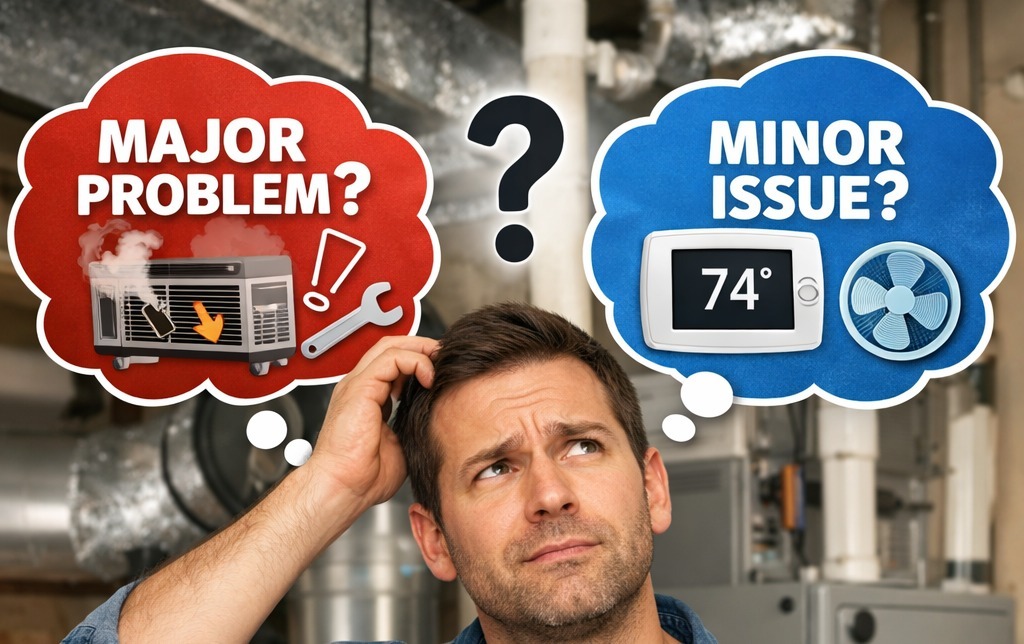
When It Might Not Be a Major Problem
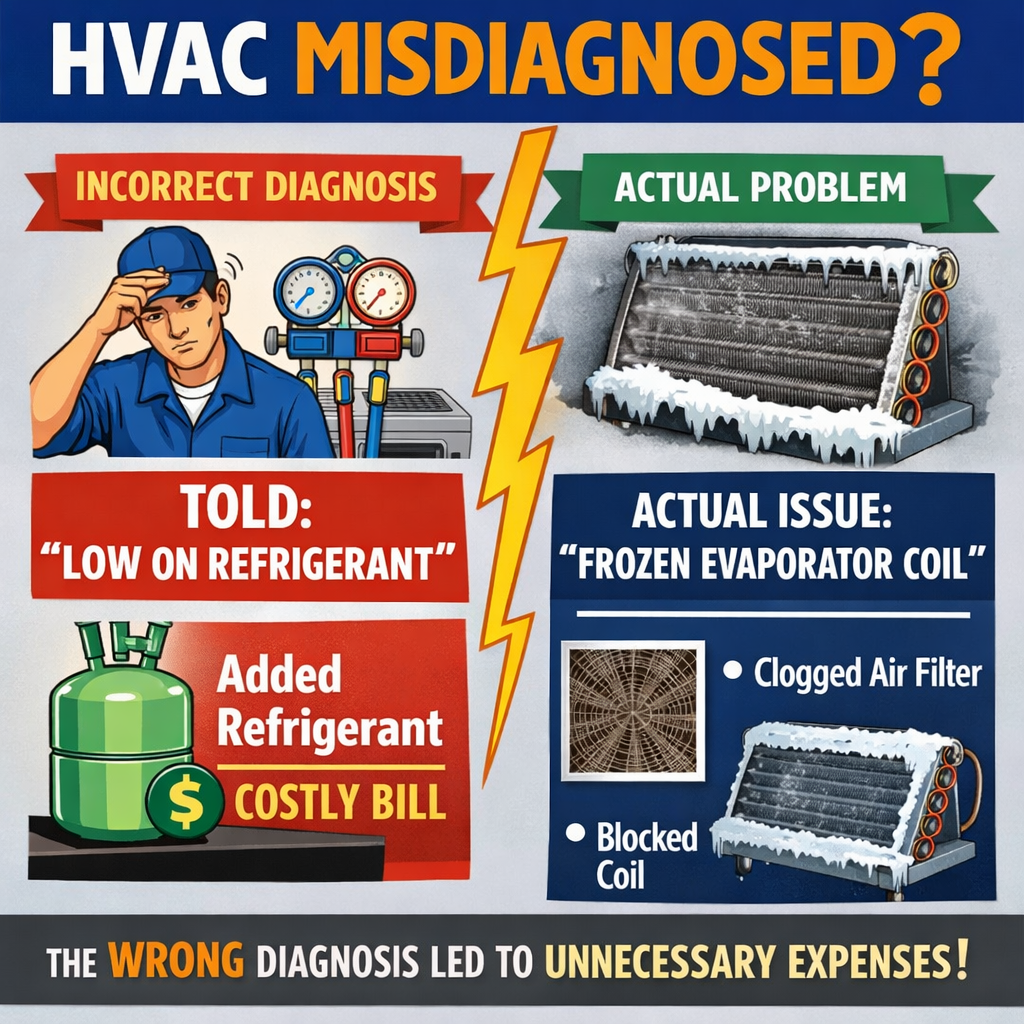
Some symptoms may look serious but are often simple fixes.
- dirty air filter → weak airflow
- thermostat issue → cycling problems
- blocked vent → uneven temperatures
Simple issues should be checked first before assuming system failure.
Rising Energy Bills Without Explanation
Higher energy bills usually mean the system is working harder due to internal problems.
- reduced efficiency
- failing components
- airflow restrictions
The U.S. Department of Energy notes that HVAC inefficiency often leads to increased energy consumption: Energy.gov
What Usually Fails First in HVAC Systems
Certain components are more likely to fail as systems age.
- capacitors
- blower motors
- compressors (AC systems)
- ignition components (furnaces)
In Steubenville and Weirton area homes, blower motors and capacitors are among the most common early failures due to continuous seasonal use.
When Systems Most Commonly Fail
HVAC systems most often fail during extreme temperatures.
- hottest summer days → AC failures
- coldest winter nights → furnace failures
The U.S. Fire Administration notes that heating equipment failures increase during heavy seasonal demand: U.S. Fire Administration
How System Age Affects Failure Risk
Systems over 10–15 years old have a much higher risk of failure.
| System Age | Risk Level |
|---|---|
| Under 8 years | Low |
| 8–12 years | Moderate |
| 12–15+ years | High |
Should You Repair or Replace?
If your system is over 10–12 years old and showing multiple warning signs, replacement is usually the more reliable option.
- minor issue + newer system → repair
- major component failure → consider replacement
- repeated breakdowns → replace
Installation quality and prior maintenance history also affect this decision.
Quick Failure Risk Guide
| If You Notice | Likelihood of Failure |
|---|---|
| One minor issue | Low |
| Weak airflow only | Moderate |
| Noise + airflow issue | High |
| Multiple symptoms | Very High |
Quick Troubleshooting Checklist
Basic checks can help identify simple problems before failure.
- replace air filter (every 1–3 months)
- check thermostat settings
- ensure vents are open
- listen for unusual noises
If symptoms persist, failure risk increases.
When Should You Call an HVAC Technician?
You should call for service if:
- multiple warning signs are present
- airflow drops significantly
- system cannot maintain temperature
- unusual noises develop
After 30+ years in the field, most emergency breakdowns happen after warning signs were already present.
Key Takeaways
- HVAC systems usually show warning signs before failure
- multiple symptoms indicate higher risk
- loud noises and airflow issues are major red flags
- systems over 10–15 years old are at higher risk
- extreme temperatures often trigger final failure
FAQs
How do I know if my HVAC system is about to fail?
Multiple warning signs like noise, weak airflow, and poor performance usually indicate high failure risk.
Can an HVAC system fail without warning?
It is less common. Most systems show changes in performance before failing.
What is the most common part to fail?
Capacitors, blower motors, and compressors are among the most common failure points.
Should I repair or replace my system?
If the system is older and showing multiple issues, replacement is usually the more reliable long-term option.
Exact HVAC replacement quotes available at (740) 825-9408 or HonestFix.com/schedule-service.
Scott Merritt is a co-founder of Honest Fix Heating, Cooling and Plumbing and brings more than 30 years of experience across HVAC, leadership, and industry education. He serves in a senior leadership and oversight role, providing licensed guidance, reviewing HVAC educational content, and supporting technician training and documentation standards. Prior to co-founding Honest Fix, Scott founded and owned Fire & Ice Heating & Air Conditioning in Columbus, Ohio, which he operated for more than two decades before selling the company in 2025. During that time, he led programs and partnerships including Carrier Factory Authorized Dealer, Trane Comfort Specialist, and Rheem Pro Partner, helping establish high technical and training standards. Scott is the Ohio State HVAC license holder for Honest Fix and provides licensed oversight to help ensure work meets applicable codes and manufacturer requirements. Learn more about Scott’s background and role at Honest Fix by viewing his full leadership bio.