What Counts as an HVAC Emergency in Steubenville OH and Weirton WV
March 24th, 2026
3 min read
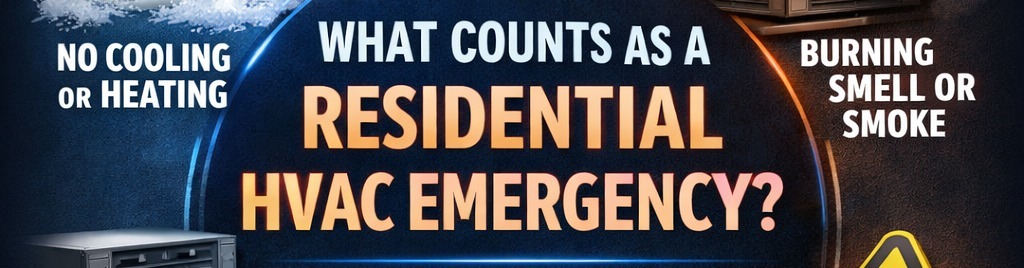
An HVAC emergency includes no heat in freezing temperatures (below 32°F), burning or electrical smells, gas odors, carbon monoxide risk, or system failures that threaten safety or property. Loss of cooling above 85–90°F with health risk can also qualify. If there is any safety concern, shut the system off or leave the home and call immediately.
Steubenville and Weirton sit in the Ohio River valley, where humidity often reaches 70–80% and winter cold air settles quickly in lower elevations. Older homes with basement furnaces, aging ductwork, and outdated gas or electrical systems increase the likelihood that HVAC issues can escalate from inconvenience to safety risk during seasonal extremes.
What Situations Count as a True HVAC Emergency?
An HVAC emergency is any situation that creates immediate risk to safety, health, or property, including fire hazards, gas leaks, carbon monoxide exposure, or loss of heat in freezing conditions.
True emergencies include:
- no heat when temperatures are near or below 32°F
- burning smells, sparks, or smoke
- gas odors or suspected leaks
- carbon monoxide symptoms
- repeated breaker trips or electrical faults
Immediate Action Priority:
- leave the home: gas smell or CO symptoms
- shut system off: burning smell, sparks, electrical issues
- call immediately: no heat in freezing weather
- monitor and schedule: non-safety issues
Most emergency calls we see involve safety risks—not comfort problems.
What Are Signs of Carbon Monoxide From an HVAC System?
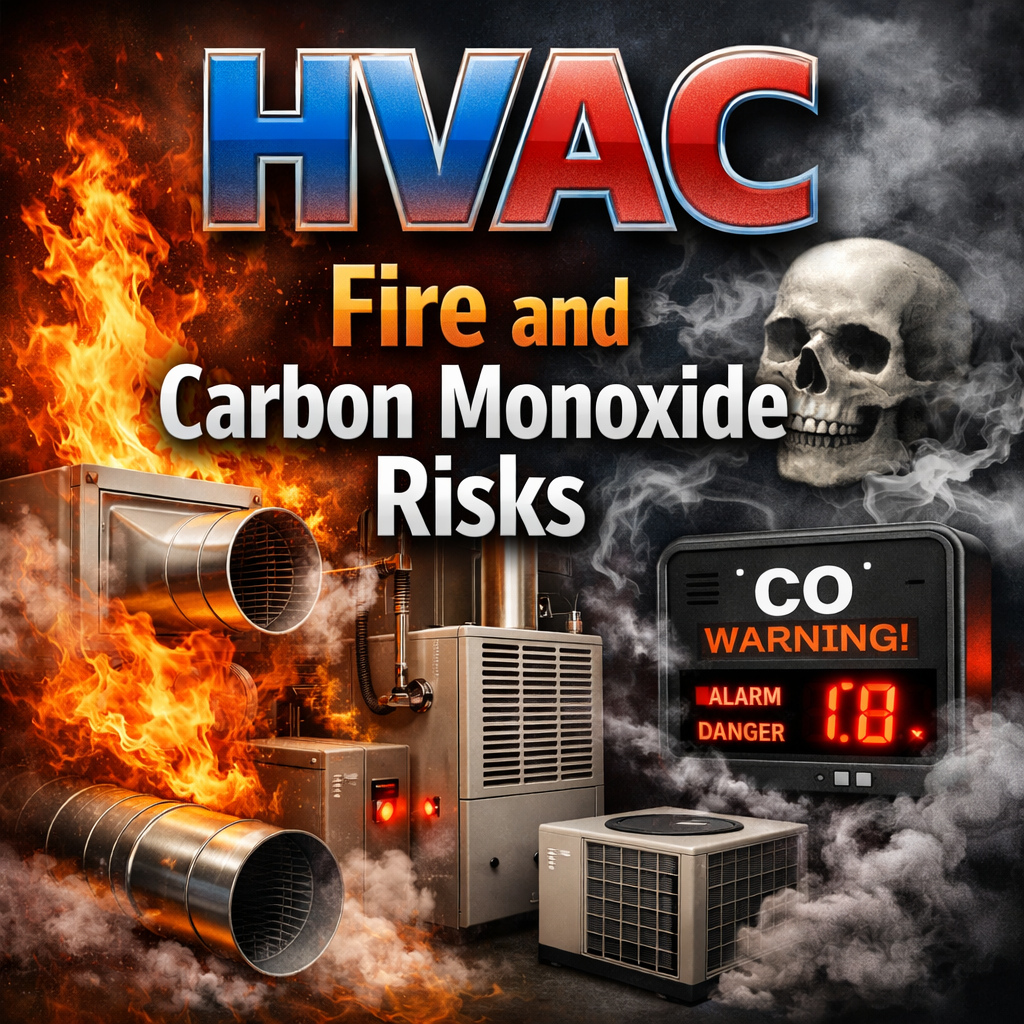
Carbon monoxide exposure may cause headaches, dizziness, nausea, confusion, or fatigue, and requires immediate evacuation and emergency response.
Carbon monoxide is colorless and odorless, which makes it especially dangerous. Faulty furnaces, cracked heat exchangers, or venting problems are common causes.
If you suspect CO exposure:
- leave the home immediately
- do not attempt to ventilate
- call emergency services
The CDC warns that even low-level exposure can be dangerous: CDC Carbon Monoxide Guide
What Should You Do If You Smell Gas From Your HVAC System?
If you smell gas, leave the home immediately, avoid using switches or electronics, and call your gas company or emergency services.
Do not try to diagnose the issue yourself. Do not turn lights on or off, and do not use phones inside the home.
Gas leaks can lead to fire or explosion risk. This is always treated as an emergency, regardless of system age or condition.
Is No Heat Always an Emergency in Steubenville and Weirton?
No heat becomes an emergency when outdoor temperatures are near or below 32°F or indoor temperatures drop toward 55°F, increasing risk of frozen pipes and unsafe conditions.
In river valley conditions, temperatures can drop quickly overnight. Homes with older insulation or draft issues lose heat faster, especially in basements and exterior walls.
Pipes can begin freezing when outdoor temperatures approach 20°F and indoor temperatures fall too low. This creates risk of burst pipes and water damage.
If temperatures are mild, it may not be an emergency—but it still requires prompt repair.
When Is Air Conditioning Failure an Emergency?
AC failure is an emergency when indoor temperatures exceed 85–90°F, humidity is high, and there are vulnerable occupants such as elderly individuals, children, or medical conditions.
High humidity in the Ohio River valley increases heat stress, even at lower temperatures. Homes with poor airflow or upper-level heat buildup can become unsafe quickly.
If no health risk is present, AC failure is typically not an emergency—but should still be addressed soon.
What HVAC Problems Are NOT Emergencies?
HVAC issues without safety risk—such as uneven temperatures, reduced airflow, or mild comfort problems—are not emergencies.
Examples include:
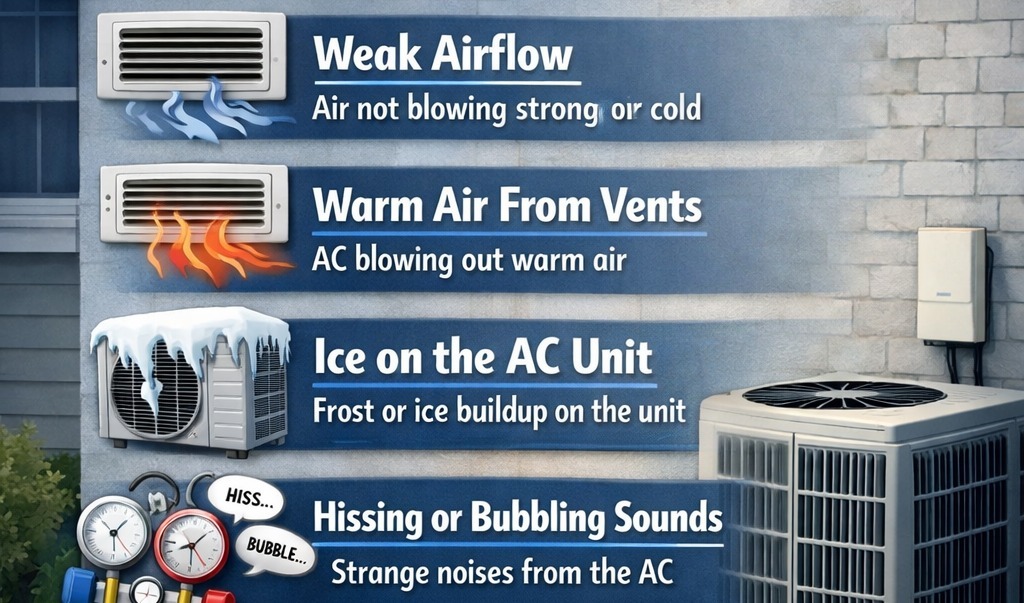
- weak airflow
- temperature imbalance
- system running longer than normal
- single shutdown without safety symptoms
If there is no fire, gas, electrical, or health risk, it is not an emergency—even if uncomfortable.
After 30+ years servicing HVAC systems across Ohio, most service calls feel urgent but only a smaller percentage are true emergencies.
What Problems Should You Watch for Right Away?
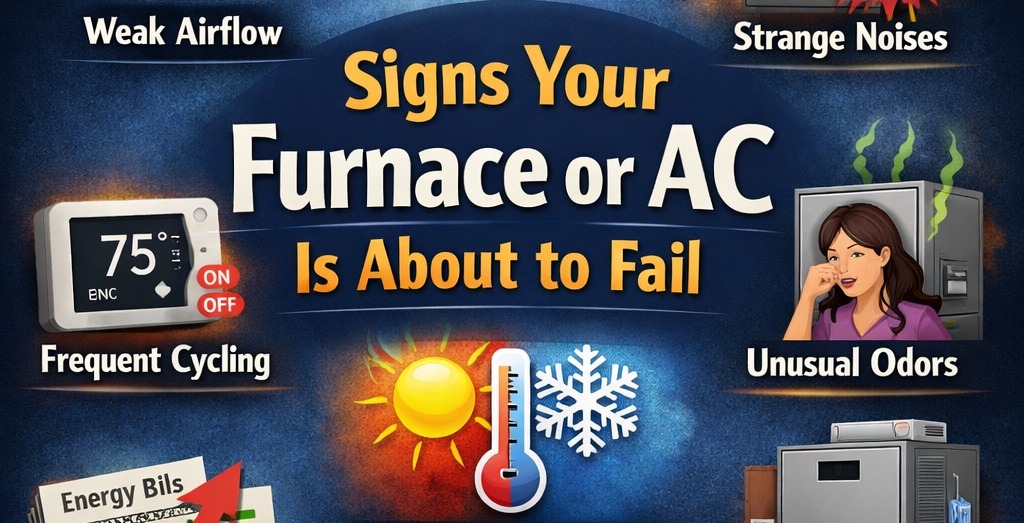
Watch for safety-related symptoms like burning smells, gas odors, CO symptoms, breaker trips, or complete system shutdown during extreme weather.
🚨 Immediate HVAC Emergency Signs
- no heat below 32°F
- gas smell
- burning or electrical smell
- carbon monoxide symptoms
- repeated breaker trips
- smoke or sparks
| Situation | Emergency Level | Action |
|---|---|---|
| No heat below 32°F | Emergency | Call immediately |
| Gas smell or CO concern | Emergency | Leave home, call |
| Burning smell or sparks | Emergency | Shut off system |
| AC out above 90°F with risk | Possible emergency | Assess health |
| Mild comfort issues | Non-emergency | Schedule service |
The National Fire Protection Association identifies heating equipment as a leading source of home fire risk: NFPA Heating Safety
When Should You Shut the System Off Immediately?
Shut the system off immediately if you notice burning smells, electrical noise, sparks, smoke, or repeated breaker trips.
Do not continue running the system under these conditions. This can increase the risk of fire or equipment damage.
Turn the system off at the thermostat or breaker. If gas is involved, leave the home instead of attempting shutdown.
Quick Decision Guide
- fire, gas, or CO risk: leave immediately
- electrical hazard: shut system off and call
- no heat in freezing weather: emergency service
- cooling loss with health risk: emergency
- no safety risk: schedule standard repair
FAQs
What is the most common HVAC emergency in this area?
No heat during winter is the most common emergency, especially during cold snaps. Older homes lose heat quickly, which increases urgency.
Is a burning smell from my furnace dangerous?
Yes. It can indicate overheating components or electrical failure. If the smell is strong or persistent, shut the system off and call immediately.
Should I call emergency service for my AC not working?
Only if indoor temperatures are becoming unsafe or someone in the home is at risk. Otherwise, it can typically wait for normal service hours.
Can HVAC problems affect more than just heating and cooling?
Yes. If electrical systems or gas supply are involved, the issue may extend beyond HVAC and require broader inspection. This is especially true in older homes.
Exact HVAC replacement quotes available at (740) 825-9408 or HonestFix.com/schedule-service.
Scott Merritt is a co-founder of Honest Fix Heating, Cooling and Plumbing and brings more than 30 years of experience across HVAC, leadership, and industry education. He serves in a senior leadership and oversight role, providing licensed guidance, reviewing HVAC educational content, and supporting technician training and documentation standards. Prior to co-founding Honest Fix, Scott founded and owned Fire & Ice Heating & Air Conditioning in Columbus, Ohio, which he operated for more than two decades before selling the company in 2025. During that time, he led programs and partnerships including Carrier Factory Authorized Dealer, Trane Comfort Specialist, and Rheem Pro Partner, helping establish high technical and training standards. Scott is the Ohio State HVAC license holder for Honest Fix and provides licensed oversight to help ensure work meets applicable codes and manufacturer requirements. Learn more about Scott’s background and role at Honest Fix by viewing his full leadership bio.