Will This HVAC Repair Last or Is It Temporary?
March 23rd, 2026
4 min read

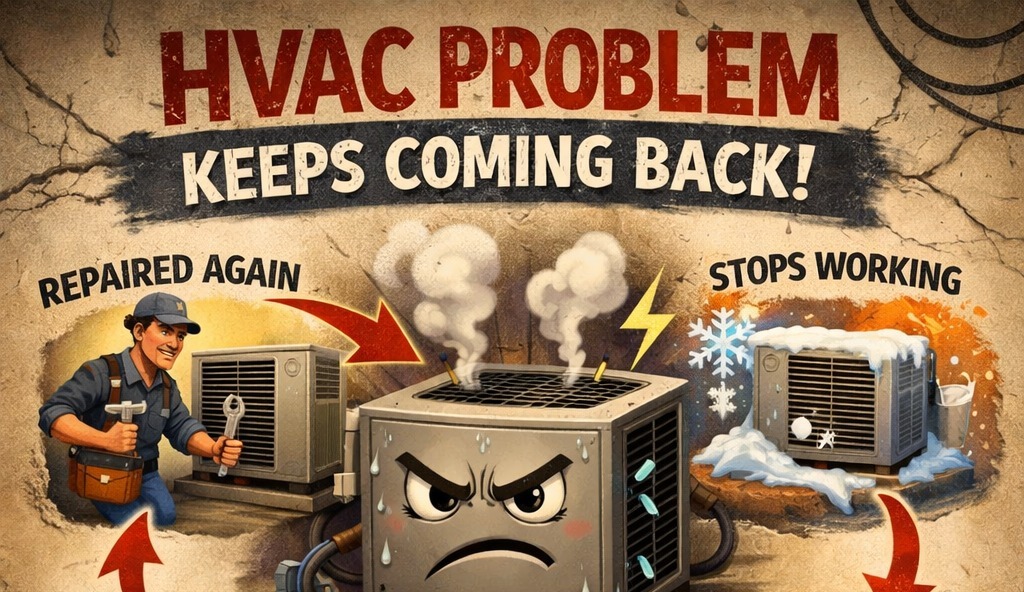
Some HVAC repairs are long-term fixes, while others are temporary if the root cause isn’t addressed. Repairs like airflow correction or electrical fixes can last years, but refrigerant top-offs without leak repair or symptom-only fixes may fail again within days to months, especially in systems over 10–12 years old.
Across the Upper Ohio Valley—including Steubenville, Weirton, Wintersville, Toronto, Mingo Junction, Follansbee, Wellsburg, Brilliant, New Cumberland, Colliers, and Hooverson Heights—many homes have older systems, duct issues, and basement installations. Combined with humidity and winter lows near 20–25°F, repairs here are more likely to be temporary if airflow and system setup are not properly corrected.
Will This HVAC Repair Last?
An HVAC repair will last if the root cause is correctly diagnosed and fixed, not just the symptom.
| Repair Type | Expected Outcome |
|---|---|
| Root cause fixed | Long-term |
| Symptom only fixed | Temporary |
| Aging system repair | Limited lifespan |
| Repeat repair | Likely temporary |
Is This a Temporary Fix or a Permanent Repair?
Repairs are temporary when they restore operation without correcting system conditions like airflow, refrigerant integrity, or electrical load.
Examples:
- adding refrigerant without fixing leak → temporary
- replacing capacitor without fixing overheating → temporary
- correcting airflow issue → long-term
Why Some Repairs Can’t Last (Even If Done Right)
Some HVAC repairs won’t last because the overall system condition is already declining.
Examples:
- aging compressor with new capacitor
- worn blower with new electrical parts
- multiple aging components in one system
Even a correct repair may only provide short-term improvement if the system is near end of life.
What Determines If a Repair Will Last?
Repair longevity depends on diagnosis quality, system condition, and installation setup.
Key factors:
- accurate root cause diagnosis
- proper airflow (350–450 CFM per ton)
- correct refrigerant charge
- electrical system stability
- overall system age
After 30+ years servicing HVAC systems across Ohio, repairs that fail quickly are almost always tied to missed root causes or aging systems.
Industry standards from AHRI emphasize proper system performance and matching for long-term reliability: AHRI
What a Confident HVAC Repair Looks Like
A reliable repair includes verification that the system is operating within proper specifications.
A proper repair should include:
- airflow measurement
- refrigerant verification
- electrical testing
- full system performance check
ACCA standards highlight the importance of proper installation and commissioning in long-term system performance: ACCA
Repairs That Usually Last
Repairs that address isolated components and correct system conditions typically last.
Examples:
- capacitor or contactor replacement
- thermostat replacement
- airflow correction
- electrical connection repair
These repairs can last years when system conditions are stable.
Repairs That Are Often Temporary
Some repairs are temporary if they do not address the underlying cause.
Examples:
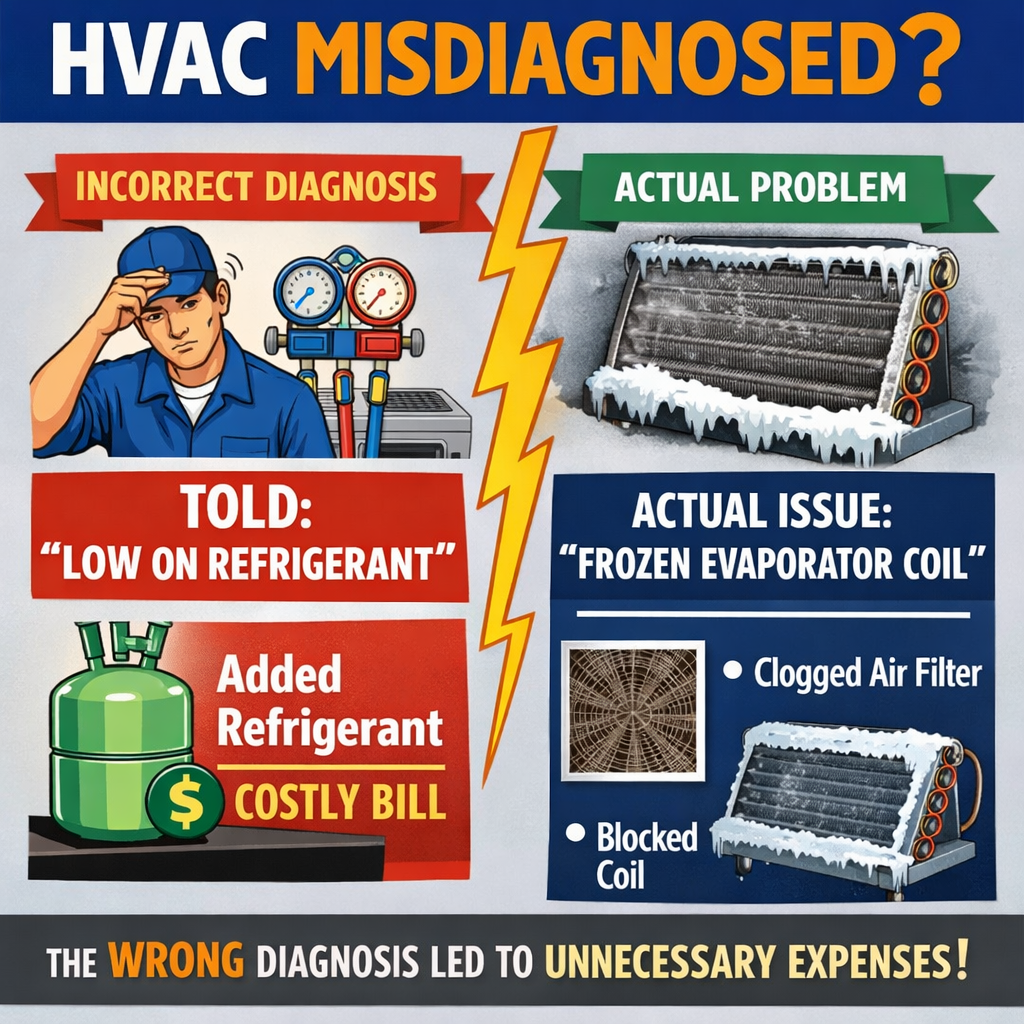
- refrigerant added without leak repair
- repeated electrical part replacement
- patching duct issues without correcting design
- repairing one part in a failing system
EPA refrigerant regulations stress proper leak repair to ensure system performance: EPA Section 608
How Soon Will You Know If a Repair Will Last?
Most temporary repairs show problems again within days to a few weeks, especially during heavy system use.
- minor underlying issue → weeks
- major unresolved issue → days
- peak demand → immediate failure
When Repairs Are Most Likely to Fail
Repairs are most likely to fail during extreme temperatures, when systems are under maximum load.
- summer humidity → long AC run cycles
- winter cold snaps → continuous heating demand
This is when weak repairs are exposed quickly.
How Many Times Should You Repair the Same Problem?
If the same issue needs repair more than 2 times, it usually indicates a deeper unresolved problem.
| Repair Count | What It Means |
|---|---|
| 1 time | Likely isolated |
| 2 times | Needs deeper diagnosis |
| 3+ times | System or root issue |
Why Older Systems Have More Temporary Repairs
Older systems are more likely to have temporary repairs because multiple components are wearing out at once.
- electrical components degrade
- airflow performance declines
- system tolerance decreases
This reduces the effectiveness of individual repairs.
The Cost of Temporary Repairs
Temporary repairs often cost more over time than a proper fix.
Example:
- $300 repair × 3 visits = $900
- root issue still unresolved
ENERGY STAR notes that proper system performance reduces long-term operating costs: ENERGY STAR Heating and Cooling
What HVAC Technicians See Most in This Area
In Steubenville and Weirton homes, temporary repairs are most often tied to airflow problems, duct leakage, and aging systems.
Common patterns:
- restricted airflow → repeated freezing or overheating
- electrical wear → repeated part failure
- older systems → recurring breakdowns
As an Aprilaire Healthy Air Professional, airflow, humidity control, and filtration directly affect whether repairs hold or fail early.
When a Repair Won’t Last No Matter What
Some repairs will not last due to overall system condition.
Situations include:
- system over 12–15 years old
- multiple components failing
- declining performance
At this stage, repairs are often short-term solutions.
Quick Repair Longevity + Action Guide
| Situation | What To Expect |
|---|---|
| Root cause fixed | Long-term repair |
| Symptom only fixed | Temporary |
| Older system | Short-term |
| Repeat issue | Likely unresolved |
Quick Troubleshooting Checklist
Basic checks can help confirm whether a repair is holding.
- monitor system performance
- check airflow and filter condition
- watch for repeat symptoms
- track run cycles
If the same issue returns, the repair was likely temporary.
When Should You Call an HVAC Technician?
You should call for service if:
- the same issue returns after repair
- system performance declines again
- multiple components begin failing
- repairs don’t last
According to the U.S. Department of Energy, unresolved HVAC issues increase wear and reduce system efficiency: U.S. Department of Energy Air Conditioning Guide
After 30+ years in the field, the difference between a lasting repair and a temporary one almost always comes down to whether the root cause was fully corrected.
Key Takeaways
- repairs last when root causes are fixed
- temporary fixes address symptoms only
- system condition affects repair longevity
- older systems are more prone to short-term repairs
- repeated repairs signal deeper issues
FAQs
How do I know if my HVAC repair will last?
If the root cause was fixed and performance is stable, it should last. If symptoms return, it was likely temporary.
Are refrigerant refills a permanent fix?
No. Refrigerant loss usually indicates a leak that must be repaired.
Why do HVAC repairs sometimes fail quickly?
Most failures are due to incomplete diagnosis or aging system conditions.
Should I keep repairing a system if fixes don’t last?
If repairs don’t hold, it usually indicates a deeper issue or aging system that may require replacement.
Exact HVAC replacement quotes available at (740) 825-9408 or HonestFix.com/schedule-service.
Scott Merritt is a co-founder of Honest Fix Heating, Cooling and Plumbing and brings more than 30 years of experience across HVAC, leadership, and industry education. He serves in a senior leadership and oversight role, providing licensed guidance, reviewing HVAC educational content, and supporting technician training and documentation standards. Prior to co-founding Honest Fix, Scott founded and owned Fire & Ice Heating & Air Conditioning in Columbus, Ohio, which he operated for more than two decades before selling the company in 2025. During that time, he led programs and partnerships including Carrier Factory Authorized Dealer, Trane Comfort Specialist, and Rheem Pro Partner, helping establish high technical and training standards. Scott is the Ohio State HVAC license holder for Honest Fix and provides licensed oversight to help ensure work meets applicable codes and manufacturer requirements. Learn more about Scott’s background and role at Honest Fix by viewing his full leadership bio.