What Does the Reversing Valve Do in a Heat Pump in Steubenville, OH & Weirton, WV?
March 19th, 2026
3 min read
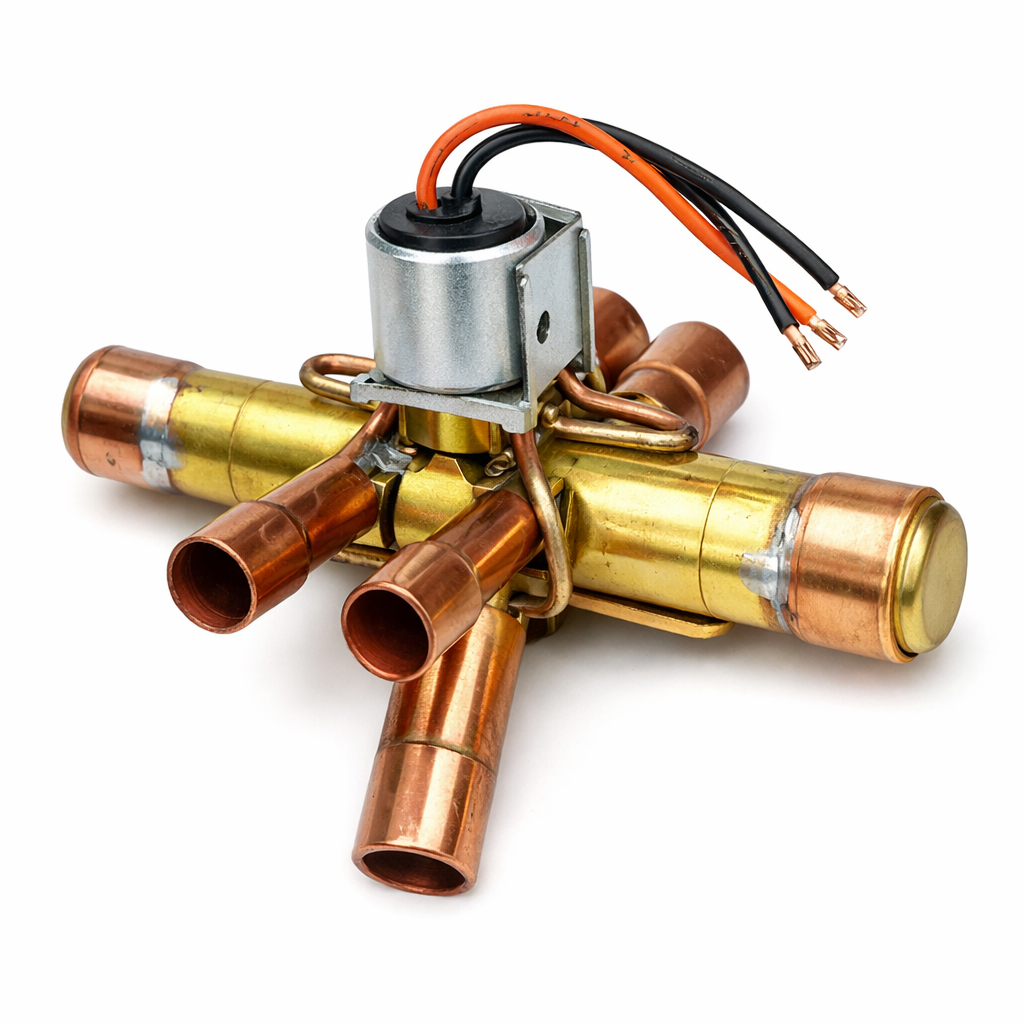
What Does a Reversing Valve Do in a Heat Pump?
Quick Answer:
The reversing valve allows a heat pump to switch between heating and cooling by reversing refrigerant flow. In Steubenville, OH and Weirton, WV, this is critical because systems must handle winter temperatures near 22°F and humid summer cooling, making the reversing valve essential for year-round operation and proper system performance.
Homes in the Upper Ohio Valley experience temperature swings, river valley humidity, and varying insulation levels. Because heat pumps must switch modes frequently in this climate, the reversing valve plays a central role in comfort and system reliability.
Reversing Valve Function at a Glance
Quick Answer: The reversing valve changes the direction of refrigerant flow so the heat pump can either heat or cool the home.
| Mode | Refrigerant Direction | Result |
|---|---|---|
| Heating | Outdoor → Indoor | Heat moves into the home |
| Cooling | Indoor → Outdoor | Heat moves out of the home |
Without this component, a heat pump would only function as an air conditioner.
How the Reversing Valve Works
Quick Answer: The reversing valve uses an internal sliding mechanism, controlled by a 24-volt signal, to redirect refrigerant flow.
When the thermostat changes modes:
- the solenoid energizes the valve
- refrigerant flow reverses
- indoor and outdoor coils switch roles
In heating mode:
- outdoor coil absorbs heat
- indoor coil releases heat
In cooling mode:
- indoor coil absorbs heat
- outdoor coil releases heat
This allows one system to perform both heating and cooling functions.
Basic Heat Pump Mode Switching (Simple Explanation)
Quick Answer: A heat pump switches modes by reversing refrigerant flow, not by turning on separate heating equipment.
Simple breakdown:
- heating mode → pulls heat from outside air
- cooling mode → removes heat from indoor air
- reversing valve → controls direction of heat flow
This is why heat pumps can provide both heating and cooling using the same components.
Why the Reversing Valve Is Critical in the Upper Ohio Valley
Quick Answer: The reversing valve is heavily used in this region because heat pumps frequently switch between heating and cooling modes.
Local conditions include:
- winter temperatures near 20–25°F
- humid summers requiring long cooling cycles
- spring and fall temperature swings
Homes in hillside areas and older neighborhoods often experience temperature fluctuations, causing systems to switch modes more often than in milder climates.
What Triggers the Reversing Valve to Switch
Quick Answer: The thermostat controls the reversing valve by sending a low-voltage (24V) signal when switching between heating and cooling modes.
Triggers include:
- changing thermostat from heat to cool
- automatic changeover thermostats
- system startup during seasonal changes
Incorrect thermostat wiring or setup can sometimes cause the system to operate in the wrong mode.
Signs of a Faulty Reversing Valve
Quick Answer: A failing reversing valve can prevent the system from switching modes or cause incorrect heating or cooling.
Common symptoms include:
- system stuck in heating or cooling mode
- air temperature does not match thermostat setting
- reduced heating or cooling performance
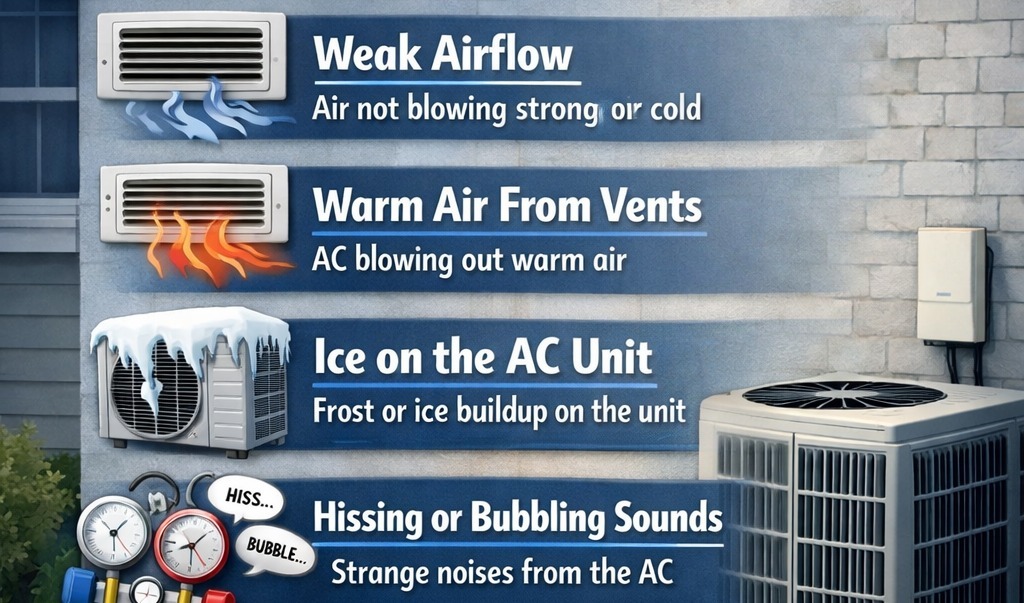
- hissing or pressure-related noises
Reversing valve failures are less common than airflow issues but can significantly impact system operation.
Common Causes of Reversing Valve Problems
Quick Answer: Reversing valve issues are usually caused by electrical faults, internal wear, or refrigerant contamination.
Common causes include:
- failed solenoid coil
- internal valve sticking
- debris in refrigerant system
- improper installation or charging
Proper system installation and clean refrigerant lines help reduce the risk of valve failure.
Why Proper Installation Matters for Reversing Valve Performance
Quick Answer: Installation quality affects how well the reversing valve operates over time.
Important factors include:
- correct refrigerant charge
- clean, properly brazed refrigerant lines
- proper airflow around 350–450 CFM per ton
- correct thermostat wiring
Many performance issues are related to installation quality rather than component defects.
Can a Reversing Valve Be Repaired or Replaced?
Quick Answer: Reversing valves are usually replaced rather than repaired and require significant labor.
Replacement involves:
- recovering refrigerant
- cutting and brazing refrigerant lines
- installing a new valve
- evacuating and recharging the system
Because of labor costs, replacement decisions often depend on system age and overall condition.
Quick Diagnostic Summary
| Symptom | Possible Cause | What to Check |
|---|---|---|
| System stuck in one mode | Reversing valve issue | Check thermostat and valve signal |
| Air temperature incorrect | Valve stuck | Verify operating mode |
| Hissing noise | Pressure or valve issue | Inspect refrigerant system |
| Poor performance | Valve or airflow issue | Schedule inspection |
When Should You Call an HVAC Technician?
You should schedule service if:
- the system will not switch between heating and cooling
- air temperature does not match thermostat setting
- unusual noises occur during operation
- system performance drops unexpectedly
A technician can test the reversing valve, electrical controls, and refrigerant pressures.
Key Takeaways
- the reversing valve allows heat pumps to switch between heating and cooling
- it works by reversing refrigerant flow using a 24V control signal
- it is essential for year-round HVAC operation
- failures can prevent proper system function
- installation quality affects long-term reliability
FAQs
What does the reversing valve do in a heat pump?
It allows the system to switch between heating and cooling by reversing refrigerant flow.
What controls the reversing valve?
The thermostat sends a low-voltage signal to activate the valve when switching modes.
Can a heat pump run without a reversing valve?
No. Without it, the system would only operate in one mode, typically cooling.
Is reversing valve failure common?
It is less common than airflow or maintenance issues but can occur due to wear or electrical problems.
Exact HVAC replacement quotes available at (740) 825-9408 or HonestFix.com/schedule-service.
Scott Merritt is a co-founder of Honest Fix Heating, Cooling and Plumbing and brings more than 30 years of experience across HVAC, leadership, and industry education. He serves in a senior leadership and oversight role, providing licensed guidance, reviewing HVAC educational content, and supporting technician training and documentation standards. Prior to co-founding Honest Fix, Scott founded and owned Fire & Ice Heating & Air Conditioning in Columbus, Ohio, which he operated for more than two decades before selling the company in 2025. During that time, he led programs and partnerships including Carrier Factory Authorized Dealer, Trane Comfort Specialist, and Rheem Pro Partner, helping establish high technical and training standards. Scott is the Ohio State HVAC license holder for Honest Fix and provides licensed oversight to help ensure work meets applicable codes and manufacturer requirements. Learn more about Scott’s background and role at Honest Fix by viewing his full leadership bio.