Quick Answer
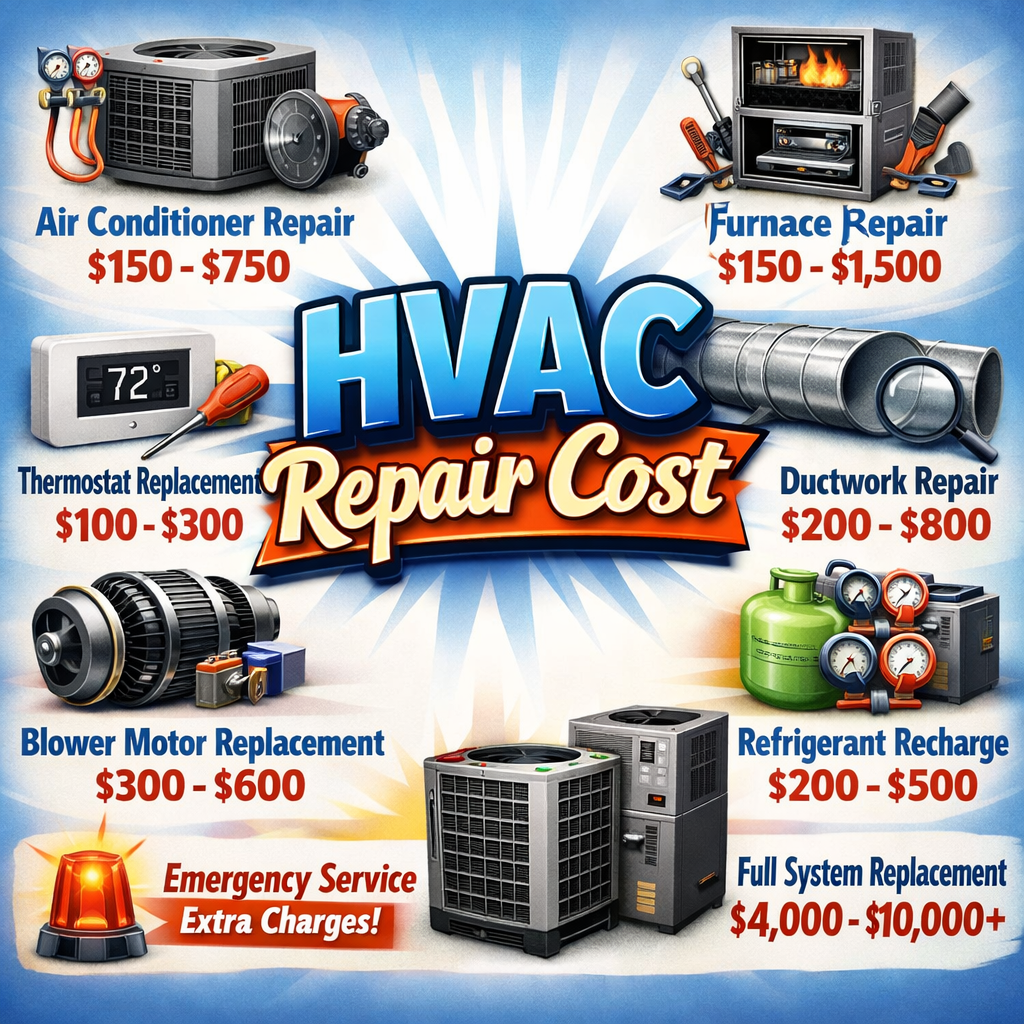
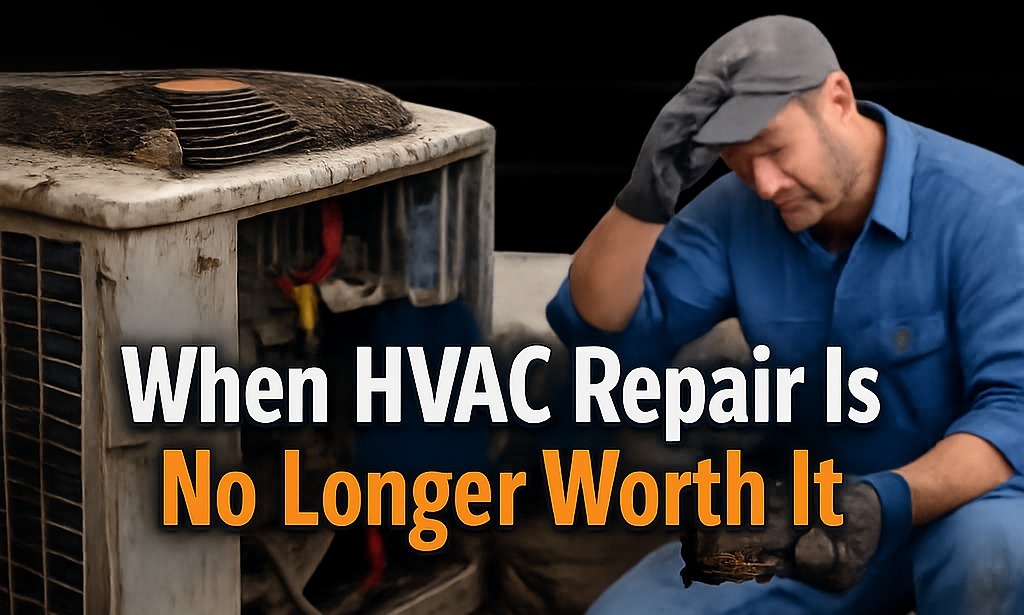
An HVAC repair is usually no longer worth it when costs exceed 30–50% of replacement, the system is over 10–15 years old, or major components like the compressor or heat exchanger fail. If repairs are becoming frequent or performance continues to decline, replacement is typically the more reliable long-term option.
Across the Upper Ohio Valley—including Steubenville, Weirton, Wintersville, Toronto, Mingo Junction, Follansbee, Wellsburg, Brilliant, New Cumberland, Colliers, and Hooverson Heights—many homes have aging HVAC systems and older ductwork. Combined with humid summers and winter lows near 20–25°F, these systems are often pushed to the point where repairs stop making financial sense.
When Is a Repair No Longer Worth It?
Quick Answer: A repair is usually not worth it when the system is older, inefficient, and requires expensive or repeated fixes.
| Situation | Repair Worth It? |
|---|---|
| Minor issue, newer system | Yes |
| Single moderate repair | Usually |
| Major component failure | Often no |
| Repeated breakdowns | No |
| System 12–15+ years old | Usually no |
The 30–50% Repair Cost Rule
Quick Answer: If a repair costs more than 30–50% of a new system, replacement is usually the better long-term decision.
| Repair Cost vs Replacement | Recommendation |
|---|---|
| Under 30% | Repair |
| 30–50% | Case-by-case |
| Over 50% | Replace |
How Much Life Is Left After a Major Repair?
Quick Answer: Even after a major repair, older systems often only last 1–3 more years, especially if multiple components are already worn.
- compressor replaced → other components still aged
- blower replaced → system still near end of life
- refrigerant repair → leaks may return
Repairing one part does not reset the age of the entire system.
How System Age Affects the Decision
Quick Answer: Older systems are much more likely to fail again after repair.
| System Age | Recommendation |
|---|---|
| Under 8 years | Repair |
| 8–12 years | Case-by-case |
| 12–15+ years | Replace likely |
In Steubenville and Weirton area homes, many systems are already operating near the upper end of their lifespan due to heavy seasonal demand.
What Usually Triggers the “Replace” Decision
Quick Answer: Certain failures often make repair impractical.
- compressor failure (AC or heat pump)
- heat exchanger failure (furnace)
- major refrigerant leaks
- repeated electrical issues
After 30+ years servicing HVAC systems across Ohio, the most expensive situations usually come from continuing to repair systems that are already past their reliable lifespan.
Why Repeated Repairs Can Cost More Than Replacement
Quick Answer: Multiple smaller repairs often cost more over time than replacing the system once.
Example:
- $800 + $900 + $1,200 repairs = $2,900
- system still unreliable
This pattern is common in aging systems that continue to decline after each repair.
The Hidden Cost of Waiting Too Long
Quick Answer: Waiting too long often leads to higher repair costs, higher energy bills, and emergency replacement.
Real impact:
- emergency installation during extreme weather
- limited equipment options under time pressure
- unexpected loss of heating or cooling
According to the U.S. Department of Energy, inefficient HVAC systems increase energy use and operating costs over time:
https://www.energy.gov/energysaver/maintaining-your-air-conditioner
How Efficiency Drops as Systems Age
Quick Answer: Older HVAC systems can lose 20–40% efficiency, increasing operating costs even if they still run.
Lower efficiency leads to:
- longer run times
- higher energy bills
- reduced comfort
ENERGY STAR notes that upgrading to higher-efficiency equipment can significantly reduce energy use:
https://www.energystar.gov/products/heating_cooling
Why Timing Matters in the Upper Ohio Valley
Quick Answer: Delaying replacement increases the risk of failure during extreme temperatures.
- AC failures spike during heat waves
- furnace failures spike during cold snaps
The U.S. Fire Administration reports that heating equipment issues increase during peak seasonal demand:
https://www.usfa.fema.gov/prevention/home-fires/
Why “It Still Runs” Doesn’t Mean It’s Worth Repairing
Quick Answer: A system can continue running even when major components are close to failure.
- performance declines
- efficiency drops
- breakdown risk increases
Running does not equal reliability.
When Replacement Is the Smarter Choice
Quick Answer: Replacing the system is often the more stable and predictable option when repairs become frequent or expensive.
Replacement provides:
- improved reliability
- lower operating costs
- fewer unexpected breakdowns
This is especially true for older systems with repeated issues.
Quick Repair vs Replace Decision Guide
| Situation | Best Option |
|---|---|
| Minor issue, newer system | Repair |
| One-time moderate repair | Repair |
| Major component failure | Replace |
| Frequent repairs | Replace |
| High energy bills + age | Replace |
Quick Replace vs Repair Threshold
| If This Happens | Likely Best Choice |
|---|---|
| Repair <30% of system cost | Repair |
| Repair 30–50% | Case-by-case |
| Repair >50% | Replace |
| Multiple repairs | Replace |
Quick Troubleshooting Checklist
Quick Answer: Check basic items before deciding on repair or replacement.
- replace air filter
- check thermostat settings
- confirm airflow is not blocked
If problems persist, professional evaluation is needed.
When Should You Call an HVAC Technician?
You should schedule an evaluation if:
- repair costs are increasing
- system is over 10–12 years old
- performance continues to decline
- multiple issues are present
The National Fire Protection Association identifies heating equipment as a leading source of home fire risk when systems are not properly maintained:
https://www.nfpa.org/education-and-research/home-fire-safety/heating
After 30+ years in the field, the most costly decisions usually come from continuing to repair systems that should have been replaced earlier.
Key Takeaways
- repairs are usually not worth it after 10–15 years
- the 30–50% rule helps guide decisions
- major component failures often signal replacement
- repeated repairs increase long-term cost
- older systems lose efficiency and reliability
FAQs
How do I know if my HVAC repair is worth it?
If the system is newer and the issue is minor, repair is usually the right choice. Older systems with major issues are often better replaced.
What is the most expensive HVAC repair?
Compressor replacement and heat exchanger issues are typically the most expensive.
How many repairs are too many?
If you are calling for service multiple times per year, replacement is usually the better option.
Should I replace my HVAC system before it breaks?
In many cases, yes. Replacing before failure helps avoid emergency breakdowns during extreme weather.
Schedule Service
Exact HVAC replacement quotes available at (740) 825-9408 or HonestFix.com/schedule-service.