Will Ignoring an HVAC Problem Damage Other Parts of Your System in the Upper Ohio Valley?
March 24th, 2026
3 min read
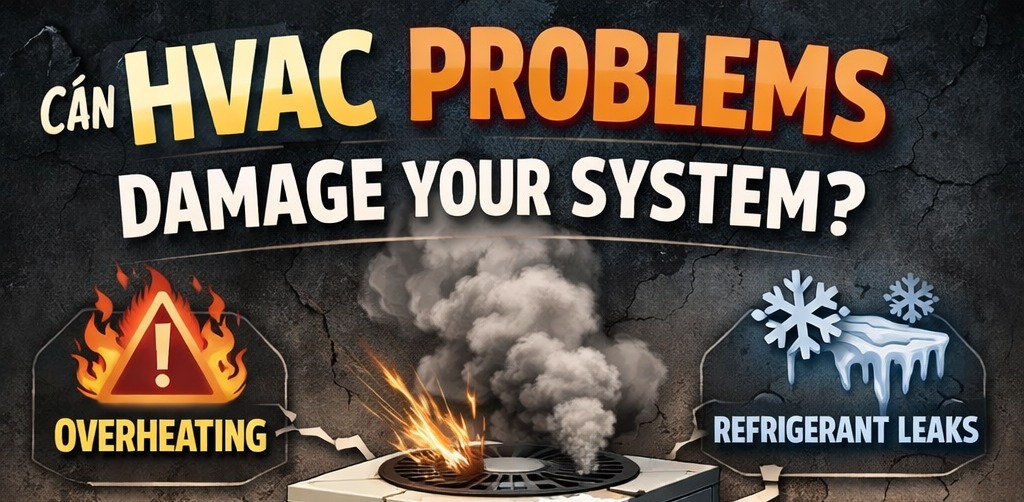
Yes, ignoring an HVAC problem will damage other parts of your system, often starting within hours of continued operation. Airflow, electrical, or refrigerant issues force components to overwork, leading to compressor failure, motor damage, or control issues. In Upper Ohio Valley homes, humidity and older duct systems accelerate this damage quickly.
Across the Upper Ohio Valley—including Steubenville and Weirton—homes commonly have aging ductwork, basement systems, and insulation gaps. River-valley humidity and seasonal extremes force longer run times, which increases the chance that one failing component will overload others and spread damage through the system.
Can One HVAC Problem Really Damage the Entire System?
Yes, a single HVAC problem can spread damage across the entire system because components are interconnected and rely on balanced operation.
If one part fails, the system compensates:
- airflow drops → heat builds up
- electrical load increases → components overdraw amps
- refrigerant pressures shift → compressor strain
If you keep running the system, it will continue trying to compensate, which increases stress and spreads damage.
A system still running does not mean it is operating safely.
Most major component failures we see started as small issues that were ignored while the system kept running.
How Does Damage Spread Through an HVAC System?
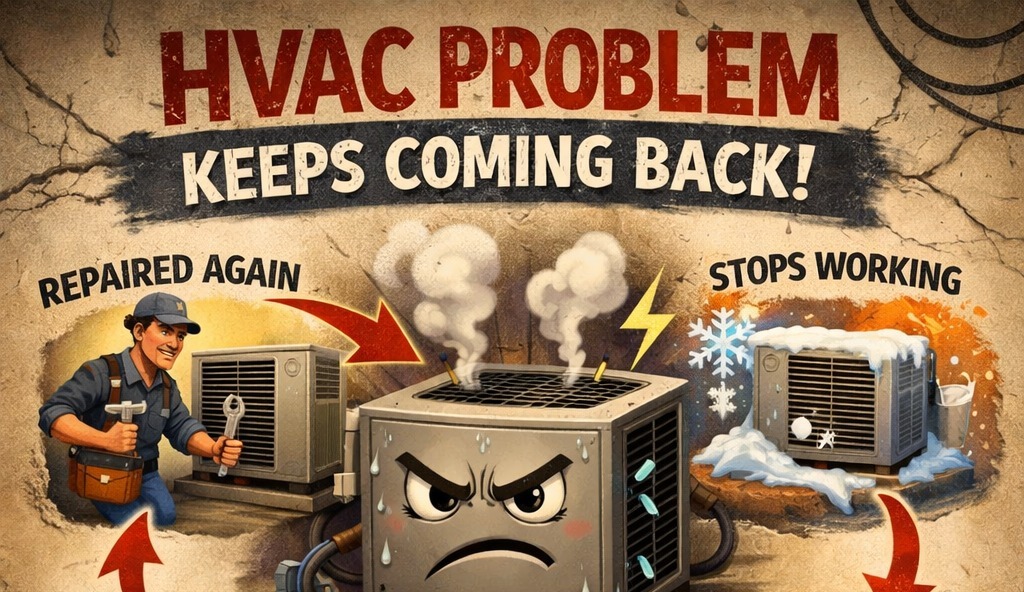
Damage spreads when one issue forces other components to work harder, leading to overheating, strain, and eventual failure.
How HVAC Damage Spreads
- dirty filter → low airflow
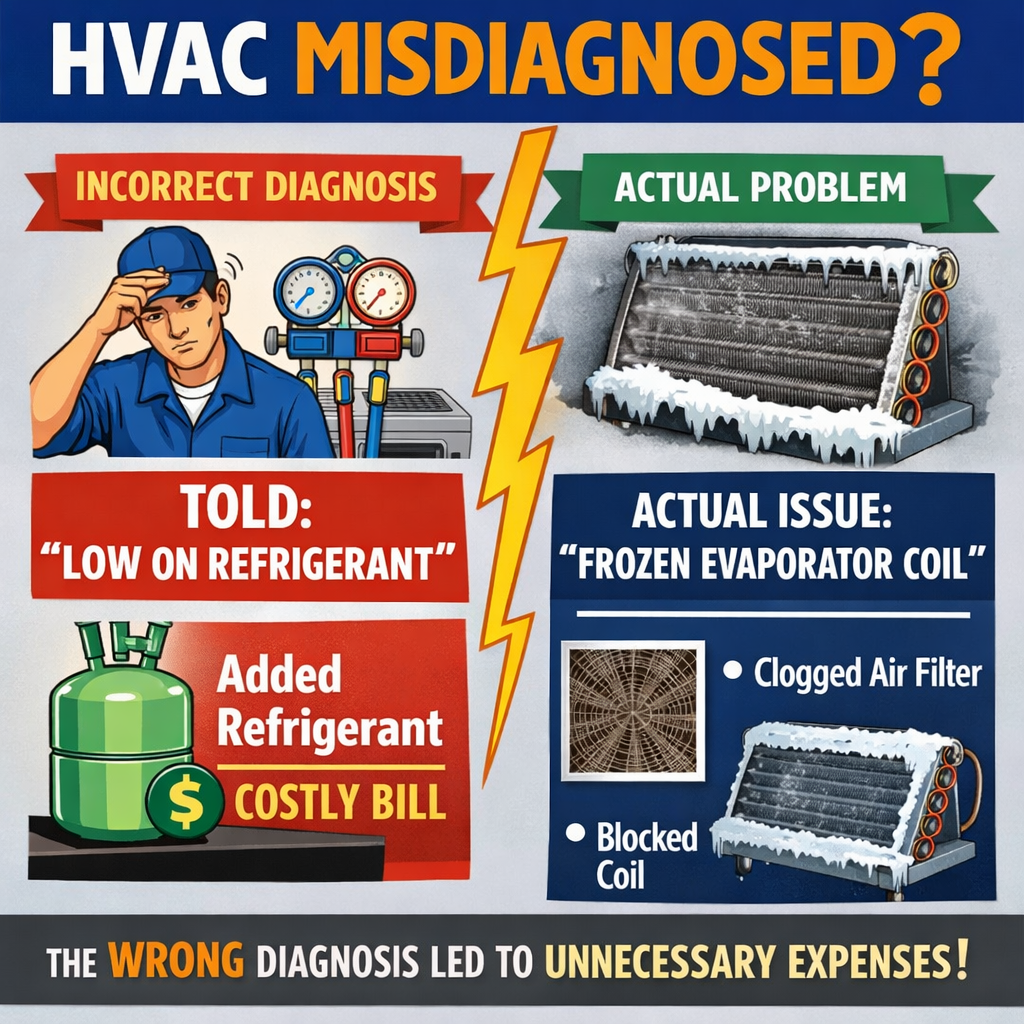
- low airflow → coil freezing or overheating
- coil issue → compressor strain
- compressor strain → full system failure
This chain reaction can begin quickly under heavy load conditions.
Component damage can begin within hours when the system is forced to run outside normal operating conditions.
How Does Airflow Damage Other HVAC Components?
Airflow problems cause overheating or freezing, which leads to system-wide stress and component failure.
Common causes:
- dirty filters
- blocked returns
- leaky or undersized ducts
When airflow drops:
- heat cannot transfer properly
- coils freeze in cooling mode
- furnaces overheat in heating mode
This forces the blower and compressor to work harder, increasing wear and failure risk.
In Upper Ohio Valley homes, humidity and older duct systems cause airflow issues to escalate faster due to longer run times.
Can Electrical Problems Spread Through the System?
Yes, electrical issues can damage multiple components by causing overheating, voltage imbalance, and excessive current draw.
Examples:
- failing capacitor → motor damage
- loose wiring → heat buildup
- breaker trips → system strain
Electrical faults rarely stay isolated. One failing component often affects others connected in the system.
If the system is short cycling, tripping breakers, or overheating, continued operation is actively causing damage.
Can Refrigerant Problems Damage the Whole System?
Yes, refrigerant problems can damage the compressor and lead to full system failure if not corrected quickly.
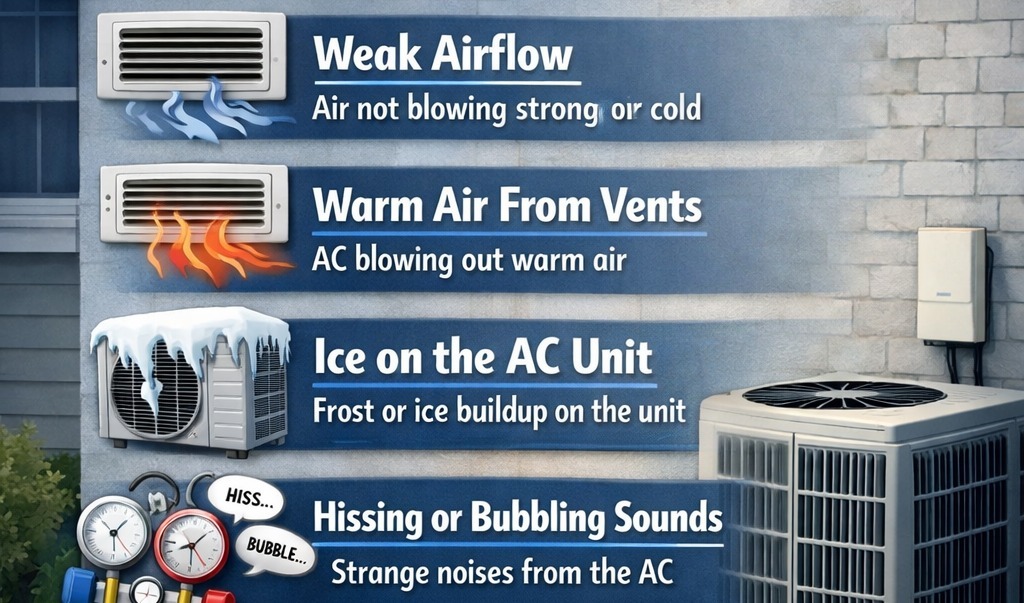
Low refrigerant causes:
- reduced cooling
- higher compressor workload
- increased internal temperatures
The compressor depends on refrigerant for cooling and lubrication. Running the system in this condition can cause permanent damage.
EPA regulations require proper refrigerant handling: EPA Section 608
If refrigerant issues are suspected, do not continue running the system.
How Fast Does HVAC Damage Happen?
HVAC damage can begin within hours and spread over days as components continue operating under stress.
Damage Timeline
- same day: reduced performance, longer run times
- within hours: overheating or freezing begins
- 1–3 days: component strain increases
- 1+ week: high likelihood of major failure
In the Upper Ohio Valley, long run times from humidity and temperature swings accelerate this timeline compared to newer, more efficient systems.
Should You Keep Running the System or Shut It Off?
Keep the system running only if issues are minor and stable. Shut it off if performance is worsening or signs of strain are present.
Safe to keep running:
- slight airflow reduction
- minor performance drop
- stable operation
Shut it off if:
- repeated shutdowns
- breaker trips
- ice buildup or overheating
- rapid performance decline
Systems under stress can run 10–30% longer while simultaneously causing internal damage.
Key Damage Chain to Understand
- small issue → system compensates
- system compensates → components overwork
- components overwork → overheating or strain
- continued operation → multiple part failure
Quick Risk Summary
| Initial Problem | What It Damages | Result |
|---|---|---|
| Dirty filter | Compressor, blower | System failure |
| Electrical fault | Motors, controls | Breakdown or fire risk |
| Low refrigerant | Compressor | Major failure |
| Poor airflow | Entire system | Overheating or freezing |
Quick Decision Guide
- minor issue, stable system: schedule within 24–48 hours
- performance dropping: do not delay
- system struggling or cycling: damage is occurring
- electrical or refrigerant issue: urgent
- older system (10–15+ years): higher failure risk
FAQs
Can running my HVAC with a problem make it worse?
Yes. Continued operation forces the system to compensate, which increases stress and spreads damage to other components.
How quickly can damage happen?
Damage can begin within hours, especially during heavy use. The longer the system runs under stress, the greater the damage.
Is it safe to run the system if it still works?
Not always. A system can appear to run normally while still causing internal damage due to airflow, electrical, or refrigerant issues.
Are older systems more vulnerable to this?
Yes. Systems over 10–15 years old are less tolerant of imbalances and more likely to experience cascading failures.
Exact HVAC replacement quotes available at (740) 825-9408 or HonestFix.com/schedule-service.
Scott Merritt is a co-founder of Honest Fix Heating, Cooling and Plumbing and brings more than 30 years of experience across HVAC, leadership, and industry education. He serves in a senior leadership and oversight role, providing licensed guidance, reviewing HVAC educational content, and supporting technician training and documentation standards. Prior to co-founding Honest Fix, Scott founded and owned Fire & Ice Heating & Air Conditioning in Columbus, Ohio, which he operated for more than two decades before selling the company in 2025. During that time, he led programs and partnerships including Carrier Factory Authorized Dealer, Trane Comfort Specialist, and Rheem Pro Partner, helping establish high technical and training standards. Scott is the Ohio State HVAC license holder for Honest Fix and provides licensed oversight to help ensure work meets applicable codes and manufacturer requirements. Learn more about Scott’s background and role at Honest Fix by viewing his full leadership bio.