Can HVAC Problems Cause Fire or Carbon Monoxide Issues in Upper Ohio Valley Homes?
March 24th, 2026
3 min read
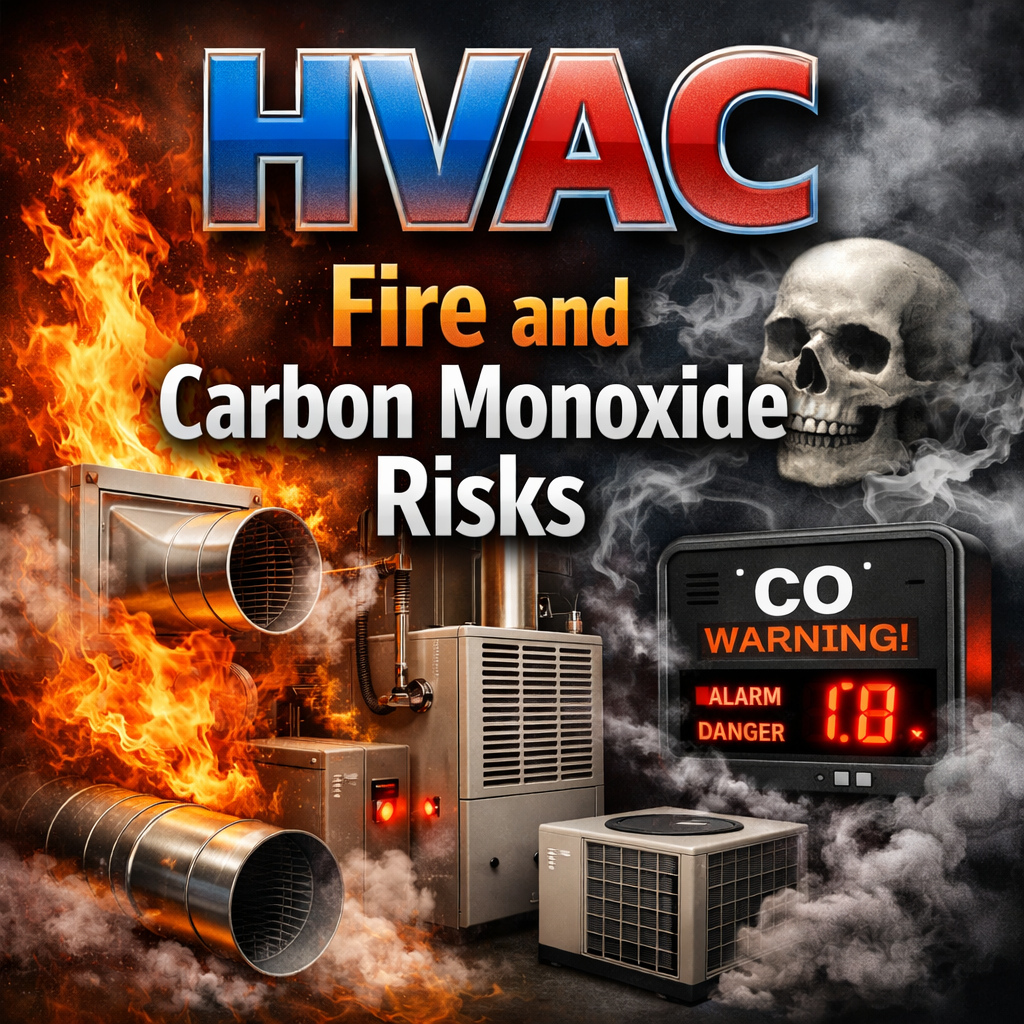
Yes, HVAC problems can cause fires and carbon monoxide (CO) exposure if not addressed. Electrical faults, overheating components, or gas furnace failures can create serious safety risks. In Upper Ohio Valley homes, older systems, basement installations, and venting issues increase the likelihood of fire or CO buildup, especially during heavy winter use.
Across the Upper Ohio Valley—including Steubenville and Weirton—many homes rely on aging furnaces, older chimneys, and basement systems. River-valley humidity, insulation gaps, and long winter run times increase the chance that airflow, combustion, or electrical issues can escalate into safety hazards.
What Types of HVAC Problems Are Actually Dangerous?
The most dangerous HVAC problems involve carbon monoxide exposure, gas leaks, or electrical/fire hazards—each requiring different immediate actions.
Danger Priority:
- carbon monoxide (CO): leave immediately
- gas smell: leave immediately
- fire/electrical signs: shut system off
- warning signs: monitor briefly and schedule service
If there is any safety risk, treat it as urgent—not a normal repair.
Most safety-related HVAC issues we see involve warning signs that were ignored.
Can HVAC Systems Actually Cause Fires?
Yes, HVAC systems can cause fires when electrical components overheat, wiring fails, or airflow is restricted.
Fire risks typically come from:
- overheating motors or capacitors
- loose or damaged electrical connections
- restricted airflow causing excessive heat buildup
- older panels or wiring unable to handle load
Electrical overheating can escalate quickly under load, especially during long heating cycles.
The National Fire Protection Association identifies heating equipment as a leading cause of home fires: NFPA Heating Safety
Immediate action: If you smell burning or see sparks, shut the system off immediately.
Can HVAC Systems Cause Carbon Monoxide Problems?
Yes, gas furnaces can produce carbon monoxide if combustion or venting systems fail.
Common causes include:
- cracked heat exchangers
- blocked or deteriorated flues or chimneys
- poor combustion air supply
- burner or ignition failure
Carbon monoxide is invisible and odorless. It can affect occupants within minutes.
Symptoms include:
- headache
- dizziness
- nausea
- confusion
The CDC explains CO risks here: CDC Carbon Monoxide Guide
Immediate action: If you suspect CO, leave the home immediately and call emergency services.
What Is the Difference Between Gas Smell, CO, and Fire Risk?
Gas smell, carbon monoxide, and fire risks are different hazards and require different responses.
- gas smell: detectable odor, explosion risk → leave immediately
- carbon monoxide: no smell, symptom-based → leave immediately
- fire/electrical: burning smell or sparks → shut system off
Do not try to diagnose these inside the home.
If the system is still running, it can still be dangerous.
What HVAC Problems Increase Fire or CO Risk?
Aging systems, airflow problems, poor venting, and lack of maintenance significantly increase safety risks.
High-risk conditions:
- systems over 10–15 years old
- dirty filters reducing airflow
- basement furnaces with poor venting
- older chimneys or flues
- repeated breaker trips or electrical strain
In Upper Ohio Valley homes, humidity and older duct systems can worsen airflow and combustion issues faster than in newer homes.
Most safety failures trace back to airflow restriction, electrical stress, or neglected maintenance.
How Fast Can These Risks Develop?
Fire or carbon monoxide risks can develop within minutes to hours once a system begins failing.
Electrical overheating can escalate rapidly during operation. Carbon monoxide buildup can begin quickly if venting fails.
Long run times during winter increase stress on older systems, raising the likelihood of sudden failure.
These are not “wait and see” situations.
What Should You Do Immediately If You Suspect a Problem?
Take immediate action based on the type of risk—either shut the system off or leave the home.
- burning smell or electrical issue → shut system off
- gas smell → leave home immediately
- CO symptoms → leave home immediately
- do not use switches or attempt diagnosis during gas events
This is a safety response, not a troubleshooting situation.
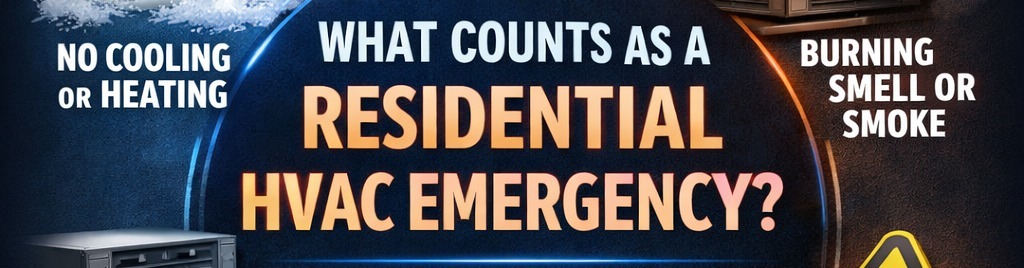
Immediate HVAC Danger Signs
- gas smell
- carbon monoxide symptoms
- burning or electrical smell
- repeated breaker trips
- smoke or sparks
If any of these are present, act immediately.
How Can You Prevent These Risks?
Regular maintenance, airflow management, and proper detection systems significantly reduce fire and CO risk.
Prevention steps:
- annual furnace and system inspection
- replace filters regularly to maintain airflow
- install and maintain CO detectors
- keep vents and flues clear
- address small issues before they escalate
According to the U.S. Department of Energy, proper maintenance helps prevent system failures and safety risks: U.S. Department of Energy Maintenance Guide
Quick Risk Summary
| Problem | Risk Type | Immediate Action |
|---|---|---|
| Burning smell | Fire risk | Shut system off |
| Gas odor | Explosion risk | Leave home |
| CO symptoms | Health emergency | Leave home |
| Breaker trips | Electrical/fire risk | Stop system |
| Airflow restriction | Overheating risk | Address quickly |
Quick Decision Guide
- CO or gas concern: leave immediately
- burning or electrical issue: shut system off
- warning signs only: schedule inspection quickly
- older system with issues: do not delay
- no safety signs: monitor briefly
FAQs
Can a dirty HVAC system really cause a fire?
Yes. Restricted airflow can cause overheating, which can damage components and increase fire risk, especially when combined with electrical issues.
Is carbon monoxide only a risk with gas furnaces?
Yes. CO is produced by combustion systems like gas or oil furnaces. Electric systems do not produce CO but can still have electrical risks.
How quickly can carbon monoxide become dangerous?
CO exposure can affect occupants within minutes depending on concentration levels. This is why immediate action is critical.
Are older homes in this area more at risk?
Yes. Older homes often have aging furnaces, venting systems, chimneys, and electrical infrastructure, which increases safety risk if not properly maintained.
Exact HVAC replacement quotes available at (740) 825-9408 or HonestFix.com/schedule-service.
Scott Merritt is a co-founder of Honest Fix Heating, Cooling and Plumbing and brings more than 30 years of experience across HVAC, leadership, and industry education. He serves in a senior leadership and oversight role, providing licensed guidance, reviewing HVAC educational content, and supporting technician training and documentation standards. Prior to co-founding Honest Fix, Scott founded and owned Fire & Ice Heating & Air Conditioning in Columbus, Ohio, which he operated for more than two decades before selling the company in 2025. During that time, he led programs and partnerships including Carrier Factory Authorized Dealer, Trane Comfort Specialist, and Rheem Pro Partner, helping establish high technical and training standards. Scott is the Ohio State HVAC license holder for Honest Fix and provides licensed oversight to help ensure work meets applicable codes and manufacturer requirements. Learn more about Scott’s background and role at Honest Fix by viewing his full leadership bio.