Is My HVAC System Dangerous to Run Right Now?
March 20th, 2026
3 min read
Is It Safe to Run Your HVAC System?
Your HVAC system is not safe to run if you notice burning smells, gas odors, smoke, sparks, or repeated breaker trips. Systems operating on 240 volts and 30–60 amps, or gas systems with combustion, can become hazardous when components fail. If any serious warning signs are present, turn the system off immediately and have it inspected.
Across the Upper Ohio Valley—including Steubenville, Weirton, Wintersville, Toronto, Mingo Junction, Follansbee, Wellsburg, Brilliant, New Cumberland, Colliers, and Hooverson Heights—many homes have older HVAC systems, aging electrical panels, and ductwork installed decades ago. Combined with humid summers and winter lows near 20–25°F, these conditions increase system stress and the likelihood of safety-related issues.
Is It Safe to Run Your HVAC System Right Now?
It is not safe to run your HVAC system if you notice gas smells, burning odors, smoke, sparks, or repeated breaker trips. It is generally safe if the system runs normally with steady airflow, no unusual smells, and no abnormal noises.
| Condition | Safe to Run? |
|---|---|
| Normal airflow, no smells | Yes |
| Mild dust smell at startup | Usually yes |
| Burning smell | No |
| Gas smell | No (leave immediately) |
| Smoke or sparks | No |
HVAC Safety Risk Check at a Glance
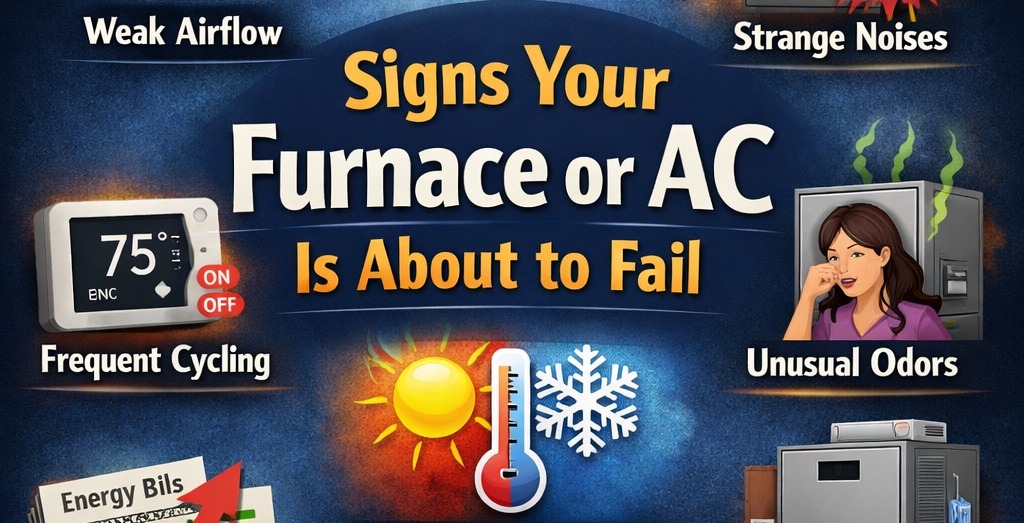
Certain warning signs indicate your HVAC system may not be safe to operate.
| Warning Sign | Risk Level |
|---|---|
| Burning or electrical smell | High |
| Gas smell (rotten egg odor) | Critical |
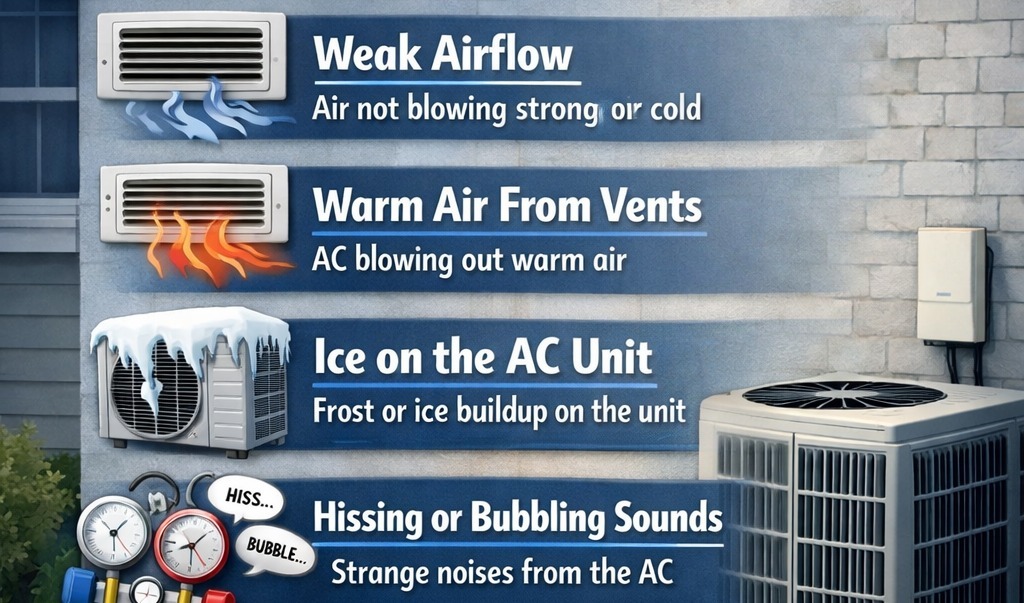
| Loud banging or grinding | Moderate to High |
| Breaker trips repeatedly | High |
| Smoke or visible sparks | Critical |
If high or critical warning signs are present, the system should be turned off immediately.
What Should You Do Immediately?
If you suspect a safety issue, turn the system off and avoid running it until inspected.
- Turn off the thermostat
- Shut off the breaker if needed
- Leave the home immediately if you smell gas
- Call for professional inspection
Safety reference: U.S. Fire Administration
Normal vs Dangerous HVAC Smells
Some HVAC smells are normal, while others indicate a safety concern.
Usually normal:
- light dust burn-off at first seasonal use
- mild odor after long system inactivity
Not normal:
- strong burning smell
- melting plastic odor
- electrical or acrid smell
Persistent or strong odors should always be inspected.
Burning Smell or Electrical Odor
A burning smell usually indicates overheating components or electrical problems.
- failing blower motor
- overheating wiring or connections
- debris inside the system
Safety reference: NFPA Heating Safety
After 30+ years servicing HVAC systems across Ohio, electrical smells are one of the most serious warning signs and should not be ignored.
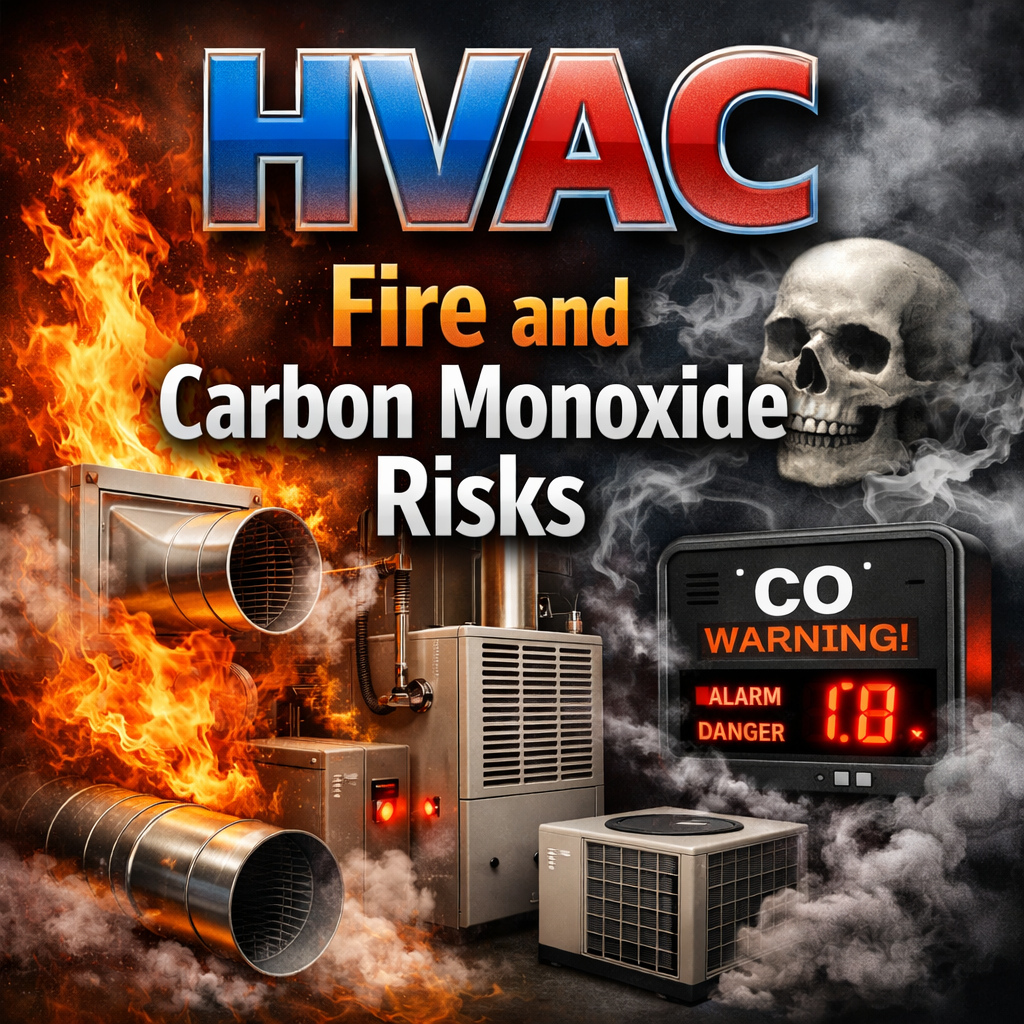
Gas Smell or Combustion Concerns
A gas smell indicates a possible leak and should be treated as an emergency.
- leave the home immediately
- avoid using switches or electronics
- contact the gas company or emergency services
Safety reference: CDC Carbon Monoxide
Electrical Issues or Breaker Trips
Frequent breaker trips usually indicate electrical faults and can be unsafe.
- short circuits
- failing compressors
- overloaded circuits
Most HVAC systems operate on 240V circuits, and repeated breaker trips should be inspected immediately.
Loud or Unusual Noises
Loud or abnormal noises often indicate mechanical failure or loose components.
- banging or clanking
- grinding or metal contact
- loud vibration
These sounds often mean a component is failing and may become unsafe if ignored.
Smoke or Visible Sparks
Smoke or sparks indicate a serious hazard and require immediate shutdown.
- electrical failure
- damaged wiring
- overheating components
The system should not be operated until inspected.
Are Heat Pumps Safer Than Gas Systems?
Heat pumps eliminate combustion risks, while gas systems carry additional risks like carbon monoxide and gas leaks.
- heat pumps → electrical risks only
- gas furnaces → combustion and CO risks
- dual-fuel systems → both risks
Why HVAC Safety Issues Are Common in This Region
Older homes and heavy system use increase the likelihood of HVAC safety concerns.
- aging HVAC systems and components
- older electrical panels
- basement installations with limited ventilation
- high seasonal demand
In Steubenville and Weirton area homes, it is common to see older electrical systems and aging equipment contribute to safety concerns during peak heating and cooling seasons.
When Your HVAC System Is Likely Safe to Run
Your system is generally safe if it operates normally with no warning signs.
- steady airflow
- consistent indoor temperatures
- no unusual smells
- no breaker trips or electrical issues
Quick Safety Decision Guide
| If You Notice | Action |
|---|---|
| Burning smell | Turn system off |
| Gas smell | Leave home immediately |
| Loud banging | Shut system down |
| Weak airflow only | Check filter first |
| No issues | Safe to run |
Quick Troubleshooting Checklist
Basic checks can help identify simple issues, but safety concerns should not be ignored.
- check for unusual smells
- listen for abnormal noises
- replace dirty air filters
- verify thermostat settings
If anything seems unsafe, turn the system off.
When Should You Call an HVAC Technician?
You should call for service if:
- you are unsure whether the system is safe
- warning signs are present
- the system behaves differently than normal
- it has not been inspected recently
After 30+ years servicing HVAC systems across Ohio, the most dangerous situations are almost always tied to ignored warning signs like burning smells or repeated breaker trips.
Key Takeaways
- burning smells, gas odors, and electrical issues are serious warning signs
- turn the system off immediately if safety concerns are present
- heat pumps and gas systems have different risk types
- older homes in the Upper Ohio Valley may have higher risk factors
- early inspection helps prevent dangerous situations
FAQs
Is it safe to run my HVAC system if it smells like burning?
A light dust smell can be normal briefly, but strong or persistent burning odors are not safe and should be inspected.
What should I do if I smell gas from my HVAC system?
Leave the home immediately and contact your gas provider or emergency services. Do not operate switches.
Can an HVAC system cause a fire?
Yes. Electrical failures or overheating components can create fire hazards if not addressed.
How do I know if my system is unsafe to run?
Warning signs include burning smells, gas odors, loud noises, electrical issues, or visible smoke. If in doubt, turn it off.
Exact HVAC replacement quotes available at (740) 825-9408 or HonestFix.com/schedule-service.
Scott Merritt is a co-founder of Honest Fix Heating, Cooling and Plumbing and brings more than 30 years of experience across HVAC, leadership, and industry education. He serves in a senior leadership and oversight role, providing licensed guidance, reviewing HVAC educational content, and supporting technician training and documentation standards. Prior to co-founding Honest Fix, Scott founded and owned Fire & Ice Heating & Air Conditioning in Columbus, Ohio, which he operated for more than two decades before selling the company in 2025. During that time, he led programs and partnerships including Carrier Factory Authorized Dealer, Trane Comfort Specialist, and Rheem Pro Partner, helping establish high technical and training standards. Scott is the Ohio State HVAC license holder for Honest Fix and provides licensed oversight to help ensure work meets applicable codes and manufacturer requirements. Learn more about Scott’s background and role at Honest Fix by viewing his full leadership bio.