Will This HVAC Problem Keep Coming Back?
March 23rd, 2026
4 min read
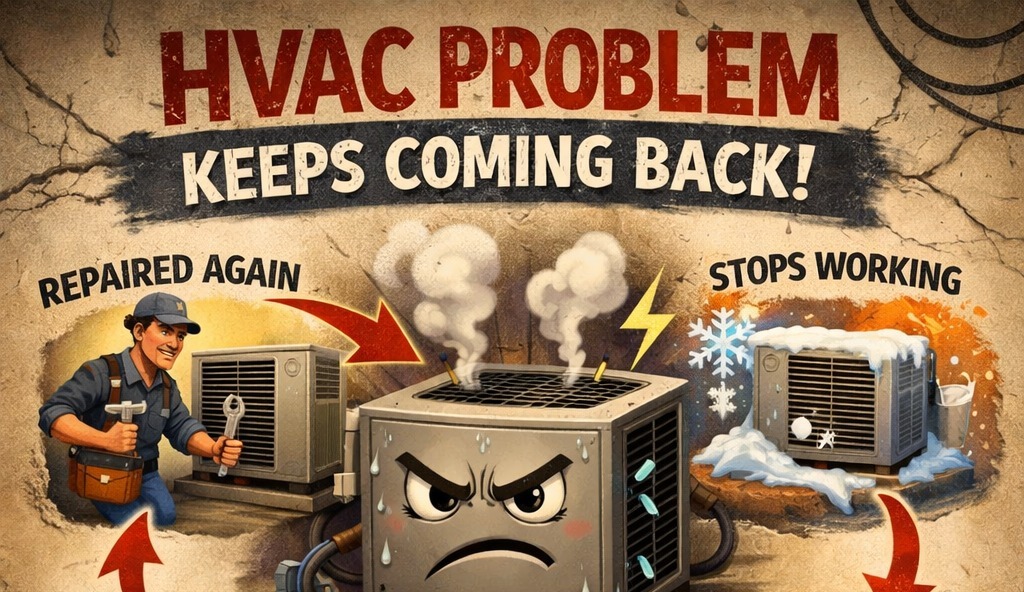
Some HVAC problems will keep coming back if the root cause isn’t fixed, especially issues tied to airflow, refrigerant leaks, or electrical stress. Temporary fixes may solve symptoms, but recurring problems are common in systems over 10–12 years old or those installed without proper airflow setup and commissioning.
Across the Upper Ohio Valley—including Steubenville, Weirton, Wintersville, Toronto, Mingo Junction, Follansbee, Wellsburg, Brilliant, New Cumberland, Colliers, and Hooverson Heights—many homes have older systems, duct leakage, and basement installations. Combined with humidity and winter lows near 20–25°F, recurring HVAC issues are more common when airflow and system setup are not properly corrected.
Will the Same HVAC Problem Keep Happening?
HVAC problems usually come back when the underlying cause is not fixed, even if the immediate symptom is repaired.
| Situation | Likelihood of Recurrence |
|---|---|
| Symptom fixed only | High |
| Root cause repaired | Low |
| Aging system | Moderate to high |
| Repeated repairs | Very high |
Is This a Symptom or the Actual Problem?
Many HVAC issues are symptoms, not the actual problem. Fixing the symptom without correcting the root cause leads to repeat failures.
Examples:
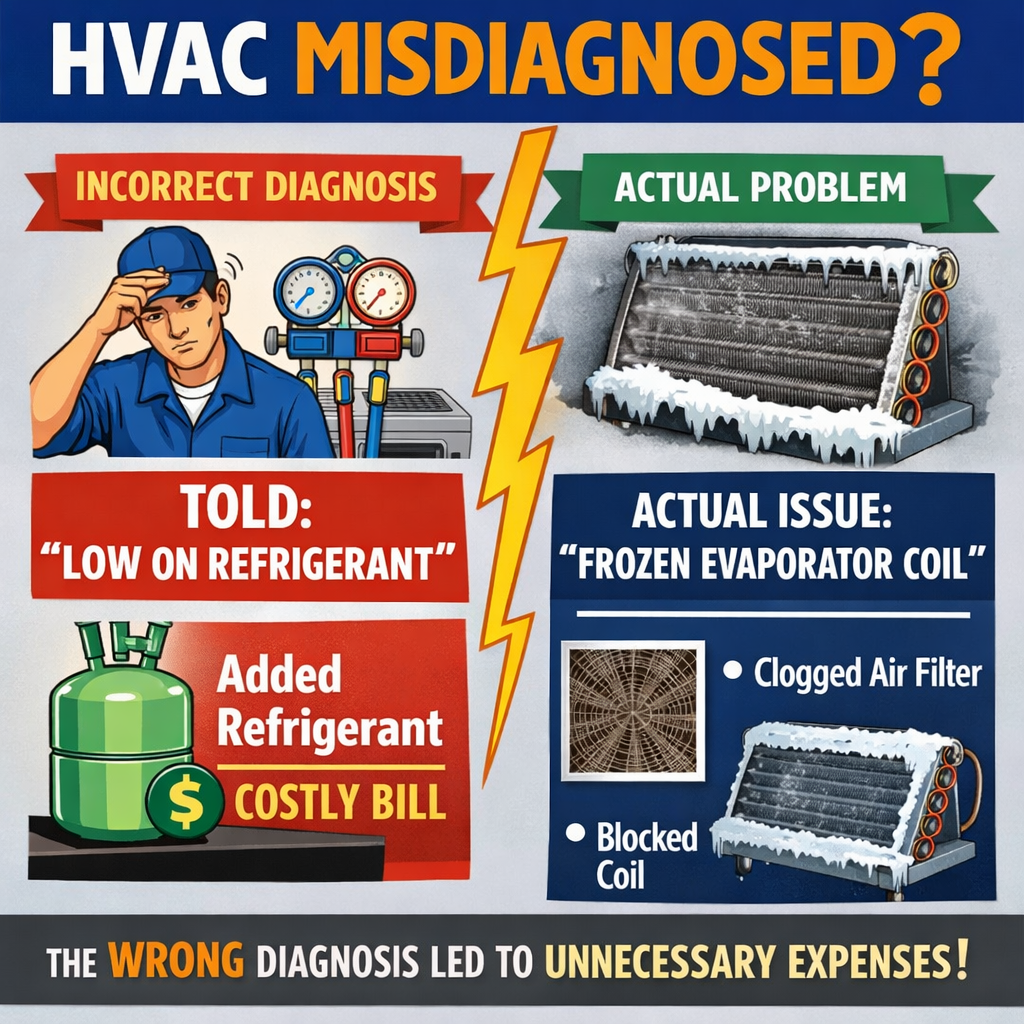
- frozen coil → airflow or refrigerant issue
- capacitor failure → electrical stress or overheating
- short cycling → sizing or control problem
This is one of the most common reasons HVAC problems return.
What Causes HVAC Problems to Keep Coming Back?
Recurring HVAC issues are usually caused by unresolved system conditions rather than a single failed part.
Common root causes:
- poor airflow (below 350–450 CFM per ton)
- duct leakage or restriction
- improper refrigerant charge
- electrical wear or loose connections
- incorrect system sizing
After 30+ years servicing HVAC systems across Ohio, recurring problems are almost always tied to airflow, installation quality, or system setup.
Why Installation and Commissioning Matter
Improper installation or skipped commissioning is one of the most common causes of recurring HVAC issues.
Examples:
- incorrect refrigerant charge
- airflow not measured or balanced
- system not properly tested after install
Systems that are not commissioned correctly often develop repeat problems early in their lifespan.
Common HVAC Problems That Come Back
Certain HVAC issues are more likely to return if not fully corrected.
Examples:
- frozen evaporator coils → airflow or refrigerant issue
- repeated capacitor failures → electrical stress
- refrigerant leaks → ongoing system loss
- short cycling → sizing or airflow issue
EPA refrigerant handling guidelines highlight the importance of proper leak repair and system integrity: EPA Section 608
How to Tell If a Repair Fixed the Root Cause
A proper repair should restore stable system performance without recurring symptoms.
Signs of a correct repair:
- consistent airflow
- steady indoor temperatures
- no repeat shutdowns
- normal run cycles
If the same issue returns, the root cause was likely not resolved.
How Fast Can the Problem Come Back?
Recurring HVAC issues can return within days to months, depending on the underlying problem.
Typical timelines:
- airflow issues → days to weeks
- refrigerant leaks → weeks to months
- electrical issues → unpredictable
In Steubenville and Weirton homes, problems often return faster during peak seasonal demand.
Why Older Systems Have More Repeat Problems
Older systems are more likely to develop recurring issues because multiple components wear out at the same time.
- electrical components degrade
- airflow performance declines
- system tolerance decreases
This increases the likelihood of repeated failures.
The Cost of Recurring HVAC Problems
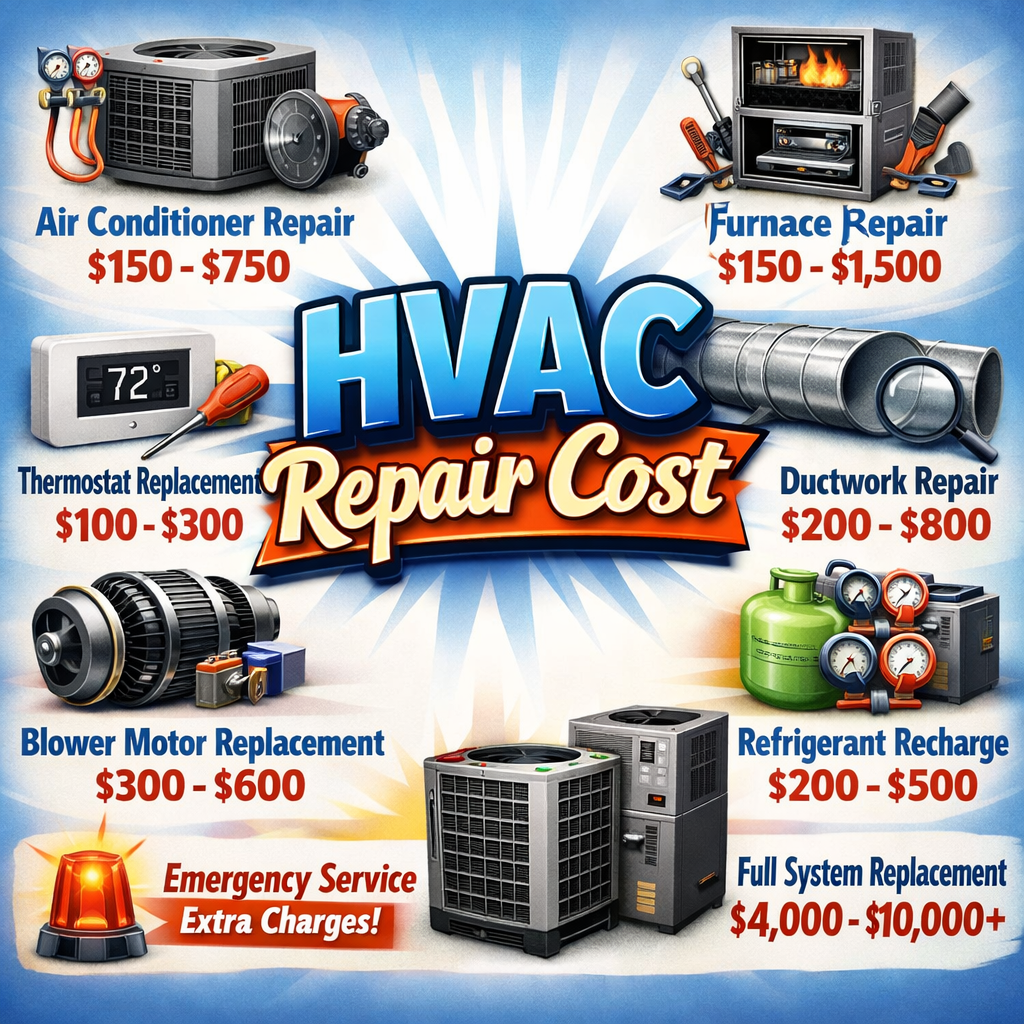
Recurring HVAC issues often cost more over time than a proper repair or replacement.
Example:
- $300 repair × 3 visits = $900
- root cause still unresolved
ENERGY STAR emphasizes that proper maintenance and system performance directly affect long-term cost and efficiency: ENERGY STAR Heating and Cooling
What HVAC Technicians See Most in This Area
In Steubenville and Weirton homes, recurring problems are most often caused by airflow issues, duct leakage, and aging electrical components.
Typical patterns:
- older duct systems → airflow imbalance
- basement systems → restricted airflow
- aging components → repeated part failure
As an Aprilaire Healthy Air Professional, indoor air quality and airflow management are critical factors in preventing repeat HVAC problems—especially in homes with humidity and filtration challenges.
One-Time Issue or Ongoing Pattern?
A single issue may not repeat, but patterns of failure usually indicate a deeper system problem.
| Situation | Meaning |
|---|---|
| One isolated issue | Likely minor |
| Same issue twice | Needs deeper diagnosis |
| Multiple different issues | System aging |
| Frequent service calls | Replacement likely |
When Recurring Problems Mean It’s Time to Replace
If the same issue returns multiple times and the system is over 10–12 years old, replacement is usually more reliable than continued repair.
This is especially true when:
- repair costs keep adding up
- performance continues to decline
- multiple components begin failing
Why Airflow and Duct Systems Matter
Airflow and duct performance are major factors in recurring HVAC issues.
Poor airflow can cause:
- repeated coil freezing
- overheating components
- uneven temperatures
The National Air Duct Cleaners Association (NADCA) highlights the importance of proper duct design and airflow for system performance: NADCA Homeowners Guide
Quick Recurring Problem Decision Guide
| If This Happens | What It Means |
|---|---|
| Same issue twice | Root cause likely missed |
| Same issue 3+ times | System problem not resolved |
| Multiple issues | Aging system |
| Frequent repairs | Replacement likely |
Quick Troubleshooting Checklist
Basic checks can help prevent recurring issues.
- replace air filter (every 1–3 months)
- ensure vents are open and unblocked
- check thermostat settings
- monitor repeated symptoms
If the same issue returns, deeper diagnosis is needed.
When Should You Call an HVAC Technician?
You should call for service if:
- the same problem keeps returning
- repairs don’t last
- system performance declines
- multiple issues appear
According to the U.S. Department of Energy, unresolved HVAC issues increase system wear and reduce efficiency over time: U.S. Department of Energy Air Conditioning Guide
After 30+ years in the field, most recurring HVAC problems are not part failures—they are system problems that were never fully corrected.
Key Takeaways
- HVAC problems return when root causes are not fixed
- airflow and installation issues are leading causes
- recurring problems often signal aging equipment
- repeated repairs increase long-term cost
- proper diagnosis prevents repeat failures
FAQs
Why does my HVAC problem keep coming back?
Most recurring issues are caused by unresolved root problems like airflow, refrigerant leaks, or system setup issues.
Is it normal for HVAC parts to fail repeatedly?
No. Repeated failures usually indicate system stress or improper operation conditions.
How many times should I fix the same HVAC problem?
If the same issue happens more than twice, a deeper diagnosis or replacement should be considered.
Can airflow issues cause repeated HVAC problems?
Yes. Poor airflow is one of the most common causes of recurring HVAC failures.
Exact HVAC replacement quotes available at (740) 825-9408 or HonestFix.com/schedule-service.
Scott Merritt is a co-founder of Honest Fix Heating, Cooling and Plumbing and brings more than 30 years of experience across HVAC, leadership, and industry education. He serves in a senior leadership and oversight role, providing licensed guidance, reviewing HVAC educational content, and supporting technician training and documentation standards. Prior to co-founding Honest Fix, Scott founded and owned Fire & Ice Heating & Air Conditioning in Columbus, Ohio, which he operated for more than two decades before selling the company in 2025. During that time, he led programs and partnerships including Carrier Factory Authorized Dealer, Trane Comfort Specialist, and Rheem Pro Partner, helping establish high technical and training standards. Scott is the Ohio State HVAC license holder for Honest Fix and provides licensed oversight to help ensure work meets applicable codes and manufacturer requirements. Learn more about Scott’s background and role at Honest Fix by viewing his full leadership bio.