Will I Need Another HVAC Repair Soon After This One?
March 23rd, 2026
4 min read
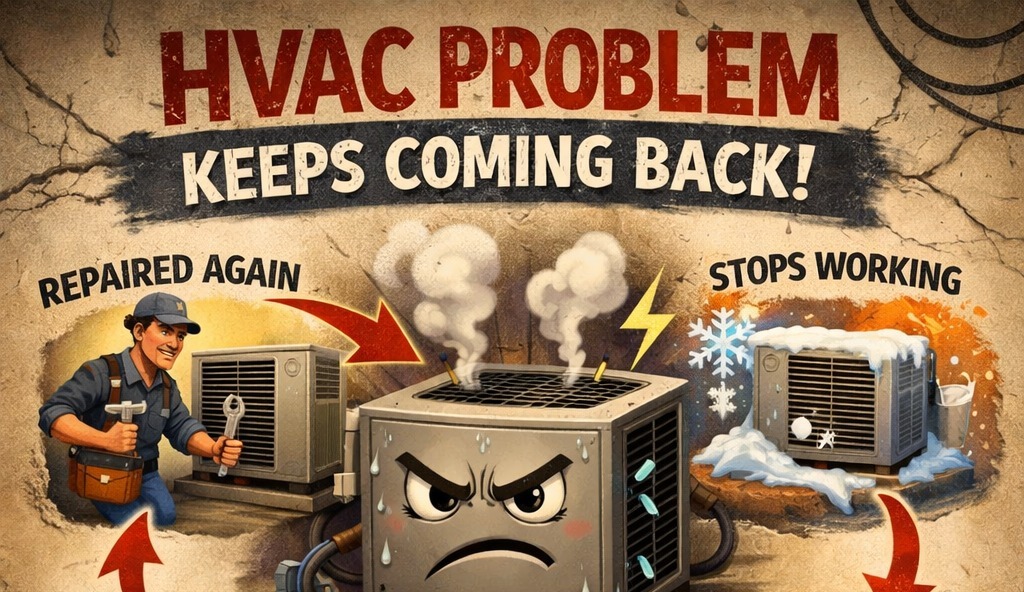
You may need another HVAC repair soon if the system is over 10–12 years old, the root cause wasn’t fully corrected, or multiple components are wearing out together. Follow-up repairs often happen within days to months, especially during heavy heating or cooling demand when system stress is highest.
Across the Upper Ohio Valley—including Steubenville, Weirton, Wintersville, Toronto, Mingo Junction, Follansbee, Wellsburg, Brilliant, New Cumberland, Colliers, and Hooverson Heights—many homes have aging systems, older ductwork, and basement installations. Combined with humidity and winter lows near 20–25°F, it’s common for one repair to reveal or trigger another issue if system conditions aren’t fully corrected.
Will You Need Another Repair Soon?
You may need another repair if the system has multiple underlying issues, not just a single failure.
| Situation | Likelihood of Another Repair |
|---|---|
| Root cause fixed | Low |
| Symptom-only repair | High |
| Older system | Moderate to high |
| Multiple past repairs | Very high |
Why One Repair Can Trigger Another Problem
HVAC systems often experience chain reaction failures, where fixing one issue exposes other worn components.
Examples:
- restored airflow → reveals weak blower motor
- corrected refrigerant → exposes failing compressor
- fixed electrical issue → uncovers aging controls
This is one of the most common reasons a second repair follows the first.
How Repairs Shift Stress Inside the System
When one part is repaired, system performance improves, which can increase load on other aging components.
Examples:
- improved airflow increases motor demand
- restored cooling increases compressor load
- corrected voltage exposes weak electrical parts
This redistribution of stress often reveals hidden problems.
Is This a One-Time Issue or the Start of a Pattern?
A single repair may be isolated, but repeated issues usually indicate system-wide wear or unresolved root causes.
| Pattern | What It Means |
|---|---|
| First repair in years | Likely isolated |
| Same issue twice | Root cause may be missed |
| Multiple different issues | System aging |
| Frequent service calls | Replacement likely |
Good Repair vs Temporary Band-Aid Fix
A good repair corrects system conditions, while a band-aid fix restores operation without solving the cause.
| Repair Type | Result |
|---|---|
| Full diagnosis + correction | Long-term stability |
| Quick part replacement only | Likely repeat issue |
What Increases the Chances of Another Repair
Certain system conditions increase the likelihood of follow-up repairs.
Key factors:
- system age over 10–12 years
- poor airflow (below 350–450 CFM per ton)
- improper installation or setup
- lack of maintenance
- multiple aging components
ACCA standards emphasize proper installation and airflow setup for system reliability: ACCA
How Soon Could Another Problem Show Up?
If another issue is going to appear, it often shows up within days to a few months, especially under heavy system use.
Typical timeline:
- missed root cause → days to weeks
- aging components → weeks to months
- peak demand → immediate stress
When Multiple Repairs Start Happening Close Together
When repairs occur within 3–6 months of each other, it usually indicates system-wide wear rather than isolated failures.
This is a strong signal that:
- multiple components are aging
- system reliability is declining
- larger decisions may be needed soon
What Should Be Checked After Any HVAC Repair?
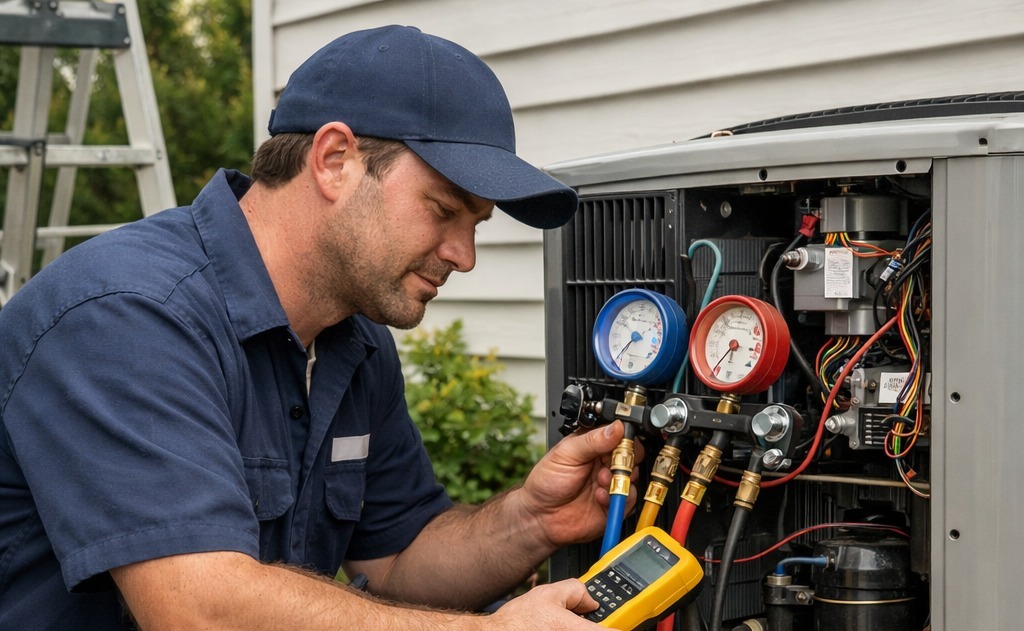
A proper repair should include system-wide verification to reduce the chance of follow-up issues.
A technician should check:
- airflow (CFM)
- refrigerant pressures
- electrical readings (amps/voltage)
- temperature split (typically 15–20°F)
ASHRAE design principles highlight the importance of system performance verification: ASHRAE
AHRI standards also emphasize proper system matching and operation: AHRI
When Follow-Up Repairs Are Most Likely
Additional repairs are most likely during extreme summer heat and winter cold snaps, when systems run continuously.
In this region:
- summer humidity → long cooling cycles
- winter cold → nonstop heating demand
This is when weak components are most likely to fail.
When Another Repair Is Unavoidable
In some cases, another repair is likely due to overall system condition.
Situations include:
- system over 12–15 years old
- multiple components near failure
- declining performance across the system
Even a correct repair may not prevent additional issues.
Why Older Systems Need More Frequent Repairs
Older systems develop multiple weak points, increasing the chance of additional failures.
As systems age:
- components wear at different rates
- efficiency declines
- system strain increases
After 30+ years servicing HVAC systems across Ohio, multiple repairs close together almost always indicate system-wide wear rather than isolated failures.
The Cost Pattern of Multiple Repairs
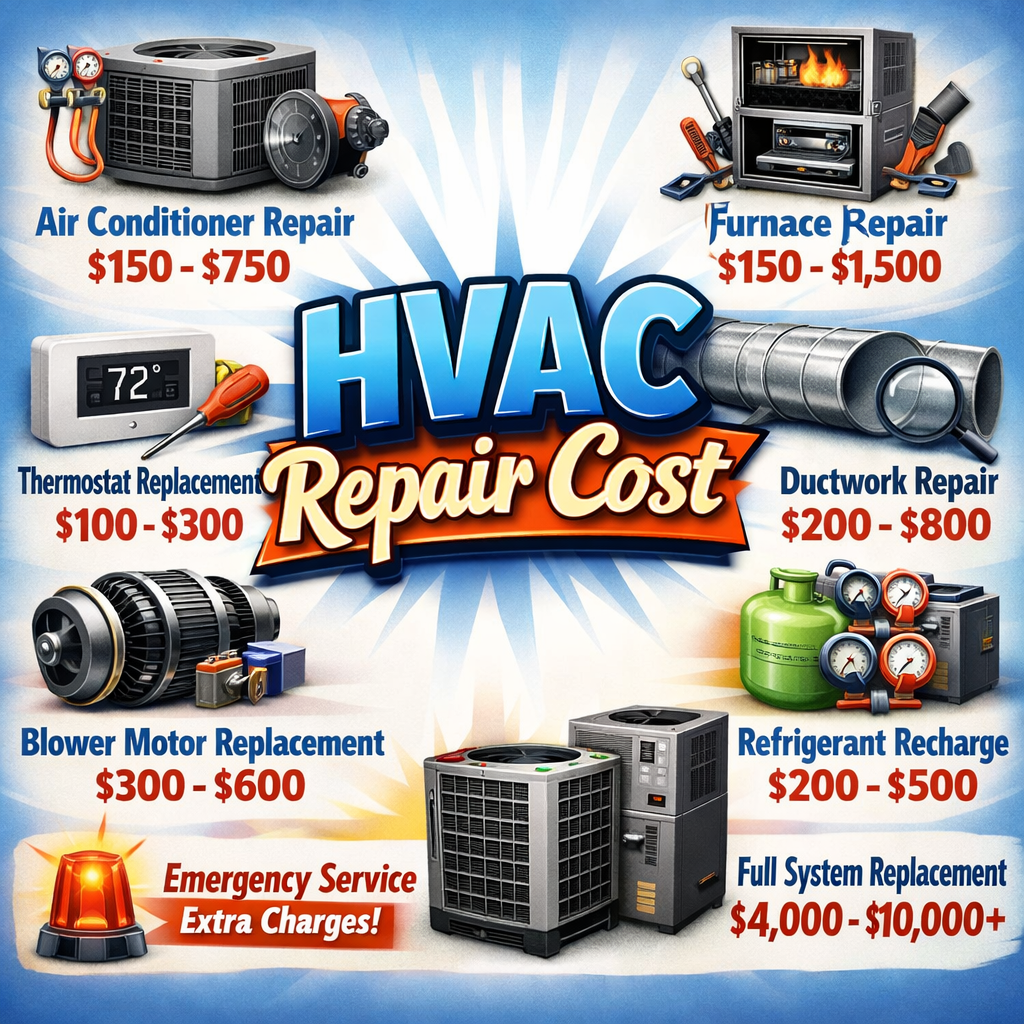
Multiple repairs over time often cost more than addressing the system as a whole.
Example:
- $300 repair → $800 repair → $1,200 repair
ENERGY STAR notes that aging systems increase operating and maintenance costs over time: ENERGY STAR Heating and Cooling
What HVAC Technicians See Most in This Area
In Steubenville and Weirton homes, follow-up repairs are most often caused by airflow issues, duct problems, and aging systems.
Common patterns:
- restricted airflow → repeated component stress
- older duct systems → uneven performance
- aging equipment → multiple part failures
As an Aprilaire Healthy Air Professional, airflow, humidity control, and filtration play a major role in preventing repeat and follow-up repairs.
When Repairs Turn Into a Replacement Decision
If multiple repairs occur within a short period and the system is over 10–12 years old, replacement is often the more reliable option.
This is especially true when:
- repair frequency increases
- costs continue rising
- system performance declines
Quick “Will Another Repair Happen?” Guide
| Situation | Likelihood |
|---|---|
| Newer system + proper repair | Low |
| Older system + one repair | Moderate |
| Same issue repeating | High |
| Multiple recent repairs | Very high |
Quick Troubleshooting Checklist
Basic checks can help identify whether another issue is developing.
- monitor system performance
- listen for new noises
- check airflow consistency
- watch for repeat symptoms
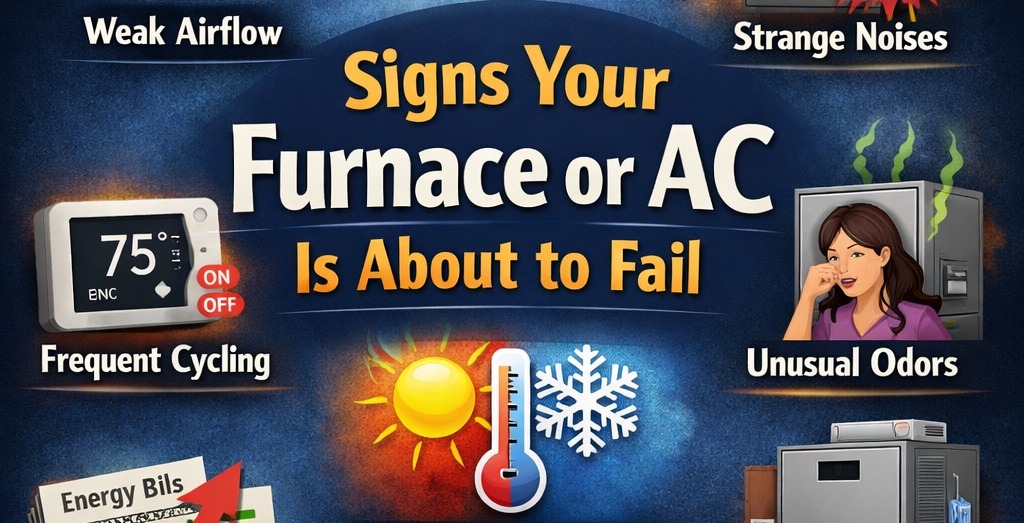
If new issues appear, the system likely has additional underlying problems.
When Should You Call an HVAC Technician?
You should call for service if:
- another issue appears shortly after a repair
- system performance declines again
- multiple components begin failing
- repairs are becoming more frequent
According to the U.S. Department of Energy, proper system maintenance improves reliability and reduces breakdowns: U.S. Department of Energy Air Conditioning Guide
Key Takeaways
- one repair can trigger another due to system interaction
- chain reaction failures are common in aging systems
- repairs close together signal system-wide wear
- proper diagnosis reduces repeat problems
- increasing repair frequency indicates larger decisions ahead
FAQs
Is it normal to need another HVAC repair soon after one?
It can happen, especially in older systems or when root causes were not fully corrected.
Why does something else break after a repair?
Fixing one issue can expose other worn or stressed components in the system.
How can I avoid repeated HVAC repairs?
Proper diagnosis, airflow correction, and full system testing help reduce repeat issues.
Should I be concerned about multiple HVAC repairs?
Yes. Multiple repairs often indicate aging equipment or system-wide problems.
Exact HVAC replacement quotes available at (740) 825-9408 or HonestFix.com/schedule-service.
Scott Merritt is a co-founder of Honest Fix Heating, Cooling and Plumbing and brings more than 30 years of experience across HVAC, leadership, and industry education. He serves in a senior leadership and oversight role, providing licensed guidance, reviewing HVAC educational content, and supporting technician training and documentation standards. Prior to co-founding Honest Fix, Scott founded and owned Fire & Ice Heating & Air Conditioning in Columbus, Ohio, which he operated for more than two decades before selling the company in 2025. During that time, he led programs and partnerships including Carrier Factory Authorized Dealer, Trane Comfort Specialist, and Rheem Pro Partner, helping establish high technical and training standards. Scott is the Ohio State HVAC license holder for Honest Fix and provides licensed oversight to help ensure work meets applicable codes and manufacturer requirements. Learn more about Scott’s background and role at Honest Fix by viewing his full leadership bio.