Quick Answer
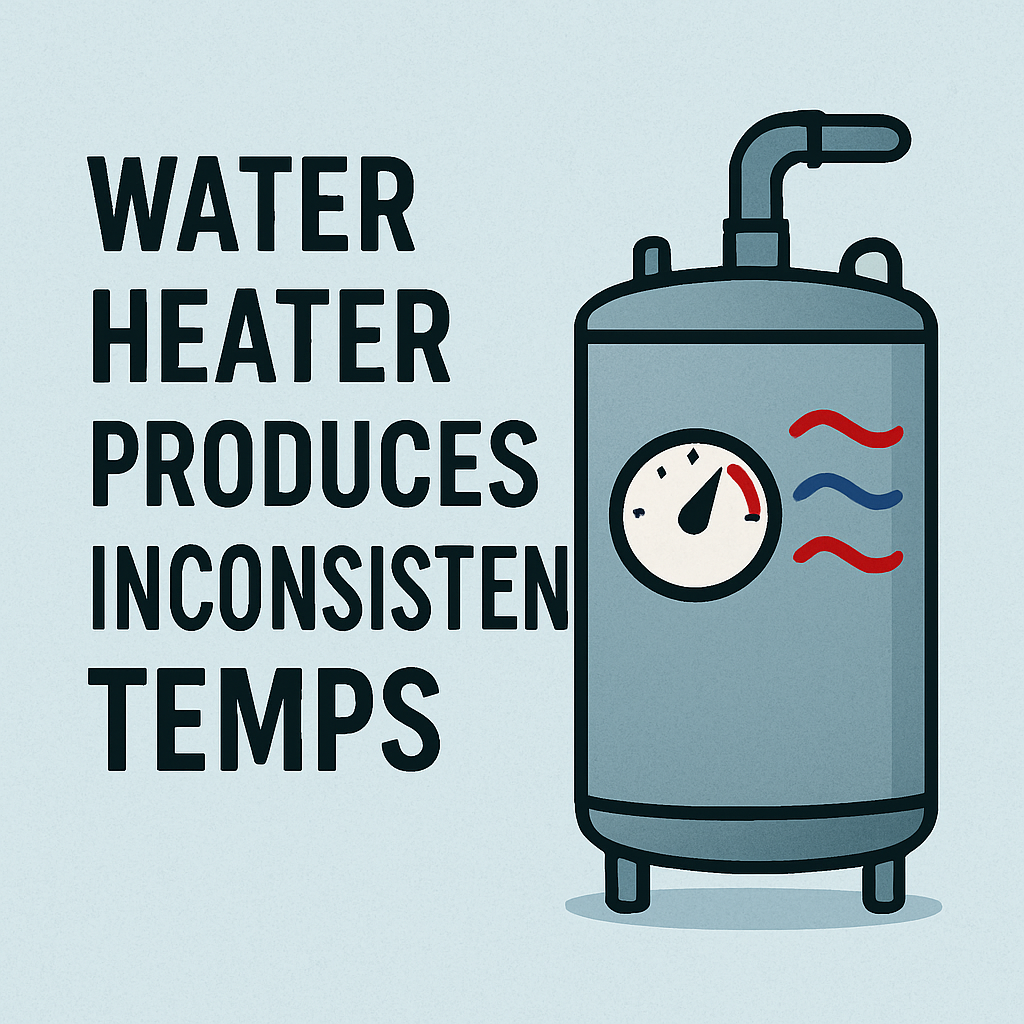
In New Cumberland, inconsistent water temperatures often stem from cold winter inlet water, mineral buildup, worn tank components, or tankless flow and gas-supply issues. Homes near Ridge Avenue, Jefferson Street, and the riverfront areas also experience pressure changes that shift water temps from hot to warm to cool.
New Cumberland’s hillside layout, older plumbing, and cold Ohio River valley winters make temperature consistency harder to achieve. Many homes built from the 1940s–1980s still use aging valves and galvanized lines that react quickly to pressure fluctuations. When groundwater temperatures drop into the 40s, heaters near the courthouse district or along North Chester Street often take longer to warm and recover.
Cold inlet water forces tank heaters to work harder to reach stable temperatures. Tanks located in unheated basements or garages—common along Ridge Avenue—often send a cooler first burst during winter. Aging dip tubes, drifting thermostats, and weakened elements reduce how long water stays hot. Mineral buildup, common across New Cumberland’s water supply, forms insulating layers around heating surfaces, slowing heat transfer and shortening consistent hot-water duration.
Tankless systems rely on proper gas supply, steady flow, and clean heat exchangers. Many older New Cumberland homes still run ½-inch gas lines designed for small tank units, limiting tankless performance during high-demand use. Winter inlet temperatures reduce tankless flow automatically. Scale buildup in homes near Jefferson Street or the river bluff can clog inlet screens and slow ignition, causing hot–cold–hot swings in the shower.
Some temperature issues come from plumbing rather than the heater. Worn shower cartridges in older houses near North Chester Street allow cold water to enter the hot line. Elevation changes between the lower river streets and the ridge neighborhoods also influence pressure and affect tankless ignition at low flow. Sediment shifting in older galvanized lines can suddenly restrict flow and cause abrupt temperature drops.
Why do ridge-top homes in New Cumberland see more temperature swings?
Higher elevations create minor pressure drops that affect tankless ignition and flow.
Can scale alone cause unstable temperatures?
Yes. Buildup insulates heating surfaces and causes uneven heating cycles.
Exact HVAC replacement quotes available at (740) 825-9408 or HonestFix.com/schedule-service.
Author: Alex Largent
Alex Largent
Alex Largent is the Owner and Senior HVAC Efficiency Analyst at Honest Fix Heating, Cooling & Plumbing. With more than 20 years of field experience, NATE and EPA certifications, and a hands-on leadership style, Alex teaches his team to fix systems right the first time — with transparency, precision, and no upsells. He writes about HVAC diagnostics, home energy efficiency, and practical maintenance advice for homeowners across the Upper Ohio Valley. Read Alex Largent’s full bio to learn more about his expertise in the HVAC and Plumbing industry. Updated October 2025.