Best Time to Replace a Heat Pump in Steubenville, OH & Weirton, WV
March 14th, 2026
4 min read
When Is the Best Time to Replace a Heat Pump?
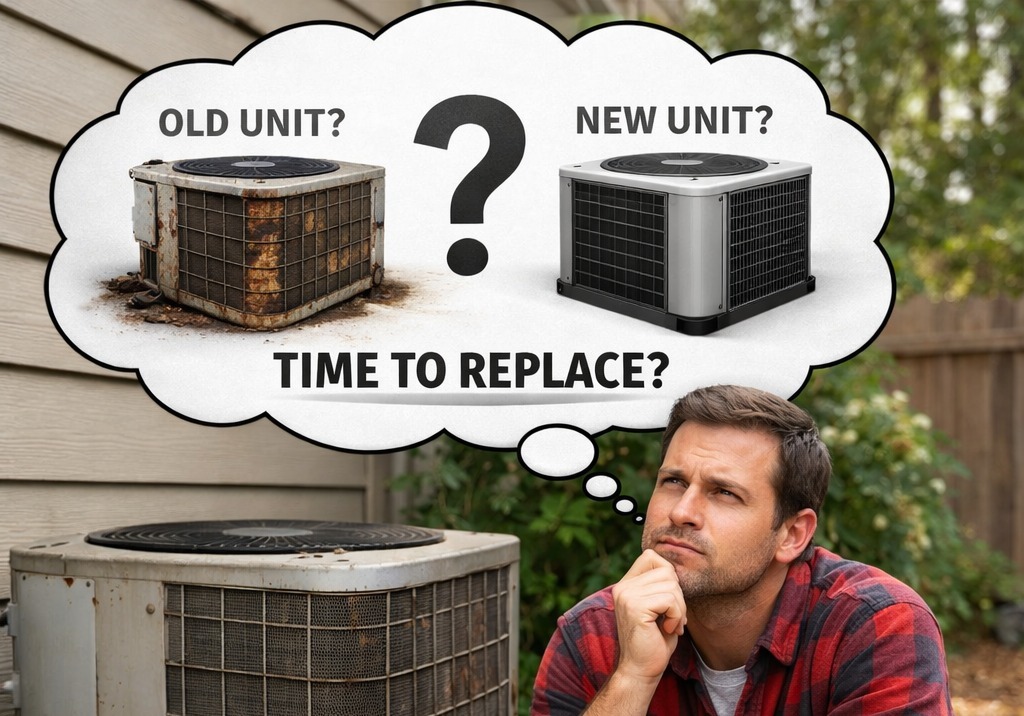
Quick Answer. The best time to replace a heat pump in Steubenville, OH and Weirton, WV is usually spring or fall, when outdoor temperatures are moderate and HVAC demand is lower. Most heat pumps last about 10–15 years, and replacing an aging system before major failures occur helps avoid emergency breakdowns during winter cold snaps or humid summer heat.
Homes in Steubenville and Weirton sit in the Upper Ohio Valley climate, where humid summers and winter temperatures often drop near 22°F. Many houses were built before modern insulation standards and still rely on older basement duct systems.
Because heat pumps run year-round for both heating and cooling, aging systems in this region often show reliability problems sooner than homeowners expect.
How Long Do Heat Pumps Usually Last?
Quick Answer. Most residential heat pumps last 10–15 years with proper installation and regular maintenance.
Several factors influence lifespan:
- installation quality
- correct system sizing
- airflow through duct systems
- refrigerant charge and commissioning
- regular maintenance
Because heat pumps provide both heating and cooling, they often operate twice as many hours per year as systems that only heat or cool.
After 30+ years installing and servicing HVAC systems across Ohio, many heat pumps begin showing reliability problems once they pass the 12–15 year range.
Why Spring and Fall Are Often the Best Replacement Seasons
Quick Answer. Spring and fall are often the best seasons to replace a heat pump because HVAC demand is lower and installation schedules are more flexible.
Advantages include:
- easier scheduling
- more time for proper installation and commissioning
- reduced risk of emergency breakdowns
- moderate outdoor temperatures during installation
In the Upper Ohio Valley, spring and fall temperatures often range between 45–65°F, allowing HVAC systems to be replaced without extreme heating or cooling demand.
Why Off-Season Replacement Is Often Easier
Quick Answer. Replacing a heat pump during the off-season allows contractors more time to properly size, install, and test the system.
During peak seasons, emergency repairs and replacements often fill installation schedules.
Off-season replacement allows:
- detailed Manual J load calculations
- proper airflow adjustments
- full system commissioning and testing
- careful thermostat configuration
Taking time to perform these steps helps improve long-term reliability.
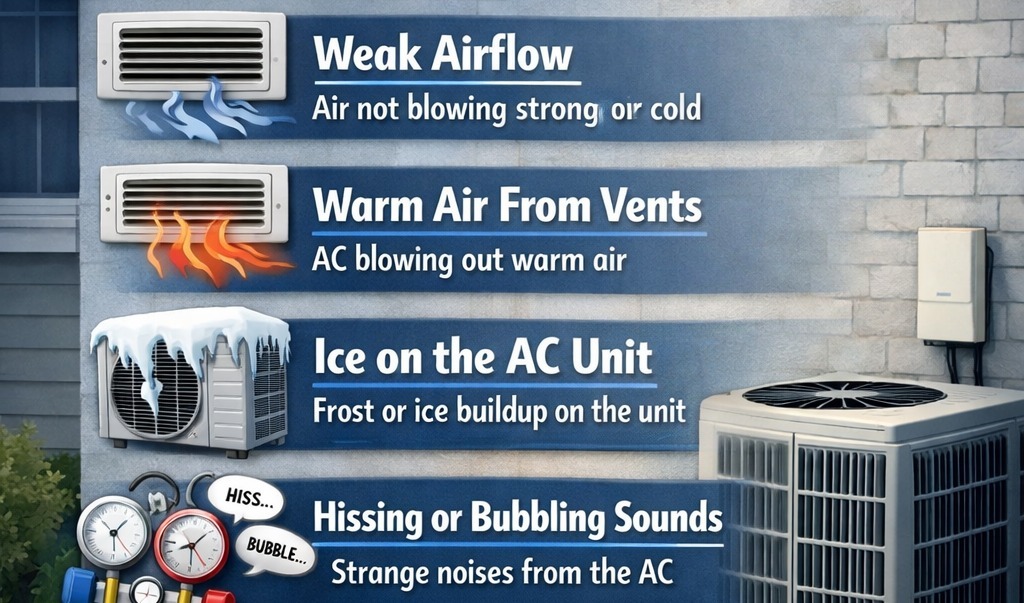
Signs It May Be Time to Replace Your Heat Pump
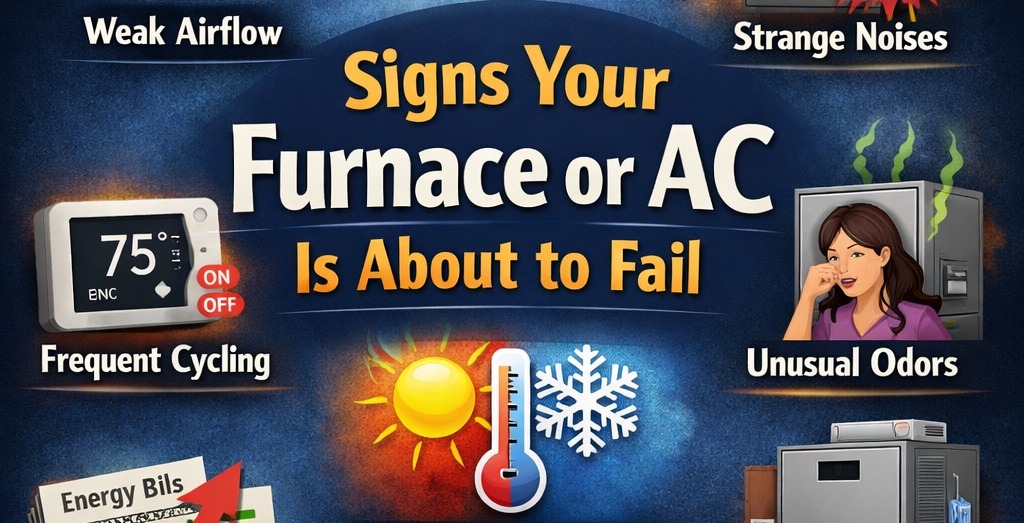
Quick Answer. Several warning signs indicate a heat pump may be nearing the end of its useful lifespan.
Common signs include:
- system age over 12–15 years
- frequent repair calls
- rising electricity bills
- uneven temperatures between rooms
- auxiliary heat running more often
Older systems often struggle to maintain indoor temperature during Upper Ohio Valley winter cold snaps.
Repair vs Replace Rule of Thumb
Quick Answer. If a repair costs more than 30–40% of the cost of a new system and the heat pump is 10–15 years old, replacement is usually the better long-term option.
Major repairs such as compressor replacement or coil failure can be expensive.
In many cases, replacing an aging system can:
- reduce energy use
- improve comfort
- improve reliability
- reduce future repair costs
A professional evaluation can help determine the most practical option.
Why Aging Heat Pumps Struggle During Ohio Valley Winters
Quick Answer. Older heat pumps often lose heating capacity over time, which can cause the system to rely more on electric auxiliary heat during cold weather.
Several factors contribute to this decline:
- compressor wear
- reduced coil efficiency
- airflow restrictions
- small refrigerant leaks
When outdoor temperatures fall below 25–30°F, aging systems may struggle to keep up with heating demand.
Efficiency Improvements From New Heat Pumps
Quick Answer. Modern heat pumps are often significantly more efficient than systems installed 12–15 years ago.
| System Age | Typical Efficiency |
|---|---|
| Older systems (12–15 years) | 10–13 SEER |
| Modern systems | 16–20+ SEER2 |
Higher efficiency systems often:
- reduce electricity use
- provide better humidity control
- improve temperature consistency
Efficiency improvements can help offset replacement costs over time.
Planned Replacement vs Emergency Replacement
Quick Answer. Replacing a heat pump before it fails allows more time to choose equipment and complete a proper installation.
Benefits of planned replacement include:
- more equipment options
- time for proper load calculations
- better installation scheduling
- reduced risk of rushed installation
Emergency replacements often occur during extreme weather, when aging systems fail unexpectedly.
Why Proper Installation Matters When Replacing a Heat Pump
Quick Answer. Installation quality usually has a greater impact on reliability than the equipment brand.
Proper installation includes:
- performing a Manual J load calculation
- verifying airflow around 350–450 CFM per ton
- confirming correct refrigerant charge
- commissioning and testing the system
Some contractors skip these steps and simply install a system the same size as the old one.
Improper sizing can cause:
- short cycling
- poor humidity control
- higher energy use
- shorter system lifespan
Why Warranty Coverage Matters When Replacing a Heat Pump
Quick Answer. The warranty a contractor provides often reflects their confidence in the equipment and installation quality.
Many manufacturers offer 10-year parts warranties, but labor coverage varies.
For example:
- Honest Fix provides 15-year labor warranties on new Rheem heat pumps
- longer labor coverage protects homeowners from unexpected repair costs
- extended warranties often indicate confidence in system reliability
Warranty coverage is an important factor when comparing replacement options.
Quick Diagnostic Guide: Repair or Replace?
| Situation | Typical Recommendation |
|---|---|
| System under 8 years old | Repair usually makes sense |
| System 10–15 years old | Evaluate repair vs replacement |
| Major compressor failure | Replacement often recommended |
| Frequent repairs | Replacement may reduce long-term costs |
How to Prepare for a Heat Pump Replacement
Several steps help ensure a successful replacement project.
- scheduling an HVAC inspection
- evaluating duct system condition
- reviewing thermostat compatibility
- comparing efficiency ratings such as SEER2 and HSPF2
Cold air pooling along the Ohio River valley can create overnight temperature swings, so properly sized systems help maintain consistent comfort.
Key Takeaways
- most heat pumps last about 10–15 years
- spring and fall are usually the best seasons for replacement
- replacing a system before failure helps avoid emergency breakdowns
- proper installation and Manual J sizing improve reliability
- newer heat pumps offer significantly higher efficiency
- extended labor warranties can indicate contractor confidence
FAQs
What is the average lifespan of a heat pump?
Most residential heat pumps last 10–15 years, although installation quality and maintenance can affect lifespan.
Should I replace my heat pump before it fails?
Replacing a system before major failures occur can help avoid emergency breakdowns during extreme weather.
Is spring or fall better for heat pump replacement?
Both seasons are good options because HVAC demand is lower and installation schedules are often easier.
How do I know if my heat pump is too old?
If your system is over 12–15 years old and requires frequent repairs, replacement may be the more practical long-term option.
Exact HVAC replacement quotes available at (740) 825-9408 or HonestFix.com/schedule-service.
Scott Merritt is a co-founder of Honest Fix Heating, Cooling and Plumbing and brings more than 30 years of experience across HVAC, leadership, and industry education. He serves in a senior leadership and oversight role, providing licensed guidance, reviewing HVAC educational content, and supporting technician training and documentation standards. Prior to co-founding Honest Fix, Scott founded and owned Fire & Ice Heating & Air Conditioning in Columbus, Ohio, which he operated for more than two decades before selling the company in 2025. During that time, he led programs and partnerships including Carrier Factory Authorized Dealer, Trane Comfort Specialist, and Rheem Pro Partner, helping establish high technical and training standards. Scott is the Ohio State HVAC license holder for Honest Fix and provides licensed oversight to help ensure work meets applicable codes and manufacturer requirements. Learn more about Scott’s background and role at Honest Fix by viewing his full leadership bio.