Can Blocked Airflow Cause Heat Pump Issues in Steubenville, OH and Weirton, WV?
March 9th, 2026
3 min read
Does Blocked Airflow Affect Heat Pump Performance?
Quick Answer: Yes. Blocked airflow can reduce heat pump efficiency by 15–30%, causing weak heating or cooling, frozen indoor coils, longer run times, and higher energy bills. When airflow is restricted by clogged filters, blocked vents, or debris around the outdoor unit, the system cannot transfer heat efficiently and must work harder to maintain indoor temperatures.
Many homes in Steubenville’s historic neighborhoods and Weirton’s hillside communities rely on heat pumps for year-round comfort. During Ohio River valley winters, temperatures often fall into the 20–30°F range, forcing systems to run longer heating cycles. Older housing stock with aging duct systems, narrow lots where outdoor units sit near landscaping, and seasonal leaf buildup can all contribute to airflow restrictions that affect heat pump performance.
Quick Diagnostic Summary
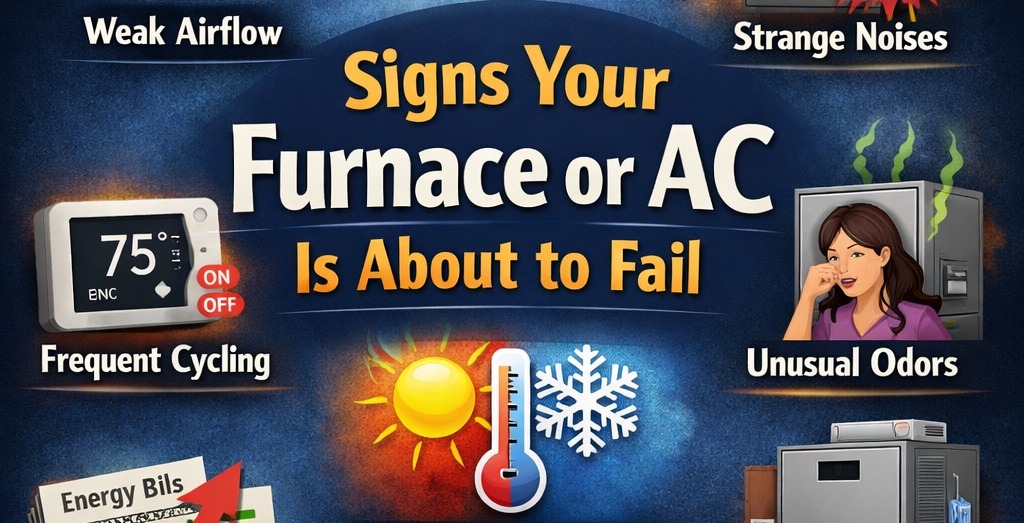
| Symptom | Likely Cause | What to Check |
|---|---|---|
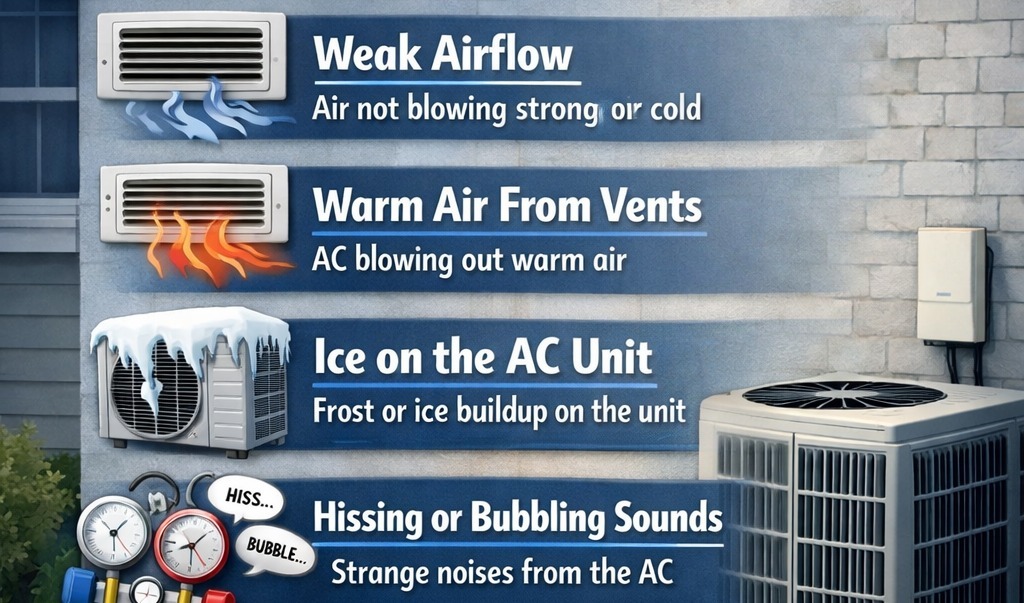
| Weak airflow from vents | Dirty filter or blocked duct | Replace filter |
| Heat pump running constantly | Restricted airflow | Inspect vents and returns |
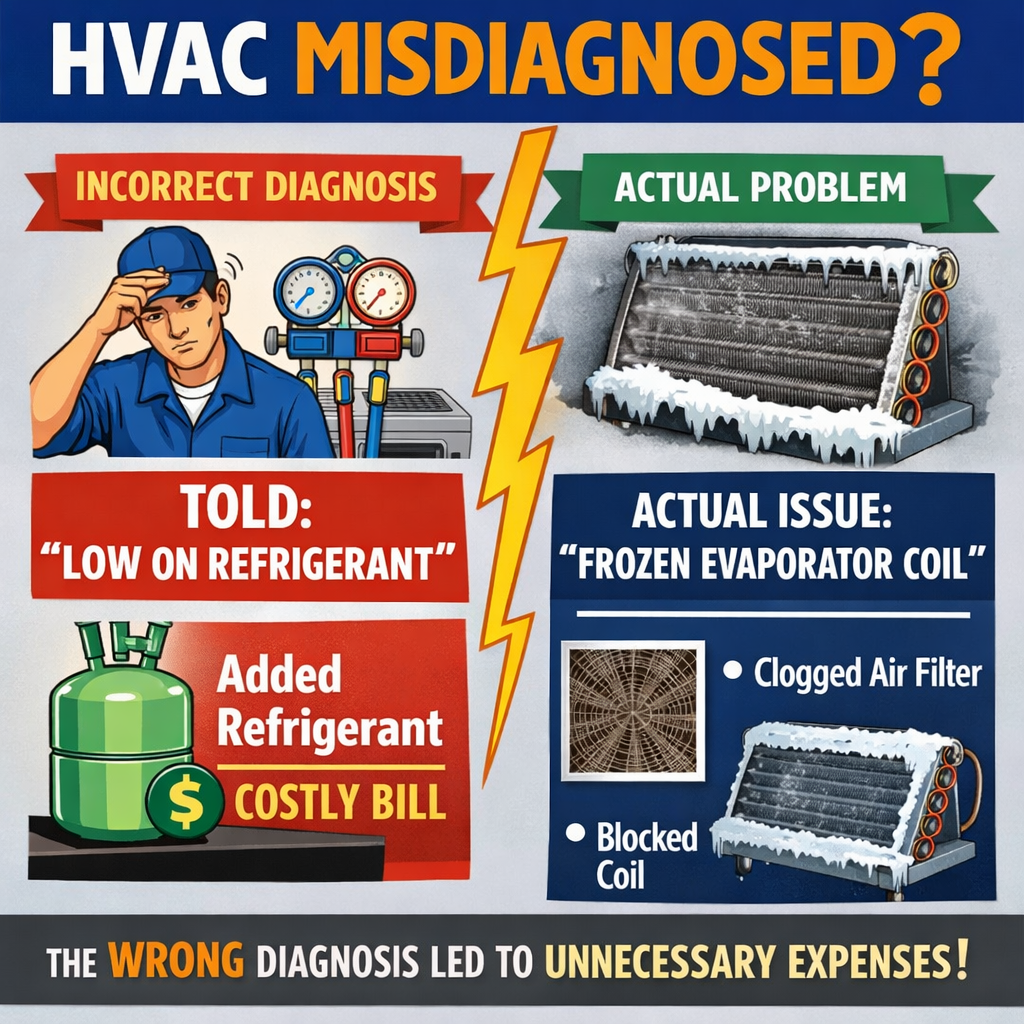
| Frozen indoor coil | Low airflow across coil | Check filter and ducts |
| Higher energy bills | System working harder | Inspect airflow path |
| Uneven room temperatures | Blocked vents or returns | Clear obstructions |
| System overheating | Reduced heat transfer | HVAC inspection |
| Heat pump short cycling | Airflow imbalance | Technician diagnosis |
Why Does Airflow Matter for Heat Pumps?
Quick Answer: Heat pumps depend on steady airflow across indoor coils to transfer heat efficiently between refrigerant and indoor air.
Most systems are designed to move approximately 350–450 cubic feet of air per minute (CFM) per ton of cooling capacity. When airflow drops below this range, heat transfer efficiency declines.
Restricted airflow can cause:
- Reduced heating capacity in winter
- Reduced cooling performance in summer
- Longer system run times
- Higher energy consumption
Maintaining proper airflow allows the heat pump to move heat efficiently through the refrigeration cycle.
Does Airflow Affect Both Indoor and Outdoor Units?
Quick Answer: Yes. Heat pumps require proper airflow across both indoor and outdoor coils to transfer heat efficiently.
Indoor airflow moves air across the evaporator coil so heat can transfer between the air and refrigerant. Outdoor airflow allows the unit to release or absorb heat depending on the operating mode.
If airflow is restricted at either location, the system cannot exchange heat properly and overall performance declines.
What Causes Blocked Airflow in a Heat Pump System?
Quick Answer: Blocked airflow usually results from clogged air filters, obstructed vents, duct restrictions, or debris buildup around HVAC equipment.
Common airflow restrictions include:
- Dirty or clogged air filters
- Furniture blocking supply vents
- Closed or blocked return air vents
- Dust buildup inside ductwork
- Debris around the outdoor heat pump unit
Homes with older duct systems may also experience airflow limitations caused by duct leaks or partially collapsed duct sections.
Why Do Air Filters Affect Heat Pump Airflow?
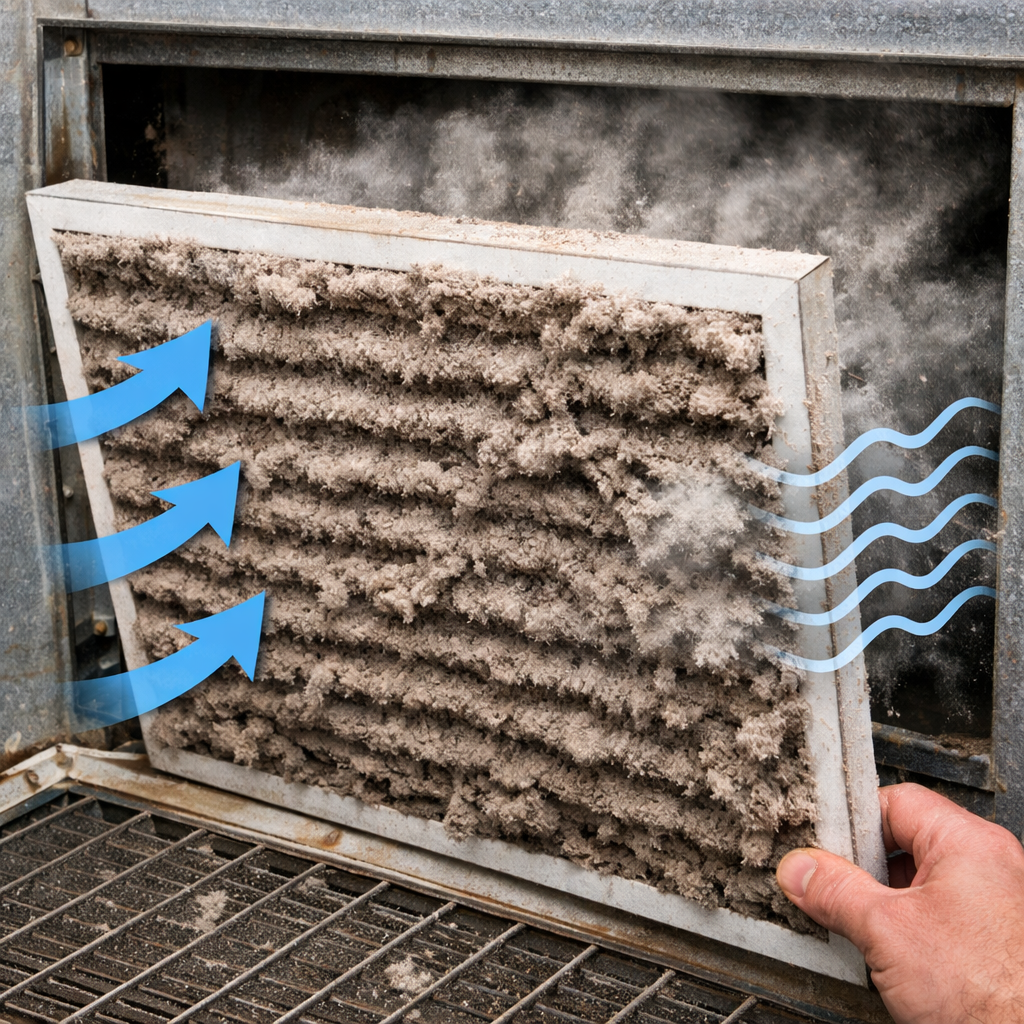
Quick Answer: Air filters capture dust and airborne debris before air reaches the indoor coil, but clogged filters restrict airflow through the system.
As filters collect dirt, the resistance to airflow increases. This limits the amount of air that can move across the indoor coil.
Restricted airflow can lead to:
- Reduced heating and cooling performance
- Frozen indoor coils
- Higher energy usage
- Increased blower motor strain
Replacing filters regularly helps maintain normal airflow.
Can Blocked Airflow Cause a Heat Pump to Freeze?
Quick Answer: Yes. Restricted airflow across the indoor coil can cause refrigerant temperatures to fall below 32°F, allowing moisture to freeze on the coil surface.
Frozen coils often occur when:
- Air filters are heavily clogged
- Supply or return vents are blocked
- Airflow across the indoor coil is reduced
Ice buildup prevents normal heat transfer and can eventually shut down the system.
Could Outdoor Airflow Restrictions Affect the Heat Pump?
Quick Answer: Yes. Outdoor airflow restrictions can prevent the heat pump from absorbing or releasing heat effectively.
Outdoor airflow may be blocked by:
- Leaves and debris
- Overgrown vegetation
- Snow accumulation around the unit
- Dirt buildup on outdoor coils
Maintaining 2–3 feet of clearance around the outdoor unit helps ensure proper airflow.
Quick Troubleshooting Checklist
Quick Answer: Homeowners can check several airflow conditions before scheduling HVAC service.
Basic steps include:
- Replace a dirty air filter
- Make sure supply vents are open and unobstructed
- Check that return vents are clear
- Remove leaves and debris around the outdoor unit
- Confirm airflow from vents feels consistent
Many airflow-related problems are resolved through these simple checks.
How Can Homeowners Prevent Airflow Problems?
Quick Answer: Replacing filters regularly and keeping vents and outdoor units clear helps maintain proper airflow.
Helpful prevention steps include:
- Replace air filters every 1–3 months
- Keep furniture away from supply and return vents
- Maintain 2–3 feet of clearance around the outdoor unit
- Schedule annual HVAC maintenance
Routine maintenance helps ensure airflow remains balanced throughout the system.
When Should You Call an HVAC Technician?
Quick Answer: If airflow remains weak, coils freeze repeatedly, or the heat pump struggles to maintain indoor temperature, the system should be inspected by an HVAC technician.
HVAC technicians in the Steubenville and Weirton area frequently find airflow restrictions caused by clogged filters during winter heating season when systems run longer cycles.
Professional service may include:
- Airflow testing
- Duct inspection
- Coil cleaning
- System performance evaluation
Key Takeaways
Quick Answer: Blocked airflow can cause several heat pump performance problems.
Common issues include:
- Reduced heating and cooling performance
- Frozen indoor coils
- Longer system run times
- Higher energy bills
- Increased strain on HVAC components
Maintaining clear airflow paths helps keep heat pumps operating efficiently.
FAQs
Can a dirty air filter affect my heat pump?
Quick Answer: Yes. A clogged air filter restricts airflow across the indoor coil, which can reduce system efficiency and potentially cause coil freezing.
Why is airflow from my vents weak?
Quick Answer: Weak airflow may result from clogged filters, blocked vents, duct restrictions, or blower motor problems.
Can blocked vents damage a heat pump?
Quick Answer: Yes. Restricted airflow forces the system to work harder, increasing wear on the compressor and blower motor.
How often should air filters be replaced?
Quick Answer: Most HVAC systems benefit from replacing filters every 1–3 months, depending on dust levels and household conditions.
Exact HVAC replacement quotes available at (740) 825-9408 or HonestFix.com/schedule-service.
Scott Merritt is a co-founder of Honest Fix Heating, Cooling and Plumbing and brings more than 30 years of experience across HVAC, leadership, and industry education. He serves in a senior leadership and oversight role, providing licensed guidance, reviewing HVAC educational content, and supporting technician training and documentation standards. Prior to co-founding Honest Fix, Scott founded and owned Fire & Ice Heating & Air Conditioning in Columbus, Ohio, which he operated for more than two decades before selling the company in 2025. During that time, he led programs and partnerships including Carrier Factory Authorized Dealer, Trane Comfort Specialist, and Rheem Pro Partner, helping establish high technical and training standards. Scott is the Ohio State HVAC license holder for Honest Fix and provides licensed oversight to help ensure work meets applicable codes and manufacturer requirements. Learn more about Scott’s background and role at Honest Fix by viewing his full leadership bio.