What Are the Signs of a Faulty Reversing Valve in a Heat Pump in Steubenville, OH and Weirton, WV?
March 9th, 2026
3 min read
What Are the Signs of a Faulty Heat Pump Reversing Valve?
Quick Answer: A faulty reversing valve in a heat pump often causes the system to stay stuck in either heating or cooling mode, blow air at the wrong temperature, or struggle to switch modes. Homeowners may also notice weak heating, hissing sounds near the outdoor unit, or rising energy bills. Because the reversing valve controls refrigerant direction, failures typically require professional HVAC diagnosis.
Across Steubenville and Weirton, many homes rely on heat pumps for both heating and cooling throughout the year. Seasonal swings in the Ohio River valley—from humid summers to winter temperatures near 20–30°F—mean heat pumps frequently switch operating modes. Over time, this repeated switching can place wear on the reversing valve, a key component responsible for directing refrigerant flow.
Quick Diagnostic Summary
| Symptom | Possible Cause | Recommended Action |
|---|---|---|
| Heat pump stuck in heating or cooling | Reversing valve not switching | Professional inspection |
| Warm air when cooling is selected | Refrigerant flow not reversing | HVAC diagnosis |
| Weak heating performance | Valve partially stuck | System evaluation |
| Hissing sound near outdoor unit | Refrigerant pressure imbalance | Service recommended |
What Does a Reversing Valve Do in a Heat Pump?
Quick Answer: A reversing valve changes the direction of refrigerant flow inside a heat pump so the system can switch between heating and cooling modes.
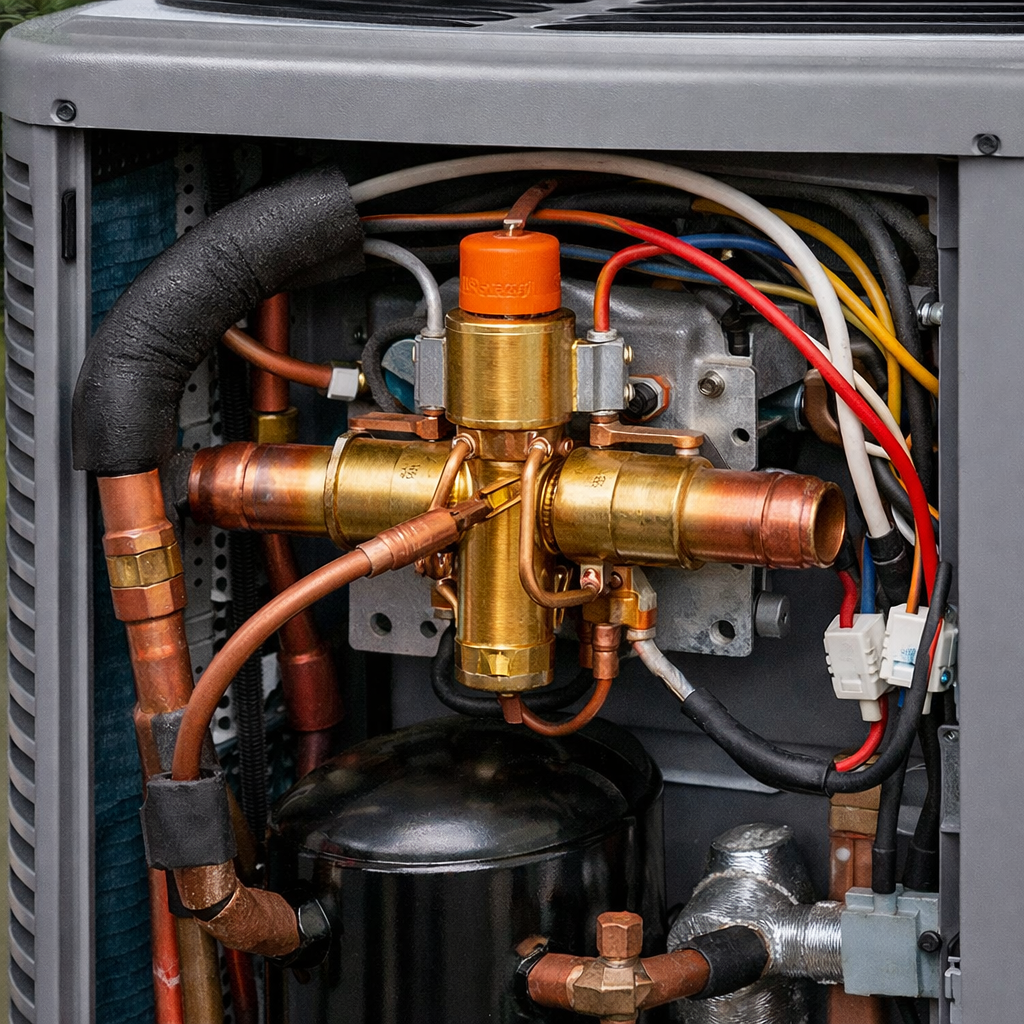
Heat pumps operate differently than traditional furnaces or air conditioners. Instead of generating heat, they move heat from one location to another using refrigerant.
When cooling your home, refrigerant absorbs heat indoors and releases it outside. When heating your home, the reversing valve shifts refrigerant flow so the system pulls heat from outside air and moves it indoors.
This switching process happens every time your thermostat changes modes. In climates like Steubenville and Weirton, where homes may require both heating and cooling during transitional seasons, the valve operates frequently.
What Are the Signs of a Faulty Reversing Valve?
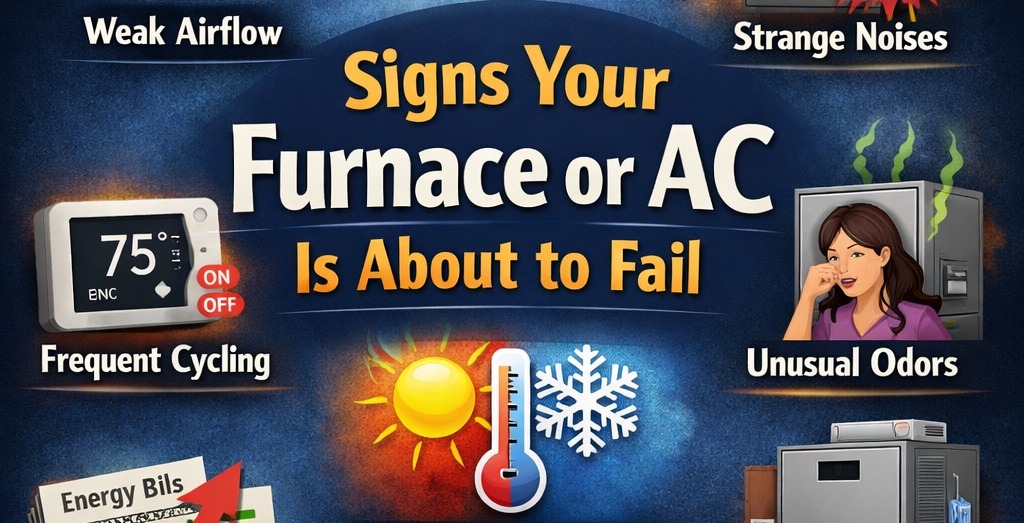
Quick Answer: The most common signs include the heat pump getting stuck in heating or cooling mode, incorrect air temperatures from vents, reduced heating performance, or refrigerant hissing sounds near the outdoor unit.
Homeowners may notice several warning signs:
- Heat pump stuck in heating or cooling
- System blowing warm air while cooling
- Weak heating during cold weather
- Hissing noises from the outdoor unit
- Higher energy bills without increased usage
When the valve fails to redirect refrigerant properly, the system cannot switch operating modes effectively.
Why Do Reversing Valves Fail?
Quick Answer: Reversing valves typically fail due to internal wear, contamination in the refrigerant system, or electrical problems with the valve’s solenoid.
Several conditions can contribute to failure:
| Failure Cause | Description |
|---|---|
| Solenoid failure | Electrical component that activates the valve stops working |
| Mechanical sticking | Internal valve components become stuck |
| Refrigerant contamination | Debris interferes with valve operation |
| Pressure imbalance | Refrigerant pressure prevents valve movement |
Because reversing valves are integrated into the sealed refrigerant system, repairs usually require specialized tools and refrigerant handling.
Can a Heat Pump Run With a Bad Reversing Valve?
Quick Answer: Yes, but the system will usually stay stuck in either heating or cooling mode and cannot switch properly between them.
For example:
- The system may heat properly in winter but fail to cool in summer
- Or it may remain stuck in cooling mode and struggle to provide heat
Running the system this way can lead to:
- Reduced comfort
- Higher energy usage
- Additional strain on the compressor
Prompt inspection helps prevent further damage to the system.
What Should Homeowners Check First?
Quick Answer: Homeowners should confirm thermostat settings, check airflow conditions, and verify the system attempts to switch modes before assuming a reversing valve failure.
Basic checks include:
- Confirm the thermostat mode setting
- Replace a dirty air filter
- Check that vents are not blocked
- Observe whether the system switches between heating and cooling
If the system consistently stays stuck in one mode after these checks, the reversing valve or its electrical control may require service.
Key Takeaways
Quick Answer: Reversing valve problems usually cause a heat pump to remain stuck in one operating mode or deliver incorrect air temperatures.
Common signs include:
- Heat pump stuck in heating or cooling
- Incorrect air temperature from vents
- Hissing sounds near the outdoor unit
- Rising energy bills without increased usage
Because the reversing valve controls refrigerant flow, repairs should be handled by a trained HVAC technician.
FAQs
What happens when a heat pump reversing valve fails?
Quick Answer: When the reversing valve fails, refrigerant cannot switch directions. The heat pump usually becomes stuck in either heating or cooling mode.
Can a reversing valve be repaired?
Quick Answer: In most cases the reversing valve must be replaced. The repair requires refrigerant recovery and specialized HVAC tools.
Is reversing valve replacement expensive?
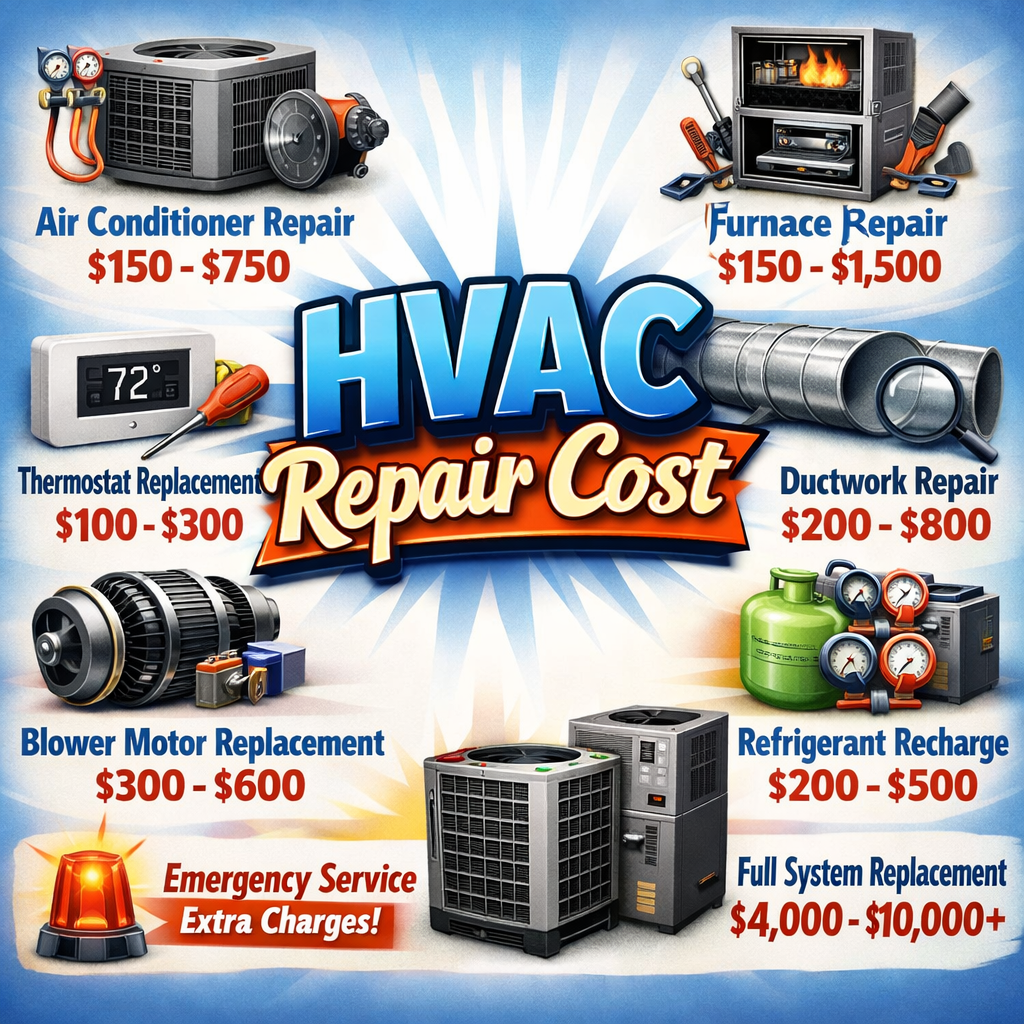
Quick Answer: Costs vary depending on the heat pump model and system accessibility. The repair typically involves refrigerant handling and system recharging.
How long do heat pump reversing valves last?
Quick Answer: Reversing valves often last many years but may eventually fail due to wear, electrical issues, or refrigerant contamination.
Exact HVAC replacement quotes available at (740) 825-9408 or HonestFix.com/schedule-service.
Scott Merritt is a co-founder of Honest Fix Heating, Cooling and Plumbing and brings more than 30 years of experience across HVAC, leadership, and industry education. He serves in a senior leadership and oversight role, providing licensed guidance, reviewing HVAC educational content, and supporting technician training and documentation standards. Prior to co-founding Honest Fix, Scott founded and owned Fire & Ice Heating & Air Conditioning in Columbus, Ohio, which he operated for more than two decades before selling the company in 2025. During that time, he led programs and partnerships including Carrier Factory Authorized Dealer, Trane Comfort Specialist, and Rheem Pro Partner, helping establish high technical and training standards. Scott is the Ohio State HVAC license holder for Honest Fix and provides licensed oversight to help ensure work meets applicable codes and manufacturer requirements. Learn more about Scott’s background and role at Honest Fix by viewing his full leadership bio.