Why Is My Heat Pump Vibrating or Shaking in Steubenville, OH and Weirton, WV?
March 11th, 2026
3 min read
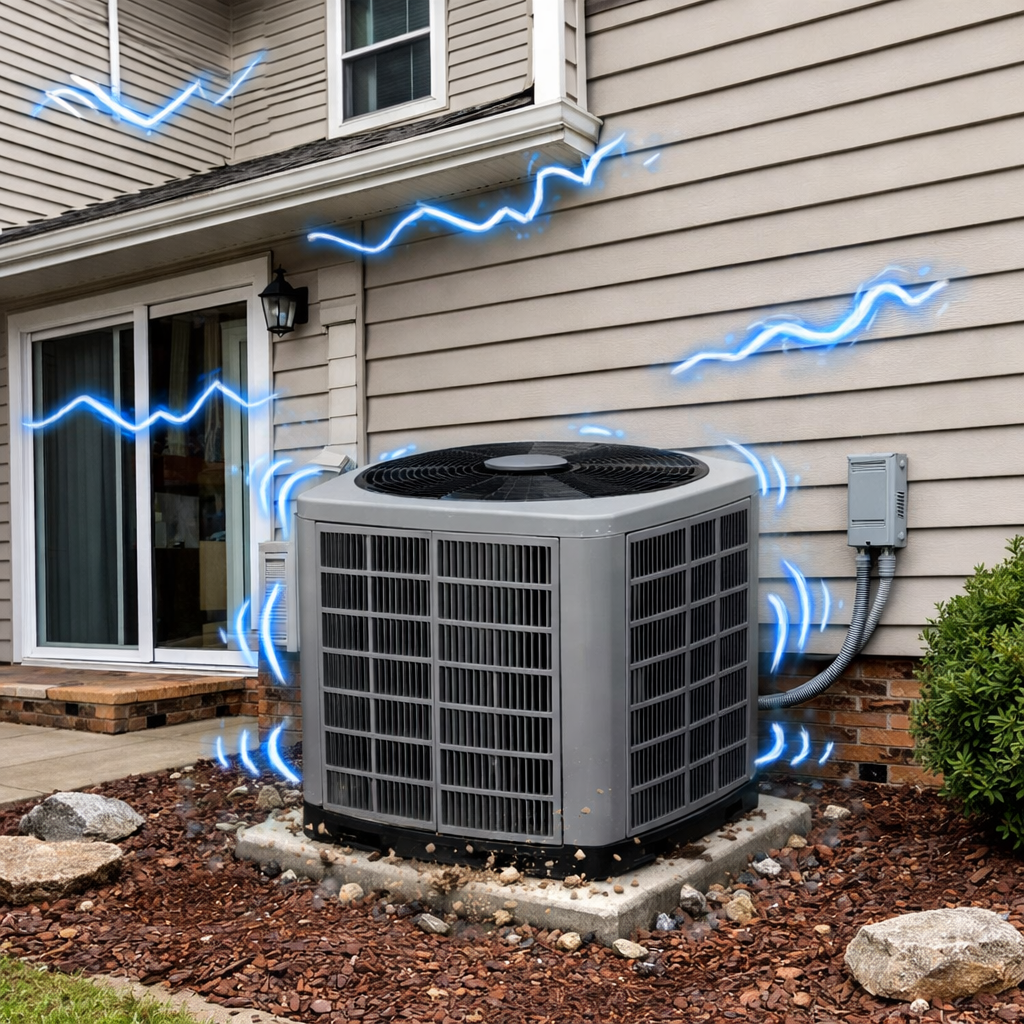
Quick Answer: Heat pumps may vibrate or shake if the outdoor unit becomes unbalanced, mounting bolts loosen, fan blades are damaged, or internal components wear out. Compressors and fan motors rotate around 800–1,100 RPM, and even small imbalances can create noticeable vibration. If the outdoor unit visibly shakes or produces loud rattling sounds, mechanical components may require inspection.
Many homes in Steubenville’s historic neighborhoods and Weirton’s hillside communities install outdoor heat pumps on pads or brackets near the foundation. Ohio River valley weather patterns and seasonal freeze-thaw cycles can cause ground movement that slowly shifts outdoor equipment pads. When units become slightly uneven or mounting hardware loosens, vibration can become noticeable during system operation.
Quick Diagnostic Summary
| Symptom | Likely Cause | What to Check |
|---|---|---|
| Outdoor unit shaking | Loose mounting bolts | Inspect mounting hardware |
| Loud rattling noise | Loose cabinet panels | Tighten exterior panels |
| Vibration when system starts | Compressor startup vibration | Technician inspection |
| Fan wobbling | Damaged fan blade | Fan inspection |
| Unit vibrating against wall | Improper installation clearance | Unit spacing |
| Sudden new vibration | Debris in fan or coil | Outdoor unit inspection |
| Copper pipes vibrating | Loose refrigerant lines | Line support |
| Constant buzzing vibration | Motor or compressor wear | HVAC evaluation |
What Causes a Heat Pump to Vibrate?
Quick Answer: Heat pump vibration usually occurs when rotating components such as the compressor or fan motor become unbalanced or when mounting hardware loosens.
The outdoor unit contains moving components that operate continuously during heating and cooling cycles.
Common vibration causes include:
- Loose mounting bolts
- Unbalanced fan blades
- Compressor vibration
- Loose cabinet panels
- Failing fan motors or electrical components
If these parts shift or wear over time, vibration levels may increase.
Is Some Heat Pump Vibration Normal?
Quick Answer: Yes. Small vibration during operation is normal because compressors and fan motors rotate at high speeds.
Heat pumps contain mechanical components that naturally create mild vibration as refrigerant moves through the system.
However, excessive vibration may include:
- Loud shaking or rattling
- Cabinet movement
- Vibrations felt through nearby walls or pipes
These symptoms may indicate mechanical problems.
Can Refrigerant Lines Cause Heat Pump Vibration?
Quick Answer: Yes. Refrigerant lines can vibrate against the cabinet or nearby surfaces when the compressor operates.
Copper refrigerant lines carry pressurized refrigerant between the indoor and outdoor units. If these lines are not properly secured, vibration can travel through the system.
Common issues include:
- Refrigerant lines touching the cabinet
- Lines contacting framing or siding
- Loose mounting brackets
Securing refrigerant lines can often reduce vibration noise.
Can a Loose Heat Pump Mounting Pad Cause Vibration?
Quick Answer: Yes. If the outdoor unit sits on an uneven or shifting pad, vibration can increase during compressor operation.
Outdoor heat pumps are typically installed on:
- Concrete pads
- Composite equipment pads
- Wall-mounted brackets
Freeze-thaw cycles common in the Ohio River valley can gradually shift soil and slightly tilt equipment pads, which may increase vibration.
Could Fan Problems Cause Heat Pump Shaking?
Quick Answer: Yes. A bent or unbalanced fan blade can cause the outdoor unit to shake while operating.
Fan blades spin rapidly to move air across the condenser coil. If one blade becomes bent or damaged, the fan becomes unbalanced.
Possible signs include:
- Visible fan wobble
- Rattling noise during operation
- Increased cabinet vibration
Fan blade problems should be inspected by a technician.
Can Compressor Issues Cause Heat Pump Vibration?
Quick Answer: Yes. Compressors naturally produce vibration during operation, but worn internal components can increase vibration levels.
The compressor circulates refrigerant through the heat pump system under high pressure.
If internal components wear or loosen, symptoms may include:
- Loud humming or buzzing
- Strong cabinet vibration
- Hard starting during system startup
Compressor-related vibration usually requires professional diagnosis.
How Can Homeowners Prevent Heat Pump Vibration?
Quick Answer: Keeping the outdoor unit level, tightening mounting hardware, and maintaining proper clearance around the system can help prevent vibration problems.
Helpful steps include:
- Maintain 2–3 feet of clearance around the outdoor unit
- Keep the equipment pad level
- Tighten loose exterior panels
- Remove debris around the unit
- Schedule annual HVAC maintenance
Regular maintenance helps identify small vibration issues before they worsen.
Quick Troubleshooting Checklist
Quick Answer: Homeowners can check several simple conditions before scheduling HVAC service if vibration occurs.
Basic checks include:
- Look for debris inside the outdoor unit
- Confirm the unit sits level on its pad
- Inspect visible mounting bolts
- Check that refrigerant lines are not touching surfaces
- Listen for fan wobble or rattling panels
These checks may identify common vibration causes.
When Should You Call an HVAC Technician?
Quick Answer: If vibration becomes loud, persistent, or increases over time, the heat pump should be inspected by a technician.
HVAC technicians in the Steubenville and Weirton area often diagnose vibration problems caused by loose fan blades, unsecured refrigerant lines, or shifting equipment pads after several years of operation.
Professional inspection may include:
- Fan blade inspection
- Compressor vibration analysis
- Mounting hardware adjustment
- System performance testing
Key Takeaways
Quick Answer: Heat pump vibration is usually caused by loose hardware, fan imbalance, or compressor movement.
Common causes include:
- Loose mounting bolts
- Bent fan blades
- Uneven equipment pads
- Refrigerant line vibration
- Compressor wear
Early inspection helps prevent further mechanical damage.
FAQs
Is it normal for a heat pump to vibrate slightly?
Quick Answer: Yes. Small vibration during operation is normal because compressors and fan motors rotate at high speed.
Why does my heat pump vibrate when it starts?
Quick Answer: Startup vibration often occurs when the compressor begins operating and refrigerant pressure changes inside the system.
Can vibration damage my heat pump?
Quick Answer: Yes. Excessive vibration can loosen internal components and shorten the system lifespan if not corrected.
Should I turn off my heat pump if it shakes?
Quick Answer: If vibration becomes loud or unusual, turning the system off and scheduling inspection can help prevent further damage.
Exact HVAC replacement quotes available at (740) 825-9408 or HonestFix.com/schedule-service.
Scott Merritt is a co-founder of Honest Fix Heating, Cooling and Plumbing and brings more than 30 years of experience across HVAC, leadership, and industry education. He serves in a senior leadership and oversight role, providing licensed guidance, reviewing HVAC educational content, and supporting technician training and documentation standards. Prior to co-founding Honest Fix, Scott founded and owned Fire & Ice Heating & Air Conditioning in Columbus, Ohio, which he operated for more than two decades before selling the company in 2025. During that time, he led programs and partnerships including Carrier Factory Authorized Dealer, Trane Comfort Specialist, and Rheem Pro Partner, helping establish high technical and training standards. Scott is the Ohio State HVAC license holder for Honest Fix and provides licensed oversight to help ensure work meets applicable codes and manufacturer requirements. Learn more about Scott’s background and role at Honest Fix by viewing his full leadership bio.