Why Is My Energy Bill Higher Than Expected With a Heat Pump in Steubenville, OH and Weirton, WV?
March 10th, 2026
3 min read
Why Is My Heat Pump Energy Bill So High?
Quick Answer: Higher-than-expected energy bills with a heat pump are often caused by longer heating cycles during cold weather, restricted airflow, dirty coils, or auxiliary electric heat activating. When outdoor temperatures drop below 30°F, heat pumps run longer cycles and may rely on backup electric heat that can use 2–3× more electricity than normal heat pump operation.
Many homes in Steubenville’s historic neighborhoods and Weirton’s hillside communities rely on heat pumps for year-round comfort. Winter temperatures in the Ohio River valley often fall into the 20–30°F range, forcing longer heating cycles. Seasonal humidity, aging insulation in older housing stock, and temperature swings near the river valley can all increase heating demand and affect overall system efficiency.
Quick Diagnostic Summary
| Symptom | Likely Cause | What to Check |
|---|---|---|
| Sudden increase in energy bill | Auxiliary heat running | Check thermostat settings |
| Heat pump running constantly | Cold outdoor temperatures | Often normal during extreme cold |
| Weak airflow | Dirty filter or duct restriction | Replace filter |
| Uneven room temperatures | Airflow imbalance | Inspect vents |
| Frost buildup on outdoor unit | Defrost cycle activity | Usually normal |
| Energy bill slowly increasing | Reduced system efficiency | Schedule inspection |
| Auxiliary heat light on thermostat | Backup heat operating | Check thermostat settings |
Why Do Heat Pumps Use More Electricity During Cold Weather?
Quick Answer: Heat pumps use more electricity during cold weather because they must run longer cycles to extract heat from colder outdoor air.
When temperatures fall below about 30°F, the heat pump’s ability to absorb heat from outdoor air decreases. The system compensates by running longer to maintain indoor temperature.
A properly functioning heat pump can deliver 200–300% heating efficiency, meaning it produces two to three units of heat for every unit of electricity used. However, efficiency decreases as outdoor temperatures drop, which increases electricity usage.
Could Auxiliary Heat Be Increasing My Energy Bill?
Quick Answer: Yes. Auxiliary heat uses electric resistance heating elements that can consume significantly more electricity than normal heat pump operation.
Auxiliary heat may activate when:
- Outdoor temperatures drop significantly
- The thermostat is raised quickly
- The system struggles to maintain temperature
Because electric resistance heat uses 2–3× more electricity, frequent activation can increase energy bills.
Can Thermostat Settings Increase Energy Bills?
Quick Answer: Yes. Large temperature adjustments can trigger auxiliary heat, which increases electricity consumption.
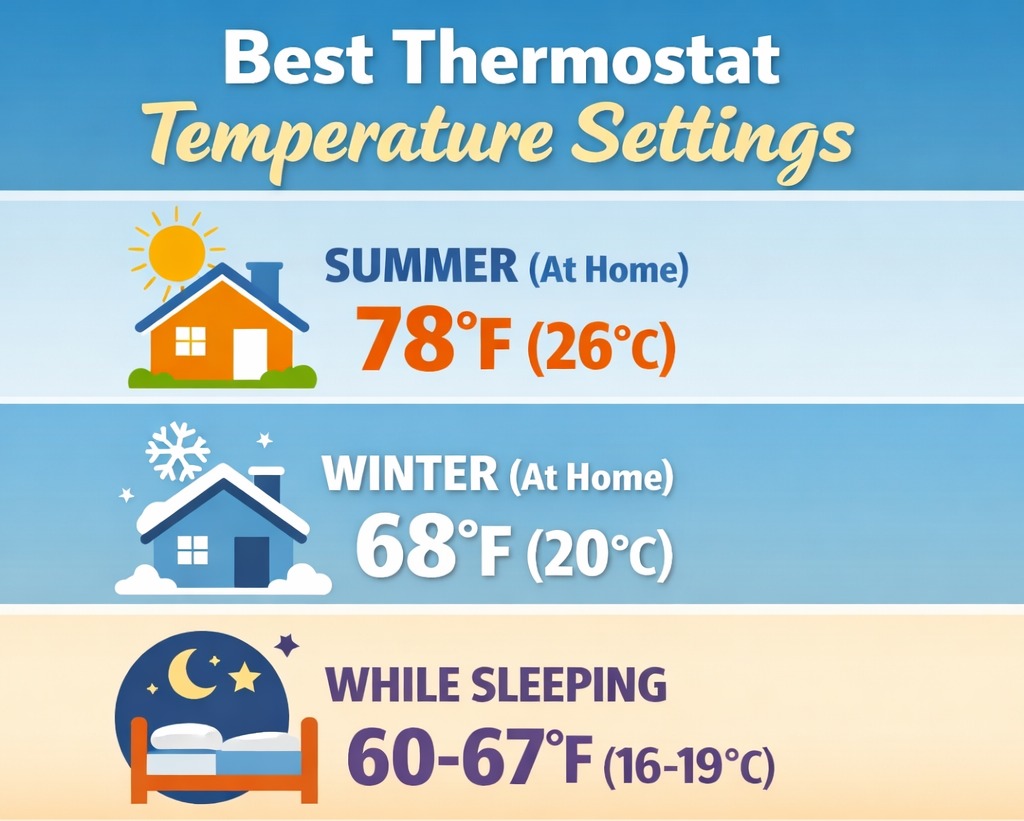
Raising the thermostat 3–5°F quickly may cause the system to activate backup electric heat instead of allowing the heat pump to gradually increase temperature.
Using smaller adjustments helps keep the system operating in efficient heat pump mode.
Can Restricted Airflow Increase Energy Usage?
Quick Answer: Yes. Restricted airflow forces the heat pump to run longer cycles, increasing electricity consumption.
Common airflow restrictions include:
- Dirty air filters
- Blocked supply vents
- Closed return vents
- Dust buildup inside ductwork
Most heat pump systems require about 350–450 cubic feet per minute (CFM) per ton of airflow. When airflow drops below this level, efficiency declines.
Could Dirty Coils Raise My Energy Bill?
Quick Answer: Yes. Dirt buildup on indoor or outdoor coils reduces heat transfer efficiency and forces the system to work harder.
Dirty coils often lead to:
- Longer system run times
- Reduced heating performance
- Increased electricity usage
Cleaning coils restores heat transfer efficiency.
Does the Defrost Cycle Increase Energy Use?
Quick Answer: Yes. During cold, humid weather the heat pump may enter defrost mode every 30–90 minutes, which temporarily increases electricity usage.
The defrost cycle melts frost from the outdoor coil so the system can continue absorbing heat from outdoor air.
Frequent defrost cycles are common during winter conditions in the Ohio River valley.
Could Poor Insulation Affect Heat Pump Efficiency?
Quick Answer: Yes. Homes with poor insulation lose heat more quickly, forcing the heat pump to run longer to maintain indoor temperatures.
Older homes in Steubenville and Weirton may experience:
- Insulation gaps in attics
- Drafty windows and doors
- Heat loss through walls or ceilings
Improving insulation and sealing air leaks can reduce heating demand.
Could an Older Heat Pump Raise Energy Bills?
Quick Answer: Yes. Heat pumps older than 10–15 years often lose efficiency as components wear and refrigerant systems decline.
Older systems may experience:
- Reduced heat transfer efficiency
- Longer heating cycles
- Higher electricity usage
Upgrading older equipment can improve overall energy efficiency.
Quick Troubleshooting Checklist
Quick Answer: Homeowners can check several simple conditions before scheduling HVAC service if energy bills increase unexpectedly.
Basic checks include:
- Replace a dirty air filter
- Confirm thermostat settings
- Inspect vents for obstructions
- Remove debris around the outdoor unit
- Compare energy usage during colder weather
These simple steps can help identify common efficiency problems.
When Should You Call an HVAC Technician?
Quick Answer: If energy bills remain unusually high or the heat pump runs constantly without maintaining temperature, the system should be inspected by an HVAC technician.
HVAC technicians in the Steubenville and Weirton area frequently find higher winter energy bills caused by clogged filters or auxiliary heat running continuously during cold weather.
Professional service may include:
- System efficiency testing
- Refrigerant inspection
- Airflow measurement
- Electrical system evaluation
Key Takeaways
Quick Answer: Higher energy bills with a heat pump are often caused by colder weather, airflow restrictions, or system efficiency problems.
Common causes include:
- Auxiliary heat activating frequently
- Dirty air filters or restricted airflow
- Dirty coils reducing efficiency
- Poor home insulation
- Older HVAC equipment losing efficiency
Maintaining airflow and system efficiency helps control heating costs.
FAQs
Is it normal for heat pumps to cost more to run in winter?
Quick Answer: Yes. Heat pumps may run longer cycles during cold weather and may use auxiliary electric heat when outdoor temperatures drop significantly.
Why does my heat pump run all the time during winter?
Quick Answer: Heat pumps often run longer heating cycles during cold weather because extracting heat from colder outdoor air requires more operating time.
Can thermostat settings affect my energy bill?
Quick Answer: Yes. Large thermostat adjustments can trigger auxiliary heat, which uses more electricity than normal heat pump operation.
How can I reduce my heat pump energy costs?
Quick Answer: Replacing filters regularly, maintaining airflow, sealing insulation gaps, and scheduling HVAC maintenance can help improve efficiency.
Exact HVAC replacement quotes available at (740) 825-9408 or HonestFix.com/schedule-service.
Scott Merritt is a co-founder of Honest Fix Heating, Cooling and Plumbing and brings more than 30 years of experience across HVAC, leadership, and industry education. He serves in a senior leadership and oversight role, providing licensed guidance, reviewing HVAC educational content, and supporting technician training and documentation standards. Prior to co-founding Honest Fix, Scott founded and owned Fire & Ice Heating & Air Conditioning in Columbus, Ohio, which he operated for more than two decades before selling the company in 2025. During that time, he led programs and partnerships including Carrier Factory Authorized Dealer, Trane Comfort Specialist, and Rheem Pro Partner, helping establish high technical and training standards. Scott is the Ohio State HVAC license holder for Honest Fix and provides licensed oversight to help ensure work meets applicable codes and manufacturer requirements. Learn more about Scott’s background and role at Honest Fix by viewing his full leadership bio.