How to Know If Your HVAC Was Misdiagnosed
June 15th, 2026
5 min read
Quick Answer
Your HVAC system was likely misdiagnosed if the same problem keeps coming back, multiple parts have been replaced without lasting results, or the cause of the issue was never clearly explained. In most cases, repeat breakdowns are not new problems—they result from an earlier incomplete or incorrect diagnosis.
In Steubenville, Weirton, and across the Upper Ohio Valley, many homes have older systems, basement installations, and airflow limitations. These conditions make HVAC issues more complex and easier to misdiagnose, which is why identifying the root cause correctly determines whether the problem is actually solved.
An HVAC misdiagnosis happens when the system is repaired based on a symptom instead of the underlying cause.
Every HVAC repair either solves the problem or delays it.
A misdiagnosis doesn’t just delay the fix—it increases the total cost by turning one repair into multiple bills.
What does it mean for an HVAC system to be misdiagnosed?
Quick Answer: A misdiagnosis means the repair addressed a symptom instead of the root cause.
This usually happens when:
- Only the failed part is replaced
- The system is not fully tested
- Contributing issues are not identified
A correct diagnosis explains:
- What failed
- Why it failed
- What must be fixed to prevent it from happening again
HVAC systems fail as systems—not just as individual parts.
What are the most common signs of a misdiagnosis?
Quick Answer: The most common sign is the same issue returning after a repair.
Other clear signs include:
- Multiple service calls for the same problem
- Different parts replaced each visit
- System works briefly, then fails again
- No clear explanation of the root cause
Many homeowners don’t realize they’ve been misdiagnosed until the same problem comes back—often during the hottest or coldest days of the year.
Most repeat HVAC problems are not new—they were never fully solved.
Why do HVAC misdiagnoses happen?
Quick Answer: Misdiagnoses usually happen when the system is not fully evaluated or when time is limited.
Common causes:
- Limited diagnostic time
- Focus on the most obvious issue
- Pressure to restore heating or cooling quickly
- Complex systems with multiple contributing problems
In this area, a large share of repeat service calls are tied to earlier incomplete diagnoses, not new failures.
When the diagnosis is incomplete, the risk of repeat failure stays with the homeowner.
Speed vs accuracy in HVAC diagnosis
Quick Answer: Faster diagnosis often means less complete diagnosis.
- Quick diagnosis focuses on restoring operation
- Complete diagnosis focuses on system-wide performance
Emergency situations often prioritize speed, which is understandable—but can lead to temporary fixes instead of long-term solutions.
The most reliable approach is accuracy first, then repair.
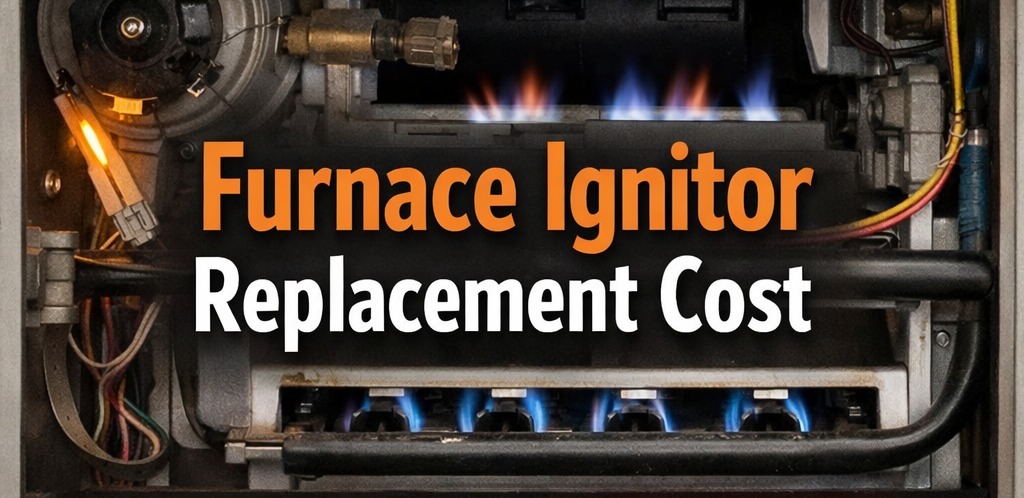
Real example: repeat furnace shutdown
Quick Answer: Replacing the same or similar parts repeatedly is a strong sign of misdiagnosis.
What happened:
- Furnace shuts down intermittently
- Limit switch replaced
- System works temporarily
What was missed:
- Restricted airflow causing overheating
Result:
- System shuts down again
- Additional parts replaced
- Problem continues
Key Point: The part reacted to the problem—the airflow issue caused it.
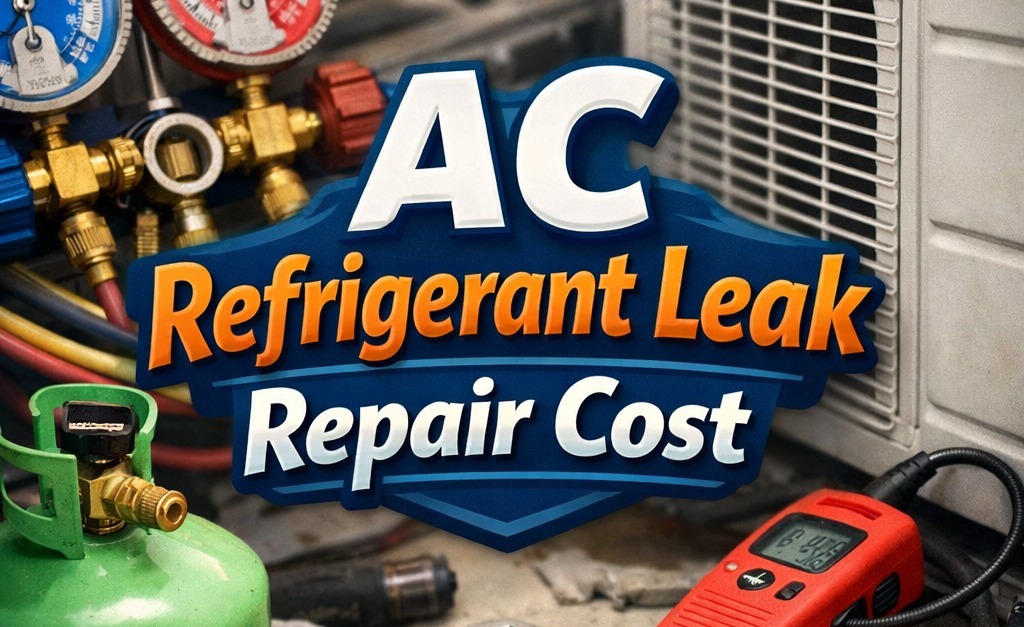
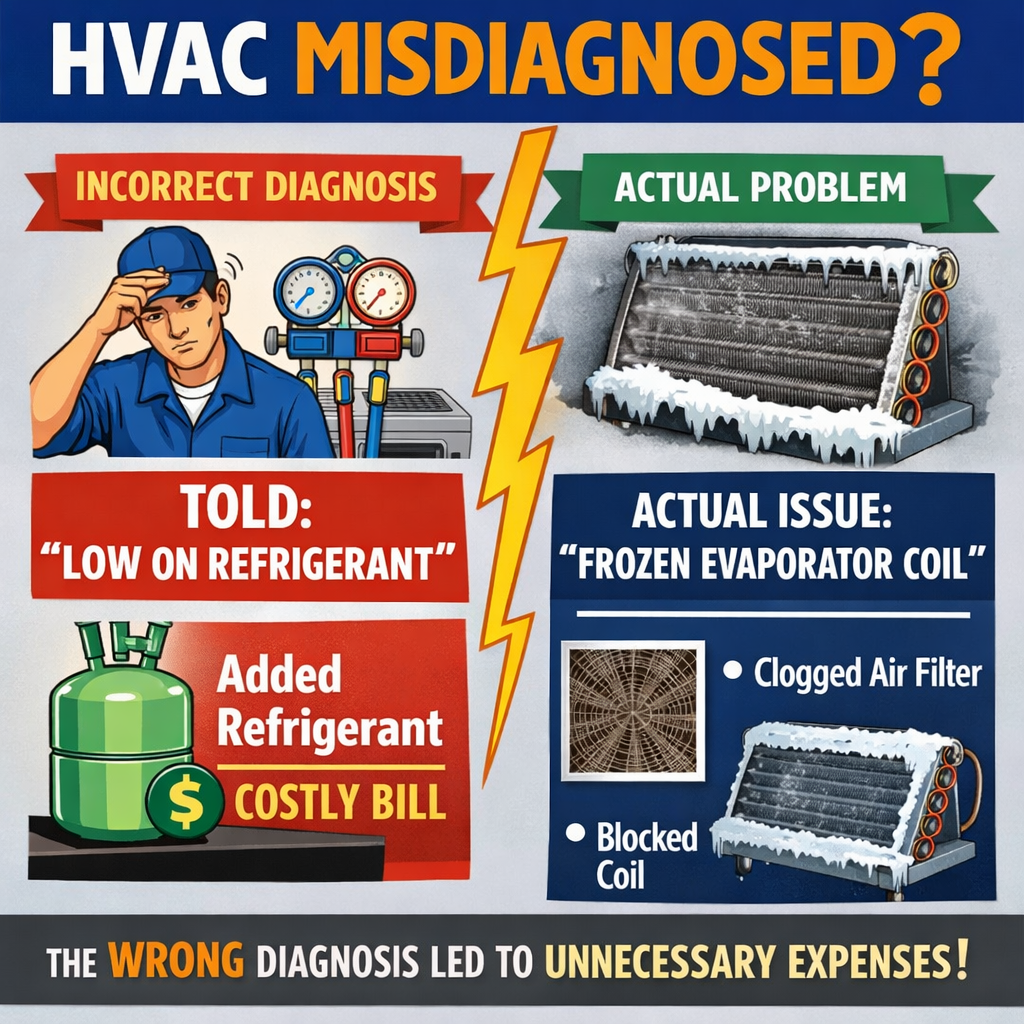
Real example: AC not cooling after multiple repairs
Quick Answer: Repeated AC issues usually indicate a missed root cause.
What happened:
- Refrigerant added
- System cools briefly
- Cooling drops again
What was missed:
- Leak in the system
Result:
- Multiple recharges
- Increased system strain
- Higher total repair cost
According to the EPA, refrigerant loss indicates a leak that should be repaired—not just refilled. https://www.epa.gov/section608
Key Point: Recharging without fixing the leak delays the problem—it doesn’t solve it.
What most misdiagnosed systems have in common
Quick Answer: Misdiagnosed systems usually have multiple contributing issues that were not fully identified.
Common patterns:
- Airflow problems combined with component failure
- Electrical strain caused by underlying mechanical issues
- Aging systems with multiple wear points
In the Upper Ohio Valley, many systems we evaluate have already had one or more incomplete repairs before the root cause is identified.
The most reliable approach is identifying the full system issue—not just the failed part.
How misdiagnosis increases cost over time
Quick Answer: Costs increase with each repeat visit and unresolved issue.
- Visit 1: Temporary fix
- Visit 2: Same issue returns
- Visit 3: Larger failure
Over a 5–15 year period, repeated incorrect repairs often cost significantly more than a single correct repair.
Fixing the issue early is usually the lowest total cost option.
Why pricing model affects diagnosis quality
Quick Answer: Pricing structure can influence how much time is spent diagnosing the system.
With hourly pricing:
- Time pressure can lead to quicker decisions
- Diagnosis may focus on the most obvious issue
With flat-rate pricing:
- Focus is on solving the issue completely
- No pressure tied to time spent diagnosing
- The repair is based on the solution, not the clock
You are paying for accuracy—not time.
What an incomplete diagnosis often sounds like
Quick Answer: Incomplete diagnoses usually lack clear cause-and-effect explanations.
Common phrases:
- “Let’s try this and see”
- “This is the most common issue”
- “That should fix it for now”
A correct diagnosis should sound different:
- Clear explanation of cause
- Explanation of contributing factors
- Confidence in preventing repeat failure
What a correct diagnosis should include
Quick Answer: A proper diagnosis identifies the root cause and confirms the system will operate correctly after repair.
It should include:
- Cause of failure
- Contributing system issues
- Clear repair solution
- Verification of proper operation
The goal is not just to fix the issue—it’s to prevent it from returning.
How confident should a diagnosis feel?
Quick Answer: A correct diagnosis should feel clear, complete, and specific—not uncertain.
You should not hear:
- Guessing language
- Multiple conflicting explanations
- Unclear reasoning
You should understand exactly what failed and why.
How to confirm if your system was misdiagnosed
Quick Answer: You can confirm a misdiagnosis by asking for a clear explanation of the root cause and verifying full system testing.
Ask:
- What caused the part to fail?
- Is anything else contributing to this issue?
- Has the entire system been tested?
- Will this repair prevent it from happening again?
If these questions cannot be answered clearly, the diagnosis may be incomplete.
When should you get a second opinion?
Quick Answer: You should consider a second opinion if the problem keeps returning or the explanation is unclear.
Situations where it makes sense:
- Multiple repairs with no lasting result
- Large repair recommended without clear cause
- System behavior doesn’t match explanation
Getting a second diagnosis is not a challenge to the first technician—it’s a way to confirm the full problem has been identified.
How our approach prevents misdiagnosis
Quick Answer: Our approach focuses on identifying the root cause before recommending any repair.
What that means:
- $64–$74 diagnostic with Leo the Lion
- Full system evaluation before repair
- Flat-rate pricing (no time-based pressure)
- Repair designed to solve the issue once
Leo the Lion is our company mascot and AI chatbot. Every first-time customer receives a Leo refrigerator magnet and can use it immediately for $25 off. As long as it stays on your fridge, you continue receiving $25 off future diagnostics and tune-ups with no expiration. Leo also helps answer HVAC and water heater questions using our 1,500+ page knowledge base.
You will always know the cost before work begins and understand your options before approving any repair.
Are misdiagnoses common?
Quick Answer: Yes, especially in older or more complex systems.
In this area, many systems we evaluate have already had one or more incomplete repairs before the root cause is identified.
This is usually not due to lack of effort—it’s due to incomplete system evaluation.
The difference is not effort—it’s whether the full system is diagnosed.
Quick Decision Guide
- Same issue keeps returning: Likely misdiagnosed
- Multiple parts replaced: Root cause may be missing
- No clear explanation: Diagnosis may be incomplete
- Want to stop repeat costs: Get a full system evaluation
FAQs
How do I know if my HVAC problem was misdiagnosed?
If the same issue returns or multiple repairs don’t fix it, the original diagnosis was likely incomplete.
Should I trust the first diagnosis I receive?
Not always. If the explanation is unclear or the problem continues, a second opinion is a smart step.
Why would a technician misdiagnose a system?
It usually happens due to time constraints, incomplete testing, or complex system conditions—not lack of effort.
What is the best way to avoid misdiagnosis?
Choose a company that performs full system testing and explains the root cause before making repairs.
If the problem keeps coming back, it’s almost always a diagnosis issue—not a parts issue.
No one wants to deal with the same HVAC problem twice—especially during the hottest or coldest days of the year.
For most homeowners, the fastest way to stop repeat repairs is identifying the real problem—and fixing it once.
Exact HVAC replacement quotes available at (740) 825-9408 or HonestFix.com/schedule-service.
Scott Merritt is a co-founder of Honest Fix Heating, Cooling and Plumbing and brings more than 30 years of experience across HVAC, leadership, and industry education. He serves in a senior leadership and oversight role, providing licensed guidance, reviewing HVAC educational content, and supporting technician training and documentation standards. Prior to co-founding Honest Fix, Scott founded and owned Fire & Ice Heating & Air Conditioning in Columbus, Ohio, which he operated for more than two decades before selling the company in 2025. During that time, he led programs and partnerships including Carrier Factory Authorized Dealer, Trane Comfort Specialist, and Rheem Pro Partner, helping establish high technical and training standards. Scott is the Ohio State HVAC license holder for Honest Fix and provides licensed oversight to help ensure work meets applicable codes and manufacturer requirements. Learn more about Scott’s background and role at Honest Fix by viewing his full leadership bio.